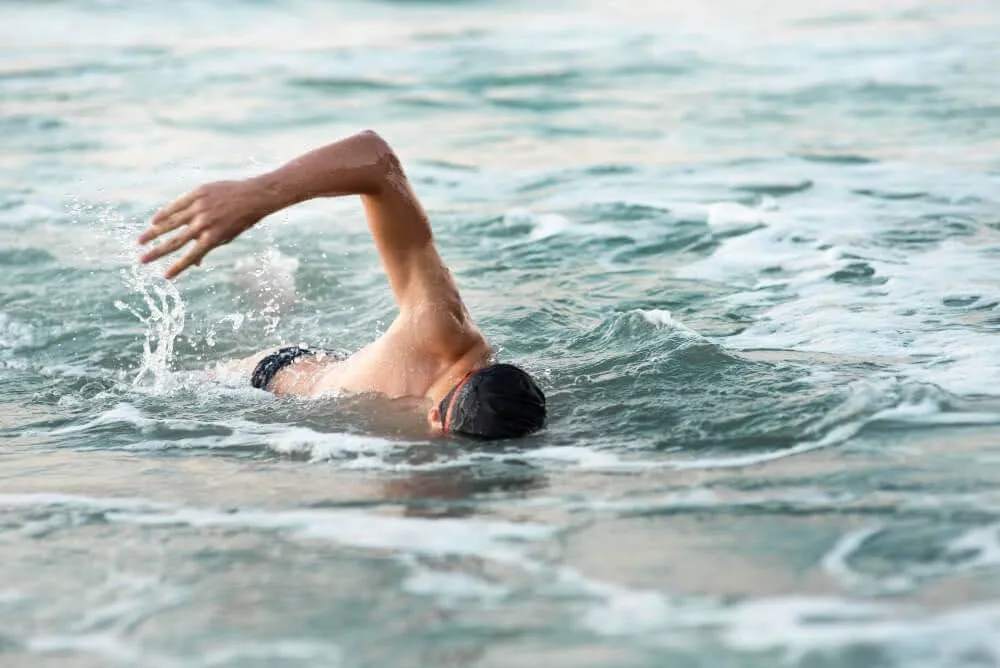
Water is part of everyday life in Singapore, most condominiums have a pool downstairs, ActiveSG pools are minutes from home, and the coastline, reservoirs and beaches are popular on weekends. That easy access is wonderful, but it also means swimming safety is something every family needs to take seriously, not just competitive swimmers. At JustSwim, our coaches travel to pools across the island every day, and the habits below are the ones we see keep children and adults safe in the water.
The reassuring news is that most incidents are preventable with a few calm, consistent rules. This guide walks through the core water safety tips for everyone, how to supervise young children properly, the specific risks of condo pools versus public pools and open water, why armbands are not safety devices, and what to do if something goes wrong. None of it requires being an expert, just awareness and a bit of discipline every time you go near the water.
Quick answer: The core swimming safety rules are simple: never swim alone, supervise young children within arm’s reach with no distractions, treat armbands as toys rather than safety devices, and always know your depth. The best long-term safeguard is learning to swim well.
Core swimming safety rules for everyone
Good swimming safety starts with a handful of habits that apply to every swimmer, at every pool, of every age. Drowning is fast and silent, it rarely looks like the dramatic splashing shown on television, and a person in trouble often slips under quietly within seconds. That is exactly why prevention matters more than reaction.
Build these basics into your routine so they become second nature rather than something you remember only after a scare.
- Never swim alone, always have a buddy or a responsible adult present, even for strong swimmers.
- Know the water before you enter: check the depth, look for depth-change markings, and never dive into water of unknown depth.
- Enter feet-first the first time, and ease in gradually rather than jumping straight in.
- Stay within your ability, don’t venture into deep water or currents you can’t confidently handle.
- Wait after eating heavy meals and never swim after drinking alcohol.
- Get out at the first sign of tiredness, cramp, cold or lightning, Singapore’s sudden thunderstorms are a real hazard.
- Learn to recognise the quiet signs of distress: a head low in the water, mouth at water level, or someone climbing an invisible ladder.
Supervising young children: the golden rule
For children under five, the single most important water safety rule is constant, close, undistracted supervision. Young children can lose their footing and go under in the time it takes to read a text message, and it happens without noise. That is why coaches and lifeguards worldwide talk about ‘touch supervision’: staying within arm’s reach so you can react instantly.
The most common failure is not absence, but distraction. Being poolside while scrolling your phone, chatting, or minding a barbecue is not supervision. If several adults are present, it is dangerously easy to assume someone else is watching, so make it explicit.
- Keep under-5s within arm’s reach at all times, close enough to touch, in and around the water.
- Designate a dedicated ‘water watcher’ whose only job is to watch the children, with no phone and no side tasks.
- Rotate the watcher role every 15 to 20 minutes so attention stays sharp, and hand it over verbally.
- Watch children even in shallow water and paddling pools, young children can drown in very little water.
- Never rely on older siblings or other guests to supervise on your behalf.
Condo pool safety: convenient but often unsupervised
Condominium pools are where most Singapore families swim, and they carry risks that public pools do not. The biggest difference is that condo pools usually have no lifeguard on duty, the only safety net is the adults present. If no one is actively watching, there is no backup.
Condo pools also tend to have sudden depth changes, a separate deep end or lap pool right beside a wading pool, and self-closing gates that residents prop open or that children learn to open. Treat the environment as your responsibility, not the management’s.
- Assume there is no lifeguard, supervision is entirely on you.
- Check that pool gates and fences self-close and latch; never prop them open, and report faulty gates to management.
- Point out where the depth changes and mark the boundary your child must not cross.
- Keep non-swimmers and toddlers away from the deep end and any adjacent lap pool.
- Be aware of drains and suction outlets, and keep long hair and loose costumes clear of them.
- Never let children swim at the condo pool unattended, however familiar it feels.
Public pools versus open water: beaches and reservoirs
ActiveSG and public pools are among the safest places to swim in Singapore: they are lifeguarded, clearly zoned by depth, and the water is calm and clear. Even so, follow posted rules, keep to the depth zone that matches your ability, and never treat lifeguards as a substitute for watching your own children.
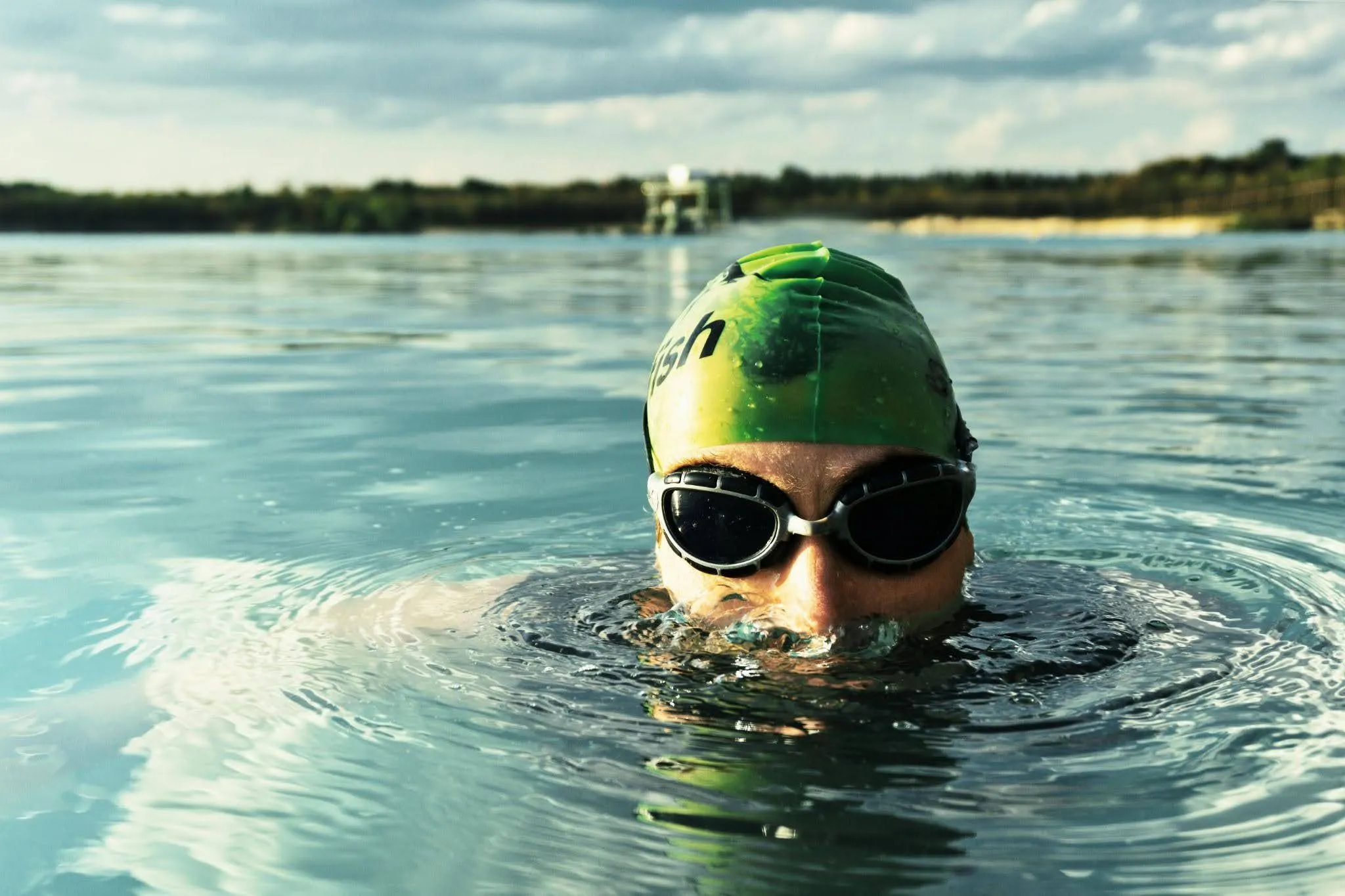
Open water, East Coast, Sentosa, and reservoirs such as MacRitchie or Bedok, is a different environment entirely. There are currents, sudden drop-offs, murky water that hides both the bottom and a swimmer in trouble, boat traffic and jellyfish. Many reservoirs prohibit swimming altogether and are meant only for licensed kayaking or other permitted activities, so always check the signage.
- At beaches, swim only in designated areas and, where present, between the flags.
- Respect ‘no swimming’ signs at reservoirs, they exist for real reasons, including currents and boat traffic.
- Never assume open water is as shallow or as calm as it looks; conditions change with tide and weather.
- Keep children far closer than you would at a pool, visibility and footing are both poorer.
- Get out well before you tire; swimming back against a current is far harder than swimming out.
Floats and armbands: why they give false confidence
Inflatable armbands, rings, and floats are toys, not safety devices. They are designed for play, can slip off or deflate without warning, and, most dangerously, they teach a child to feel safe in water where they cannot actually support themselves. A child who relies on armbands has learned an upright, feet-down position that works against them the moment the float is gone.
Floats also lull adults into relaxing their supervision, which is the opposite of what should happen. If you use them, treat them as no reduction in watchfulness at all. The only equipment that genuinely reduces drowning risk is a properly fitted, certified life jacket, and even that is not a substitute for supervision.
- Never treat armbands, rings or pool noodles as safety equipment, they are toys.
- Keep the same arm’s-reach supervision whether or not a child is wearing a float.
- For open water or boats, use a correctly sized, certified life jacket, not inflatable toys.
- Remember that real water competency comes from skill, not from equipment.
What to do in a water emergency
If you see someone in trouble, the guiding principle is ‘reach or throw, don’t go.’ Untrained rescuers who jump in are frequently pulled under by a panicking swimmer, turning one casualty into two. Stay calm, stay on land or at the poolside, and use whatever you can to extend your reach.
Shout for help immediately and get others to call for emergency services. In Singapore, call 995 for the ambulance. Once the person is out of the water and unresponsive, CPR can be life-saving in the critical minutes before help arrives, which is why learning basic first aid and CPR is well worth it for any parent or regular swimmer.
- Reach out with an arm, pole, towel, noodle or any long object from a stable position.
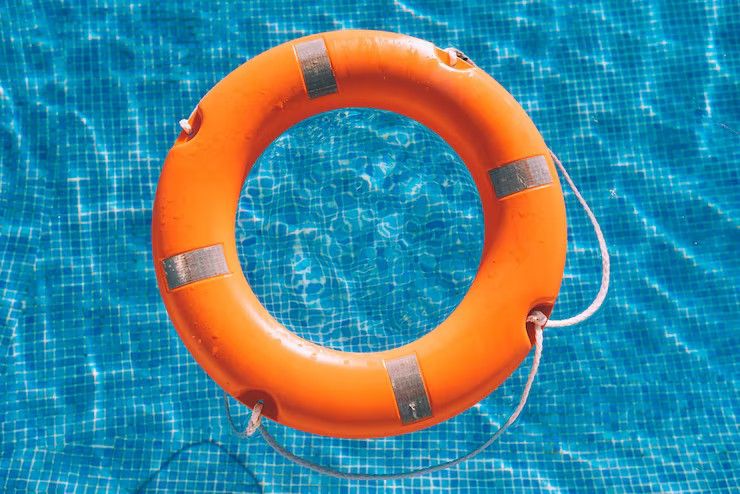
- Throw a float, life ring, ball or anything buoyant the person can grab.
- Don’t go in yourself unless you are trained in water rescue, call for trained help instead.
- Shout for a lifeguard where there is one, and call 995 for an ambulance.
- Learn CPR and basic first aid so you can act in the minutes that matter most.
The best long-term safeguard is learning to swim well, so it is worth reading how long it takes to learn swimming and how to teach swimming to your child.
Ready to Make Your Family Water-Safe?
Genuine water competency is the best protection there is. Our kids swimming lessons come to your own condo or nearby pool and build safe, confident swimmers at a pace that suits each child. Contact us today to get started.
More from the blog
- Swim schools we admire around the world
 SFA Certification in Singapore: What It Covers, How Long It Lasts, and How to Renew
 Occupational First Aid Course Singapore: OFAC and Other Types
 Singapore Life Saving Society (SLSS): Every Certification Explained
 SWOLF Swimming: What It Is, Average Scores & 5 Tips To Improve
Frequently asked questions
At what age is it safe to leave my child unsupervised in the pool?
There is no fixed age, supervision should be based on genuine swimming competency, not birthdays. Children under five need constant arm’s-reach supervision, and even confident older children should never swim alone. Judge by whether your child can comfortably enter, float, breathe and get themselves to safety, and always keep a responsible adult present.
Are armbands or floats enough to keep my child safe?
No. Armbands, rings and floats are toys, not safety devices, they can slip off or deflate and they give both children and adults a false sense of security. They are never a substitute for supervision. The only equipment that reduces risk is a certified, properly fitted life jacket, and even then an adult must be watching closely.
Is it safe to swim at Singapore’s reservoirs?
Most reservoirs prohibit swimming and are reserved for permitted activities like licensed kayaking, because of currents, sudden drop-offs, murky water and boat traffic. Always check and respect the signage. Stick to lifeguarded pools or designated swimming areas at beaches for recreational swimming.
My condo pool has no lifeguard, what should I do?
Treat supervision as entirely your responsibility. Keep young children within arm’s reach, designate a phone-free water watcher, note where the depth changes, and make sure pool gates self-close and latch. Never let children swim at the condo pool unattended, no matter how familiar it feels.
What is the best long-term way to keep my family safe in the water?
Learning to swim. Genuine water competency, being able to enter, float, breathe, turn and get to safety, is the single most effective, lifelong safeguard against drowning. Lessons build calm, capable swimmers, but even strong swimmers should keep following the everyday safety rules above.