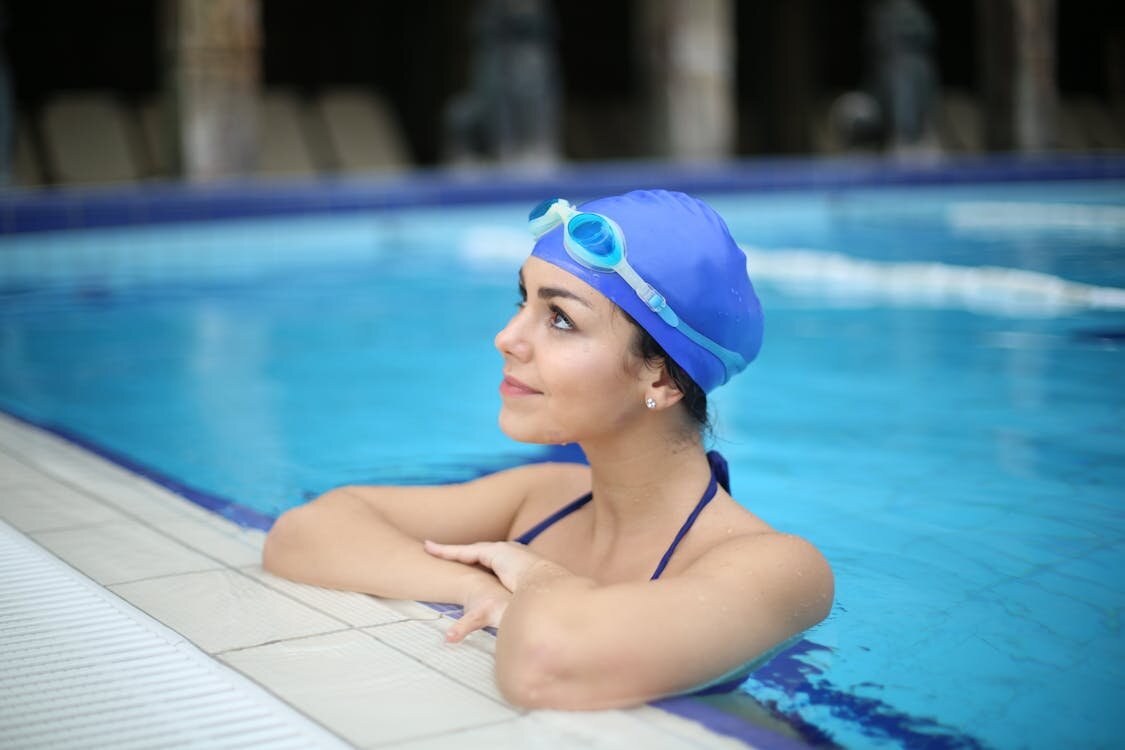
Stepping into a swimming pool for the first time is similar to learning how to ride a bicycle. The environment feels completely unfamiliar. The lack of solid ground can quickly make anyone feel off balance.
Many people avoid swimming simply because they feel anxious when their feet leave the pool floor. This natural hesitation often leads to missed opportunities for fitness and fun. It can also make holidays by the beach feel stressful rather than relaxing.
Building water confidence is the most reliable way to overcome these nerves. It transforms a frightening experience into an enjoyable activity. Developing this mindset involves a steady process of getting comfortable with buoyancy and breathing.
The following sections will provide a clear path to feeling secure in the pool. Readers will discover 15 easy steps to build their skills from scratch. The guide also covers fun activities and practical advice for overcoming common fears.
Your 15-Step Guide For Building Water Confidence
1. Start In The Shallow End
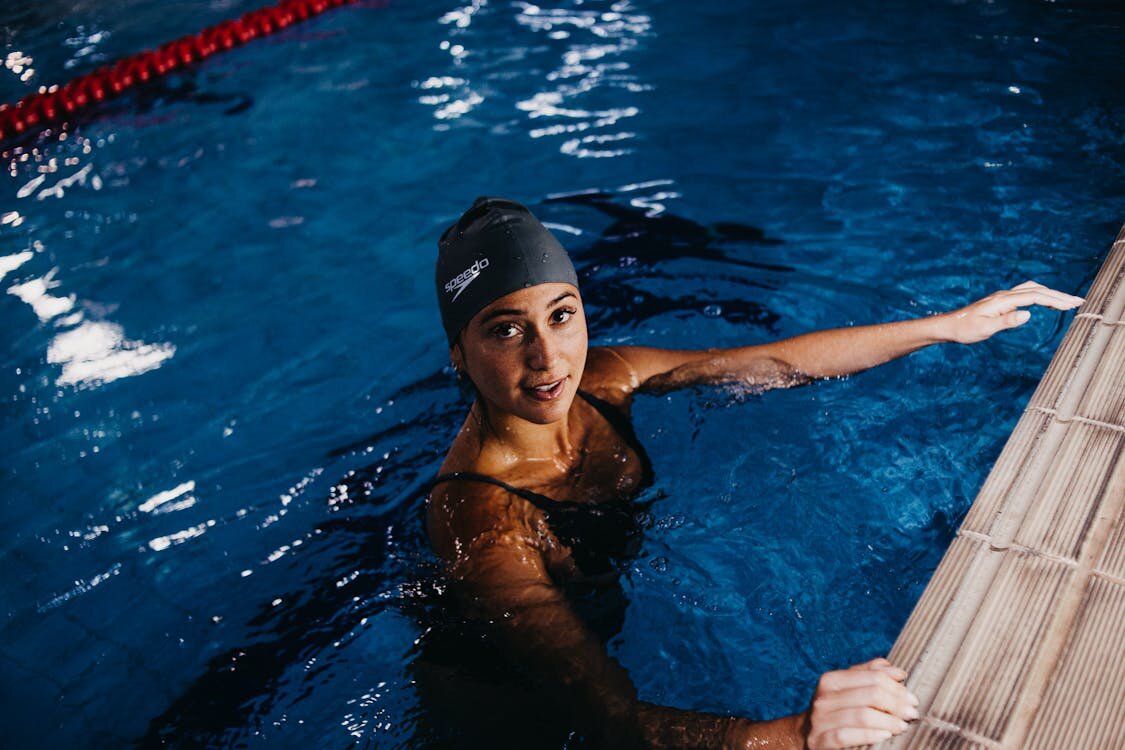
A beginner should start in the shallow end to ensure their feet remain firmly on the pool floor at all times. This provides a sense of security while getting used to the temperature and water resistance. You can easily stand up if you ever feel unbalanced.
2. Splash Water On Your Face Gently
You can splash water on your face gently to reduce the shock of sudden submersion. Cupping water in your hands and washing your face mimics a familiar daily routine. This simple action prepares the skin and senses for going underwater.
3. Walk Along The Pool Edge
A swimmer walks along the pool edge to experience water resistance while maintaining a secure grip. Holding the wall provides immediate physical support. You can gradually increase your pace to feel how water moves against your body.
4. Practise Blowing Bubbles
A learner practises blowing bubbles to teach proper exhalation and prevent water from entering the nose. You simply take a breath, lower your mouth into the water, and exhale steadily. This forms the foundation for all aquatic breathing techniques.
5. Put Your Ears In The Water
A swimmer puts their ears in the water to introduce the muffled sounds of the aquatic environment. You tilt your head back slowly until the water covers your ears. Experiencing this sensation early on prevents panic when swimming on your back later.
6. Submerge Your Face Gradually
You submerge your face gradually to desensitise the natural reflex to hold your breath and tense up. You can start by dipping just your chin, followed by your nose, and eventually your whole face. Taking small steps makes full submersion much less intimidating.
7. Open Your Eyes Underwater
Swimmers open their eyes underwater to prove they can still see and orient themselves beneath the surface. Using a good pair of goggles makes this process comfortable and sting-free. Clear vision greatly reduces anxiety and builds trust in the environment.
8. Practise Rhythmic Bobbing
You practise rhythmic bobbing to combine breath control with vertical movement. You sink down to blow bubbles and then stand up to inhale fresh air. Repeating this motion creates a relaxing rhythm that improves overall breath management.
9. Use Buoyancy Aids For Support
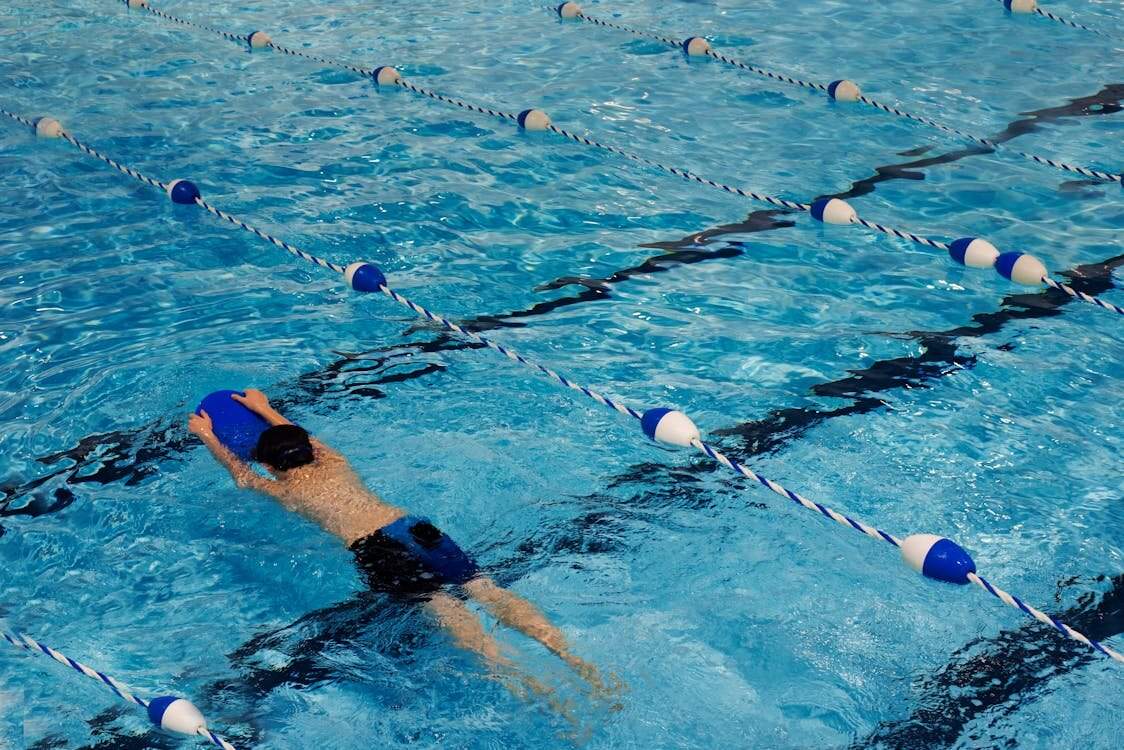
Beginners use buoyancy aids for support to provide artificial lift while focusing on body positioning. Tools like kickboards or noodles take the physical effort out of staying afloat. These aids let you practise leg movements without the fear of sinking.
10. Try Relaxed Floating Techniques
You try relaxed floating techniques to teach the body how to rest naturally on the water’s surface. You can lean back softly with your chest pushed up and arms spread wide. Relaxing your muscles acts as the primary requirement for achieving natural buoyancy.
11. Practise Standing Up From A Float
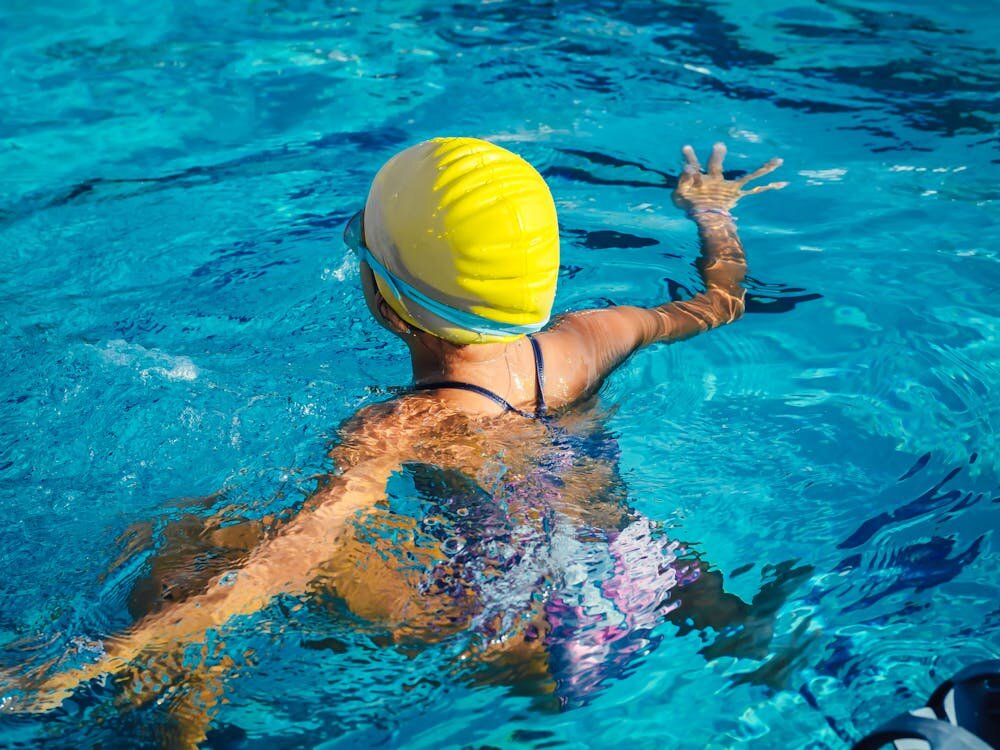
A swimmer practises standing up from a float to guarantee they always regain their footing. You pull your knees toward your chest and push your feet down to the floor. Mastering this recovery movement eliminates the fear of getting stuck in a horizontal position.
12. Practise Gentle Kicking At The Wall
You practise gentle kicking at the wall to isolate leg movements while the upper body remains anchored. You hold the pool edge securely and flutter your legs near the surface. This develops muscle memory for propulsion without the stress of moving forward.
13. Try The Superman Glide
A beginner tries the superman glide to introduce horizontal forward movement without continuous kicking. You push off the wall gently with your arms extended forward and face in the water. Gliding demonstrates how easily the water supports a streamlined body.
14. Practise Safe Entry And Exit Techniques
You practise safe entry and exit techniques to ensure a slip-free transition into the pool. You should use the stairs or ladders and maintain three points of contact. Having a reliable way to exit provides peace of mind throughout the session.
15. Move Around The Pool Freely
A confident swimmer moves around the pool freely to transition from stationary exercises to independent exploration. You can combine walking, gliding, and bobbing away from the wall. This freedom confirms that you have successfully developed basic aquatic skills.
What Is Water Confidence?
Water confidence is the physical and psychological ability to feel relaxed, safe, and in control while in an aquatic environment. This state of mind completely removes panic from the swimming experience. Two main components make up this core aquatic skill.
Physical Relaxation In The Water
Physical relaxation in the water means trusting your body to float naturally without tensing your muscles. A confident swimmer moves smoothly without fighting the water. They recognise their limits and act calmly to recover their balance.
Psychological Trust And Control
Psychological trust and control involve believing in your ability to manage your breathing comfortably. You remain calm even when water splashes over your face or you briefly lose your footing. This mental fortitude stops the instinct to panic.
Fun Water Confidence Activities For All Ages
Fun water confidence activities for all ages provide engaging ways to overcome aquatic fears through play. Playful exercises encourage natural movement and steady breath control. These structured games work perfectly for young learners and adults alike.
The Treasure Hunt Game
The treasure hunt game encourages swimmers to look underwater and reach for submerged objects. You scatter weighted dive toys or bright rings across the shallow pool floor. Participants then search for the items and retrieve them safely.
The Starfish Float
The starfish float promotes total body relaxation and balance. Swimmers stretch their arms and legs out wide while resting on their backs or stomachs. This simple shape maximises surface area and makes floating incredibly easy.
Ring Around The Rosie
Ring around the rosie builds group trust and introduces coordinated submersion. Swimmers hold hands in a circle, walk around, and blow bubbles together when the song ends. The shared experience makes going underwater feel much more approachable.
Why Eliminating Sensory Overload Helps Beginners
Eliminating sensory overload helps beginners process their movements clearly without distracting environmental irritants. The pool environment presents harsh chemicals, bright lights, and loud echoes. Reducing these distractions creates a calm and productive learning space.
Managing Bright Lights And Sounds
Managing bright lights and sounds requires the right equipment to shield your senses from the chaotic pool environment. You can wear earplugs to block out loud splashing and echoes. This simple addition makes the environment feel much less chaotic.
Preventing Water In The Eyes And Nose
Preventing water in the eyes and nose stops the most common triggers for sudden panic. Using a good pair of goggles protects against stinging chlorine. A nose clip also stops water from rushing up the sinuses during submersion.
Overcoming The Fear Of Water
A swimmer overcomes the fear of water by acknowledging their anxiety and gradually reshaping negative associations. Many individuals experience a fast heart rate and shallow breathing near the pool. You must address these physical reactions to move forward safely.
Identifying Your Anxiety Triggers
Identifying your anxiety triggers allows you to pinpoint the exact situations that cause panic. Some people fear the depth, while others worry about losing control of their breath. Finding the root cause helps you select the right coping strategies.
Taking Small Steps Forward
Taking small steps forward prevents the nervous system from becoming overwhelmed. Rushing into deep water often reinforces previous fears and sets progress back. Consistent victories build a solid foundation of trust over time.
Transitioning From The Pool To Open Water
Transitioning from the pool to open water demands a careful adjustment to natural, uncontrolled aquatic environments. You must apply the same gradual approach used in the swimming pool. Two main factors ensure a safe shift to the sea or a lake.
Adjusting To Unpredictable Elements
Adjusting to unpredictable elements involves accepting that open water rarely stays perfectly calm. Waves and currents push against the body differently than flat pool water. Practising in shallow shorelines first builds tolerance to these natural movements.
Using Open Water Safety Gear
Using open water safety gear ensures maximum visibility and support in natural settings. Swimmers should always wear a brightly coloured swim cap and attach a safety buoy to their waist. These items alert boats to your presence and provide a floating rest station.
Conclusion About Building Water Confidence
A structured focus on breathing and buoyancy effectively builds lasting water confidence. Any learner can completely transform their aquatic fears into an enjoyable physical skill through consistent practice.
JustSwim Singapore provides customised private swimming lessons to help individuals of all ages safely overcome their hesitations. A team of fully certified and experienced coaches uses a unique teaching approach to ensure every student masters their strokes in a supportive environment.
Contact us today to schedule a session and start the journey toward complete water confidence!
More from the blog
- Swim schools we admire around the world
 SFA Certification in Singapore: What It Covers, How Long It Lasts, and How to Renew
 Occupational First Aid Course Singapore: OFAC and Other Types
 Singapore Life Saving Society (SLSS): Every Certification Explained
 SWOLF Swimming: What It Is, Average Scores & 5 Tips To Improve
Frequently asked questions
How Long Does It Take To Build Water Confidence?
The time required depends entirely on an individual’s starting comfort level and consistency in the pool. Most beginners notice significant improvements in their aquatic comfort after a few weeks of regular practice.
Can Adults Learn Water Confidence Later In Life?
Adults can absolutely develop strong swimming skills at any age through structured and patient practice. A qualified coach provides the necessary guidance to help older learners safely overcome long-standing fears.
How Can Parents Build Water Confidence In Children?
Parents build aquatic trust by introducing children to shallow water through fun games and gentle splashing. Keeping the experience positive and using buoyancy aids prevents early panic and encourages natural movement.
What Causes A Fear Of Deep Water?
A fear of deep water usually stems from a previous negative aquatic experience or a basic lack of swimming skills. The sudden feeling of losing physical control easily triggers a panic response in an unfamiliar environment.
Can I Learn To Swim If I Am Terrified Of Water?
Anyone can learn to swim safely by taking very small steps to manage their anxiety first. A professional instructor gently guides terrified students through breathing exercises before ever attempting deep water skills.
What Is The Best Floating Technique For Beginners?
The starfish float serves as the most reliable technique for beginners learning to rest on the water. Swimmers simply spread their arms and legs wide on their backs to maximise surface area and natural buoyancy.