
A swimmer gliding smoothly through the pool often looks effortless. Underneath the surface, that smooth movement actually requires precise timing and careful energy management.
Many beginners hit the water, kick as hard as they can, and end up completely out of breath before finishing a few laps. This common habit leads to unnecessary frustration. Furthermore, it makes setting realistic fitness goals incredibly difficult.
To avoid burning out, swimmers must find a steady rhythm that matches their current fitness level. Therefore, knowing exactly what is a good swimming pace provides a clear baseline for tracking real improvement over time.
The following sections will break down the key indicators of a solid swim speed for different experience levels. Readers will also discover the main factors affecting lap times, common mistakes to avoid, and simple ways to move through the water faster.
5 Key Indicators Of A Good Swimming Pace
1. Consistent Lap Times
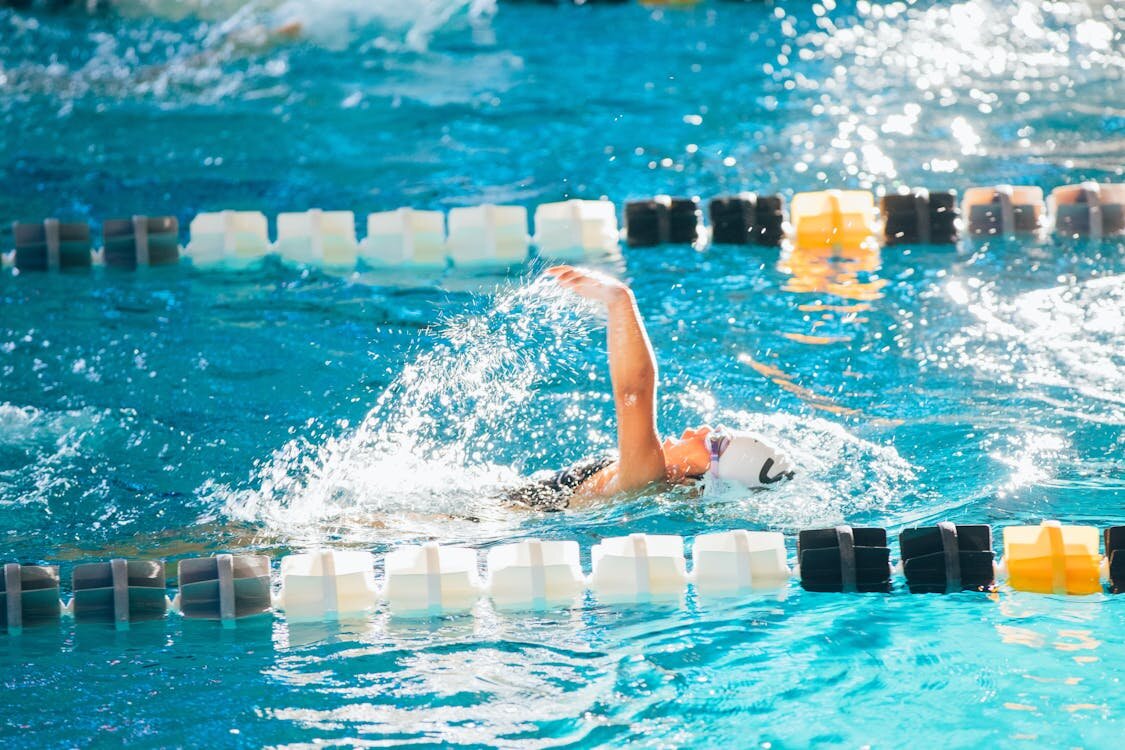
Consistent lap times indicate that a swimmer has found a highly sustainable rhythm. A swimmer pacing themselves properly will finish their first 100 metres and their last 100 metres in roughly the same amount of time. Erratic splits often reveal poor energy management early in the session.
2. Steady Breathing Rhythm
A steady breathing rhythm ensures the muscles receive a continuous supply of oxygen throughout the workout. Swimmers with a good pace naturally exhale underwater and inhale smoothly without gasping or choking. Panicked breathing clearly shows that the current speed is too demanding.
3. Stable Heart Rate
A stable heart rate confirms that the body handles the physical workload efficiently. The pulse should elevate to a comfortable working zone instead of spiking into maximum output. Tracking this metric helps swimmers figure out what is a good pace for swimming longer aerobic sets.
4. Maintained Stroke Length
Maintained stroke length means the swimmer pulls the same amount of water per arm cycle from start to finish. Exhausted swimmers typically start taking short, frantic strokes that waste energy and drastically slow them down. Keeping strokes long and smooth serves as a visible sign of excellent pacing.
5. Controlled Exertion
Controlled exertion describes the physical feeling of working hard but still retaining enough energy to continue. A well-paced swimmer finishes a set feeling invigorated rather than completely drained. This physical awareness helps anyone accurately determine what is a good swimming pace for beginners as they learn to manage their effort.
Personal Factors That Affect Your Speed
Several individual physical traits and skill levels determine how fast a person moves through the water. A swimmer’s cardiovascular endurance and their technical proficiency act as the primary drivers of their overall speed. Age and physical mobility also play a major part in determining an individual’s baseline pace.
Cardiovascular Fitness And Stamina
Cardiovascular fitness dictates how efficiently the heart and lungs deliver oxygen to working muscles during a swim. Swimmers with high stamina can sustain a faster pace over longer distances without gasping for air. Regular aerobic training builds this endurance gradually over time.
Stroke Mechanics And Technique
Stroke mechanics determine the amount of water resistance a swimmer creates and the propulsion they generate with each movement. Excellent technique reduces drag, allowing the body to slice through the water with minimal wasted energy. Proper body alignment keeps the hips and legs high near the surface, resulting in much faster laps.
What Is A Good Swimming Pace For Beginners?
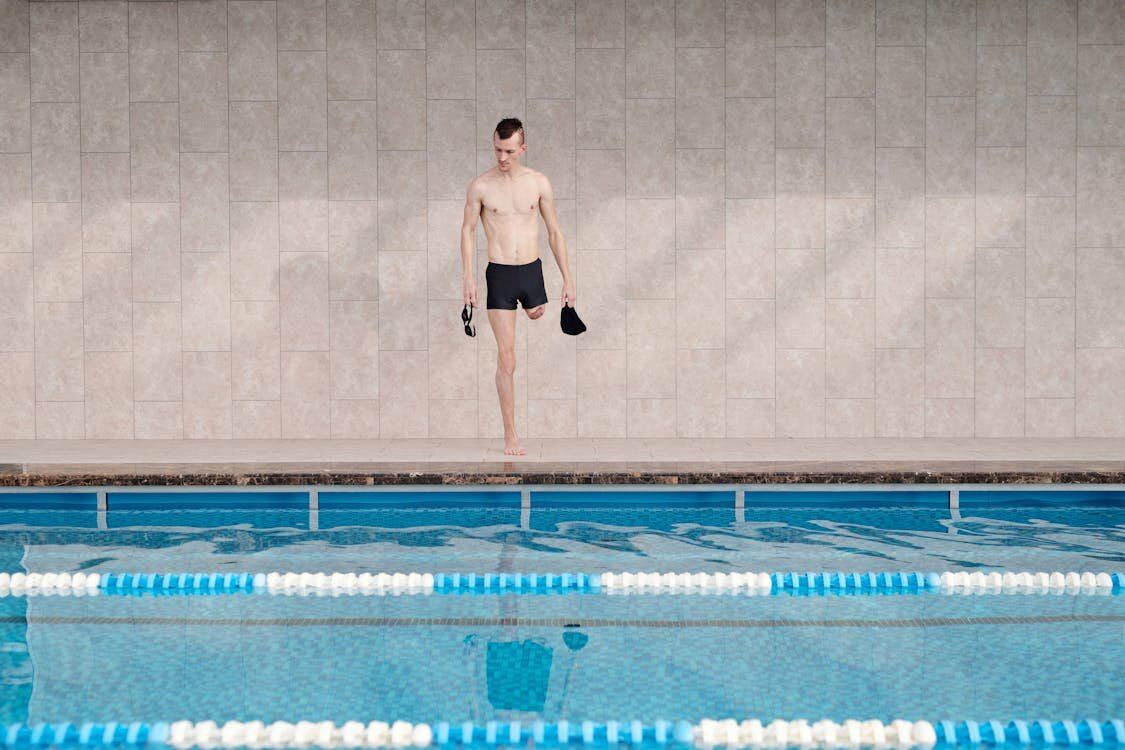
The process of finding what is a good swimming pace for beginners typically involves aiming for a speed that feels comfortable and sustainable for at least four continuous lengths. Novice swimmers should focus entirely on finishing their laps rather than racing the clock. A healthy starting point involves swimming at a speed where holding a brief conversation at the wall remains possible.
Average Times For 100 Metres
The average time for a beginner to swim 100 metres ranges between two minutes and fifteen seconds to three minutes. This metric assumes the swimmer uses the front crawl stroke and rests briefly between laps. Intermediate swimmers usually drop this time down to roughly one minute and forty-five seconds per 100 metres.
Setting Realistic First-Time Goals
Realistic first-time goals should prioritise distance and consistency over raw speed. A new swimmer might aim to complete 400 metres continuously before worrying about their exact stopwatch time. Focusing on steady, uninterrupted movement builds the necessary muscle memory for future speed gains.
External Factors Influencing Your Swim Time
Outside conditions and the physical environment heavily impact the time it takes to complete a swimming session. The type of pool and the specific stroke chosen will alter a swimmer’s final results significantly. Even the type of swimwear makes a measurable difference by either adding or reducing drag.
Pool Length: Short Course Vs Long Course
Pool length changes the number of turns a swimmer makes, which directly affects their overall speed. Short course pools measure 25 metres, giving swimmers frequent opportunities to push off the wall and gain a burst of momentum. Consequently, times recorded in a 50-metre long course pool generally look slower due to the lack of frequent wall push-offs.
The Specific Swim Stroke Used
The specific stroke a person uses dictates their maximum potential speed due to varying levels of hydrodynamic efficiency. Freestyle, or front crawl, ranks as the fastest and most efficient stroke for covering long distances. Conversely, the wide kick of breaststroke creates more frontal resistance against the water, resulting in a naturally slower pace.
Ways To Improve Your Swimming Pace Today
Improving your swimming pace requires a combination of technical adjustments and structured physical conditioning. Swimmers must actively refine their form while simultaneously building their endurance. Simple adjustments to daily habits yield noticeable speed improvements over time.
Master Your Breathing Technique
A masterful breathing technique prevents panic and keeps the heart rate stable during intense laps. Swimmers should exhale continuously through their nose while their face remains submerged. Exhaling fully ensures that a quick turn of the head allows the lungs to fill with fresh air instantly.
Follow A Structured Training Programme
A structured training programme introduces specific intervals and drills designed to build speed systematically. A planned workout breaks a session into warm-ups, main sets, and cool-downs rather than just swimming continuously until tired. This variety stimulates muscle growth and improves overall cardiovascular capacity efficiently.
Track Your Progress Effectively
Effective progress tracking requires logging lap times, resting periods, and perceived effort after every pool session. Recording this data highlights patterns and reveals whether your speed is actually improving from week to week. Swimmers can use waterproof smartwatches or the large pace clock on the pool deck to gather this feedback.
Common Pacing Mistakes To Avoid In The Water
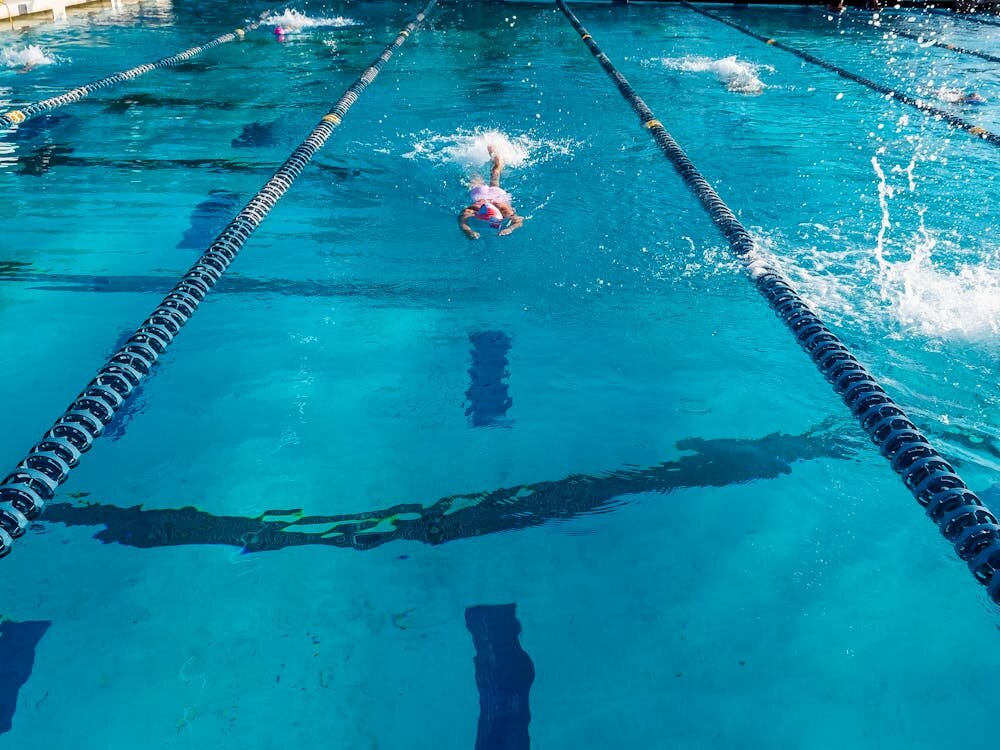
Common pacing mistakes usually stem from unchecked adrenaline and poor energy distribution early in the workout. Swimmers must identify these errors to maintain a steady speed. Correcting these bad habits preserves energy for the end of the session.
Sprinting The First Few Laps
Sprinting the first few laps stands out as the most frequent pacing error. Swimmers push too hard initially and then slow down drastically due to immediate exhaustion. A better approach involves starting at a comfortable speed and finishing strong.
Dropping The Elbows When Tired
Dropping the elbows underwater happens naturally when the arms start to feel heavy. This collapsed stroke completely eliminates the swimmer’s ability to catch the water effectively. Consequently, their speed plummets regardless of how hard they kick their legs.
Shortening The Stroke Length
Shortening the stroke length occurs frequently as fatigue sets in. Taking rapid, short strokes wastes energy and fails to pull the body forward efficiently. Maintaining a long, smooth reach requires conscious effort but preserves stamina over long distances.
How To Transition Your Pace From Pool To Open Water
A successful transition from the pool to open water requires adjusting expectations and accounting for unpredictable natural elements. A swimmer’s open water pace will almost always be slower than their pool pace. Swimmers must adapt their technique to handle the new environment.
Adjusting To The Lack Of Walls
Adjusting to the lack of walls means accepting the loss of free speed gained from pushing off every 25 or 50 metres. Swimmers must rely entirely on their continuous stroke to generate forward momentum. This constant effort demands greater muscular endurance than pool swimming.
Managing Natural Elements Like Waves And Currents
Managing natural elements forces the body to expend energy just to stay on a straight path. Currents, wind, and choppy waves constantly disrupt the swimmer’s rhythm. Therefore, swimmers moving outdoors should base their efforts on perceived exertion rather than staring strictly at a stopwatch.
Sighting For Navigation
Sighting for navigation disrupts body position and creates extra drag in the water. Lifting the head to spot buoys or landmarks causes the hips and legs to sink slightly. Practising quick, efficient sighting techniques minimises this drop in speed.
Conclusion About Good Swimming Pace
A good swimming pace ultimately depends on individual fitness levels and consistent technical practice. Swimmers who monitor their breathing, track their lap times, and avoid early sprinting will steadily build the stamina needed to move through the water with confidence.
JustSwim Singapore helps learners of all ages achieve their ideal speed through customised lesson plans and a highly effective teaching approach. A dedicated team of fully certified, patient coaches delivers focused private swimming lessons at public pools and condominiums across the country.
Contact us today to book a private swimming lesson and start improving your pace in the water!
More from the blog
- Swim schools we admire around the world
 SFA Certification in Singapore: What It Covers, How Long It Lasts, and How to Renew
 Occupational First Aid Course Singapore: OFAC and Other Types
 Singapore Life Saving Society (SLSS): Every Certification Explained
 SWOLF Swimming: What It Is, Average Scores & 5 Tips To Improve
Frequently asked questions
What Is A Good Pace For Swimming A Mile?
A recreational swimmer typically finishes a one-mile swim in roughly forty to fifty minutes. Advanced athletes often complete this exact same distance in well under thirty minutes.
How Long Should It Take To Swim 1000 Metres?
Beginners generally take about twenty-five to thirty minutes to swim 1000 metres continuously. More experienced swimmers easily complete this total distance in twenty minutes or less.
Is Swimming One Kilometre In 30 Minutes Good?
Swimming one kilometre in thirty minutes serves as an excellent benchmark for intermediate fitness levels. This pace translates to three minutes per hundred metres and shows strong cardiovascular endurance.
How Do You Accurately Measure Your Swimming Pace?
Swimmers accurately measure their pace by dividing their total finishing time by the distance covered in hundreds of metres. Waterproof smartwatches also automatically track this data and display average lap times instantly.
How Often Should A Beginner Swim To Improve Speed?
Beginners should visit the pool two to three times a week to build muscle memory and improve their overall speed. Consistent practice allows the body to adapt to the water resistance much faster than infrequent sessions.
Does Swimming Breaststroke Slow Down Your Average Pace?
Breaststroke naturally slows down your average pace because the wide kicking motion creates significant frontal drag against the water. Swimmers will always record slower lap times using breaststroke compared to using the freestyle stroke.