Ever had your leg suddenly tighten in the middle of a swim? One moment you feel fine. Next, your calf locks up, and you cannot move properly. It can be painful and a bit scary, especially if you are in deep water.
Cramps happen to beginners and experienced swimmers. It does not matter if you are doing a light session or hard laps. The good news is that most cramps can be prevented. You just need to know why they happen and what to change.
In this blog, we’ll talk about what causes cramps and how to prevent them while swimming.
What Happens During Cramps?
A cramp is a sudden tightening of a muscle. It feels sharp and painful. The muscle becomes hard and difficult to move. In swimming, cramps often happen in the calves, feet, or toes.
When a cramp hits, your muscle contracts but does not relax properly. This can last a few seconds or even minutes. In water, that loss of control can affect your balance and breathing.
Common signs of a cramp:
- Sudden sharp pain in the muscle
- The muscle feels tight or hard
- Trouble pointing or flexing your foot
- Temporary weakness after the pain stops
- Feeling nervous or tense after it happens
Why Do Cramps Happen
Cramps usually happen because the body is under stress in some way.
- Dehydration: When you do not drink enough water, your muscles struggle to function properly. Even in a pool, you still sweat and lose fluids.
- Lack of electrolytes: Minerals like sodium, potassium, and magnesium help muscles contract and relax. If levels are low, cramps are more likely.
- Poor warm-up: Jumping straight into intense swimming strokes without preparing the body can shock the muscles.
- Overuse or fatigue: Long sessions, especially fat-burning swimming workouts, can tire the muscles out.
- Tight muscles: If your calves or hamstrings are tight before you start, they are more likely to cramp.
- Sudden change in intensity: Going from slow laps to sprinting without easing in can strain the muscles.
How to Prevent Cramps While Swimming
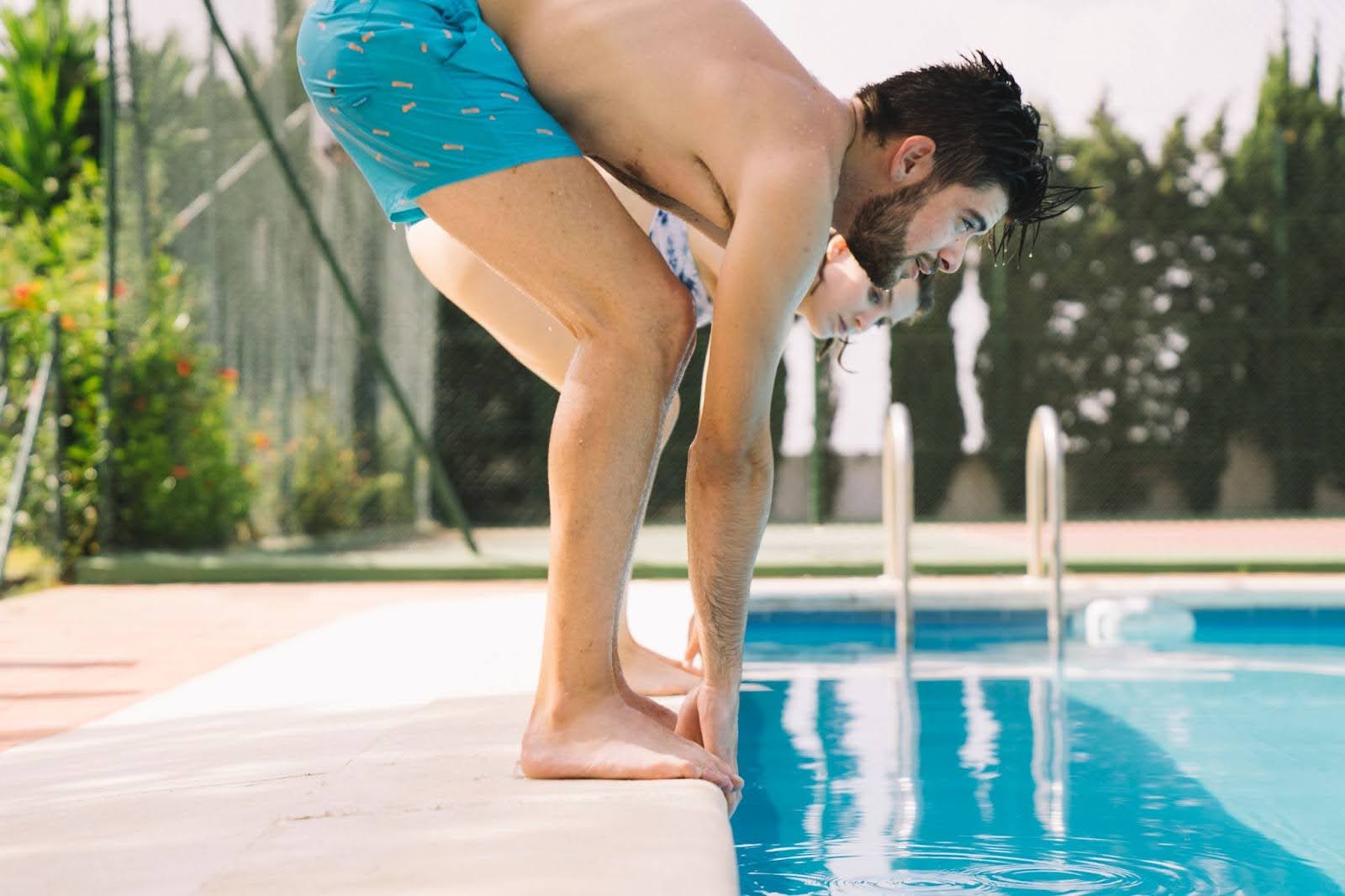
There is no single fix. It is about small habits done consistently.
1. Drink Enough Water
Even though you are in water, your body still loses fluids. Many swimmers forget this. Dehydration is one of the main causes of cramps.
Drink water before your session. Take small sips during breaks. And drink again after you finish. Do not wait until you feel thirsty.
- Drink 1 to 2 glasses before swimming
- Sip during longer sessions
- Replace fluids after training
2. Eat Properly Before Swimming
Swimming on an empty stomach can increase the risk of cramps. Your muscles need fuel to work well.
Have a light meal one to two hours before swimming. Include some carbohydrates and a bit of protein. Avoid very heavy or greasy food.
Simple ideas:
- Banana and yoghurt
- Toast with peanut butter
- Oats with fruit
3. Warm Up Before Swimming
Never skip this. Always warm up before swimming. Cold muscles cramp more easily.
Start with gentle movements on land. Then swim a few slow laps before increasing speed. This gives your body time to adjust.
Keep it simple:
- Arm swings
- Leg swings
- Easy 5-minute swim
4. Stretch Tight Areas
Tight calves and feet are common in swimmers. Gentle stretching can help.
Stretch after your warm-up, not when your muscles are cold. Focus on calves, hamstrings, and ankles.
Hold each stretch for 20 to 30 seconds. Do not bounce.
5. Build Intensity Slowly
Do not go from zero to full sprint. Increase your pace gradually.
If you are practising the freestyle swim stroke, start at an easy speed. Then build up over a few laps. This reduces sudden stress on your legs.
- Start slow
- Increase pace step by step
- Rest if needed
6. Check Your Technique
Poor technique can overload certain muscles. For example, pointing your toes too hard during kicking can strain your calves.
Make sure your kick comes from the hips, not just the knees. Relax your ankles. If unsure, ask a coach to observe your form.
7. Strengthen Your Lower Body
Weak muscles tire quickly. And tired muscles cramp more easily.
Add simple strength exercises to your weekly routine. Squats, calf raises, and lunges help support your swimming.
Do them 2 to 3 times a week:
- 10 to 15 calf raises
- 10 squats
- 10 lunges per leg
8. Avoid Overtraining
More is not always better. If you swim every day without rest, your muscles may not recover properly.
Listen to your body. If your legs feel heavy or tight, reduce the session. Recovery days matter.
- Plan rest days
- Mix hard and easy sessions
- Sleep enough
9. Wear Comfortable Gear
A tight swimming cap will not cause leg cramps, but overall comfort matters. Goggles that leak or tight gear can make you tense. Tension spreads through the body.
Relaxed swimmers move better. Make sure your gear fits properly and does not distract you.
10. Stay Calm If a Cramp Starts
Sometimes cramps still happen. If they do, do not panic.
Float on your back. Gently stretch the affected muscle. For a calf cramp, pull your toes towards your shin slowly.
- Signal for help if needed
- Stretch gently
- Rest before continuing
Exercises to Do Before Swimming to Prevent Cramps
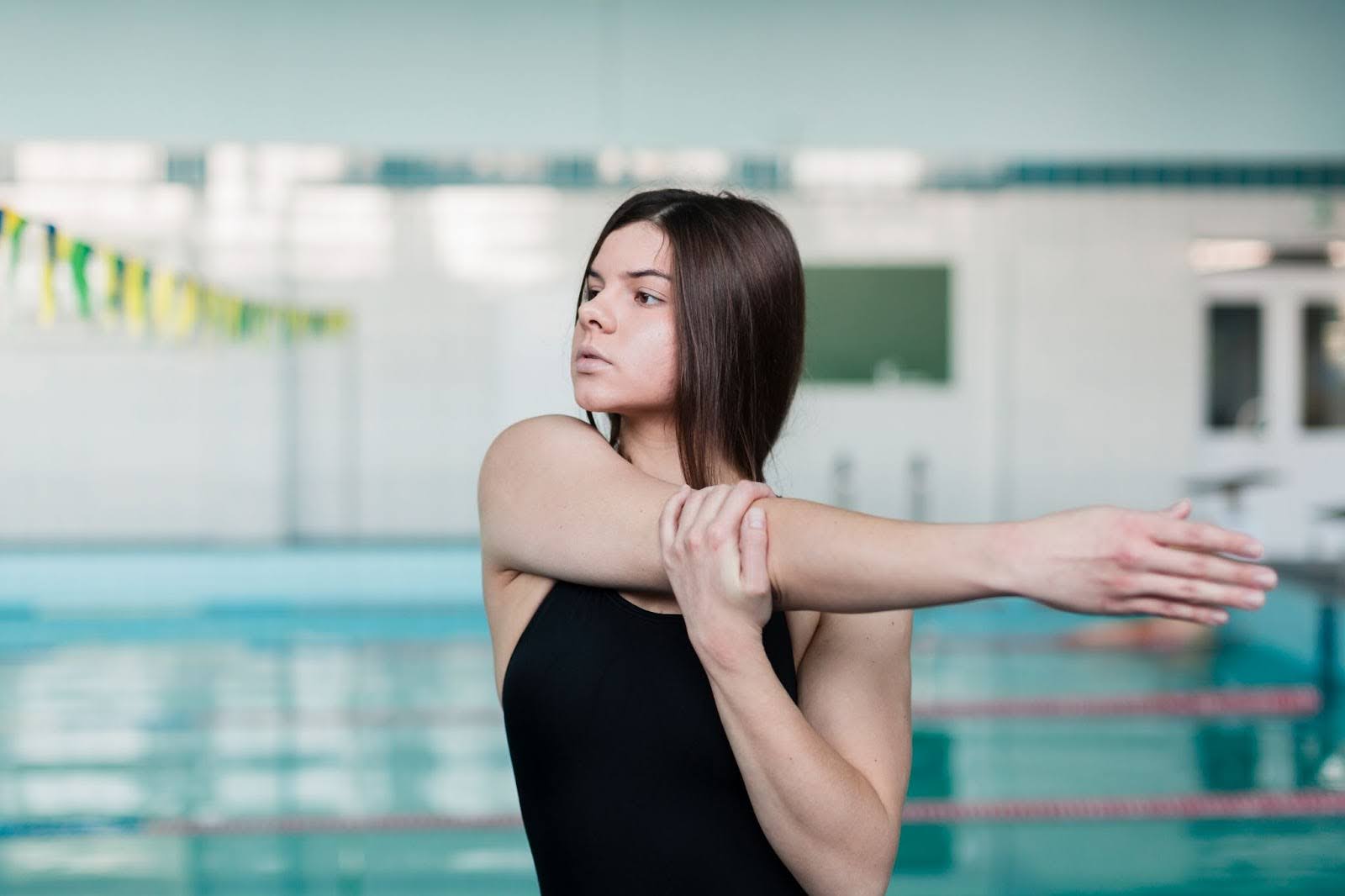
A short routine before getting into the pool can make a big difference. You do not need anything complicated. Just 5 to 10 minutes is enough to wake your muscles up and reduce the chance of cramps.
1. Calf Stretch
Tight calves are one of the main reasons swimmers get cramps, especially during kicking. This stretch helps loosen the lower legs before you start.
How to do it:
- Stand facing a wall. Place both hands on the wall at shoulder height.
- Step one foot back. Keep the other foot forward.
- Make sure both feet point straight ahead.
- Keep your back heel flat on the ground.
- Slowly bend your front knee and lean towards the wall.
- You should feel a stretch in the calf of your back leg.
- Hold for 20 to 30 seconds.
- Switch legs and repeat.
Do not bounce. Keep the movement slow and steady. If you feel pain instead of a stretch, ease off slightly.
2. Ankle Circles
Your ankles control how your feet move in the water. If they are stiff, your kick becomes tight and more likely to cramp.
How to do it:
- Stand tall and hold onto a wall or bench for balance.
- Lift one foot slightly off the ground.
- Rotate your ankle slowly in a circle.
- Do 10 circles clockwise.
- Then do 10 circles anti-clockwise.
- Keep the movement smooth, not rushed.
- Lower that foot and repeat on the other side.
You can also sit on a bench and do the same movement. Focus on full, gentle circles to loosen the joint.
3. Hamstring Stretch
Tight hamstrings can pull on your calves and increase tension in your legs. Stretching them helps your whole lower body feel lighter.
How to do it:
- Stand upright near a low bench or step.
- Place one heel on the bench. Keep that leg straight.
- Keep your back straight, not rounded.
- Slowly lean forward from your hips.
- Stop when you feel a stretch in the back of your thigh.
- Hold for 20 to 30 seconds.
- Breathe normally while holding.
- Switch legs and repeat.
You should feel a gentle pull, not sharp pain. Keep your shoulders relaxed and avoid forcing the stretch.
4. Light Jog or March
Before swimming, your muscles need blood flow. A light jog or march helps raise your heart rate gently and prepares your body for movement.
How to do it:
- Stand in an open space near the pool.
- Start jogging lightly on the spot for about 60 seconds.
- Keep it relaxed. Do not sprint.
- Swing your arms naturally.
- If jogging feels too intense, march on the spot instead.
- Lift your knees slightly higher with each step.
- Keep breathing steady and controlled.
The goal is not to get tired. You just want to feel warmer and more awake before entering the water.
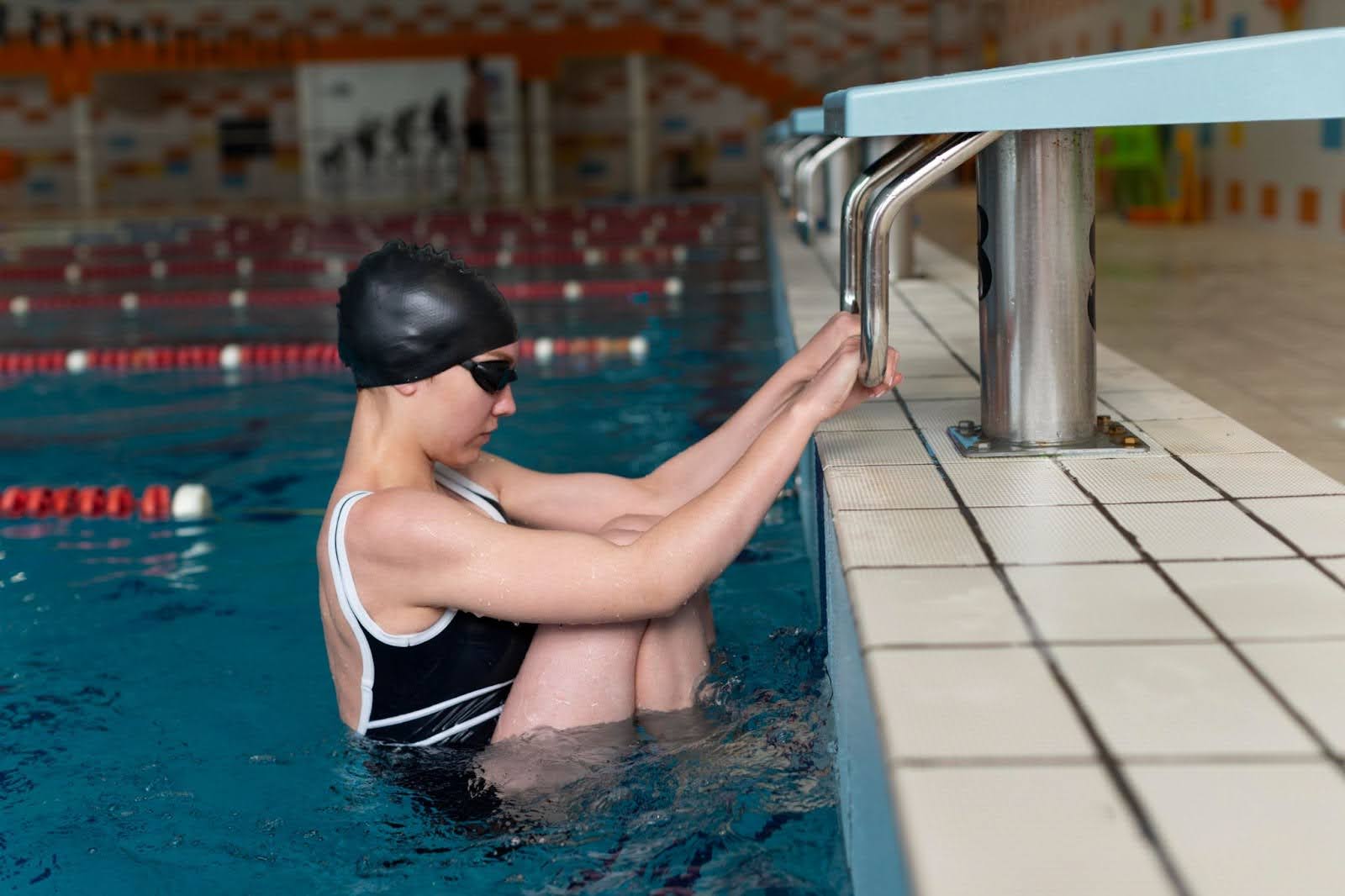
5. Gentle Practice Kicks
Before doing full laps, ease your legs into kicking. This helps your muscles adjust to the water.
How to do it:
- Get into the pool and hold onto the edge with both hands.
- Stretch your body out behind you. Keep your legs straight.
- Start with small, slow kicks.
- Focus on kicking from the hips, not the knees.
- Keep your ankles relaxed and toes pointed naturally.
- Continue for 30 to 60 seconds.
- Rest briefly if needed.
You can also use a kickboard and swim one slow lap before increasing speed. Keep everything easy at the start.
Tips to Prevent Having Cramps
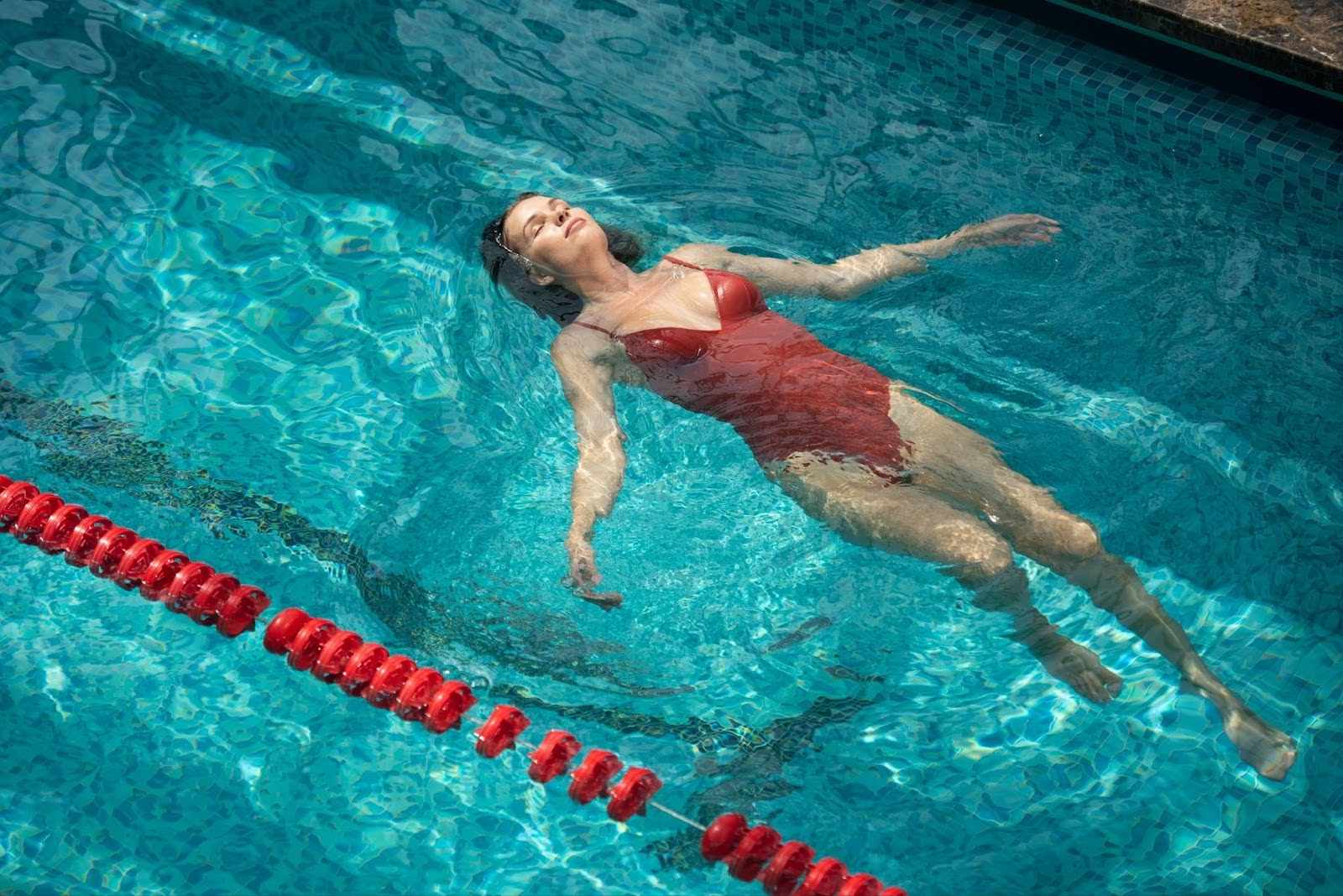
Small habits make a difference.
- Stay hydrated daily: Do not only drink water on swim days. Make hydration a daily habit.
- Do not ignore tightness: If your calves feel tight before swimming, stretch them properly.
- Increase training slowly: Add distance or speed bit by bit. Sudden jumps cause strain.
- Balance your workouts: Mix technique days with endurance days. The benefits of swimming come with smart planning.
- Refuel after sessions: Eat something light after swimming to help muscle recovery.
- Rest when needed: Pain is not something to push through. Take a break if your body asks for it.
Conclusion on Preventing Cramps
Cramps can interrupt a good swim. But most of the time, they are preventable. Drink enough water. Eat properly. Warm up. Build strength. And listen to your body.
Swimming should feel smooth, not stressful. With simple habits, you can reduce cramps and enjoy your time in the pool.
If you want proper guidance, we can help. At Just Swim, our team supports swimmers of all levels with safe training plans and technique guidance. We focus on comfort, confidence, and steady progress. Contact our team to get started!
Frequently Asked Questions About Preventing Cramps
Is It Normal To Get Cramps While Swimming?
Yes, it is quite common. Many swimmers experience cramps at some point. It usually happens due to dehydration, fatigue, or tight muscles.
What Should I Do If I Get A Cramp In Deep Water?
First, stay calm. Try to float on your back so you can breathe comfortably. Gently stretch the cramped muscle, and signal for help if you feel unsafe or unable to move properly.
Can Beginners Get Cramps More Easily?
Yes. Beginners may have weaker or tighter muscles. As fitness improves, cramps usually become less frequent.
Do Certain Strokes Cause More Cramps?
Strokes that involve strong or constant kicking can increase the chance of calf cramps, especially if the technique is poor. But cramps can happen during any stroke if the muscles are tight or overworked.
Can Diet Affect Muscle Cramps?
Yes, diet plays a role. Not drinking enough water or lacking key minerals like potassium and magnesium can increase the risk. Eating balanced meals and staying hydrated helps reduce the chances of cramping.