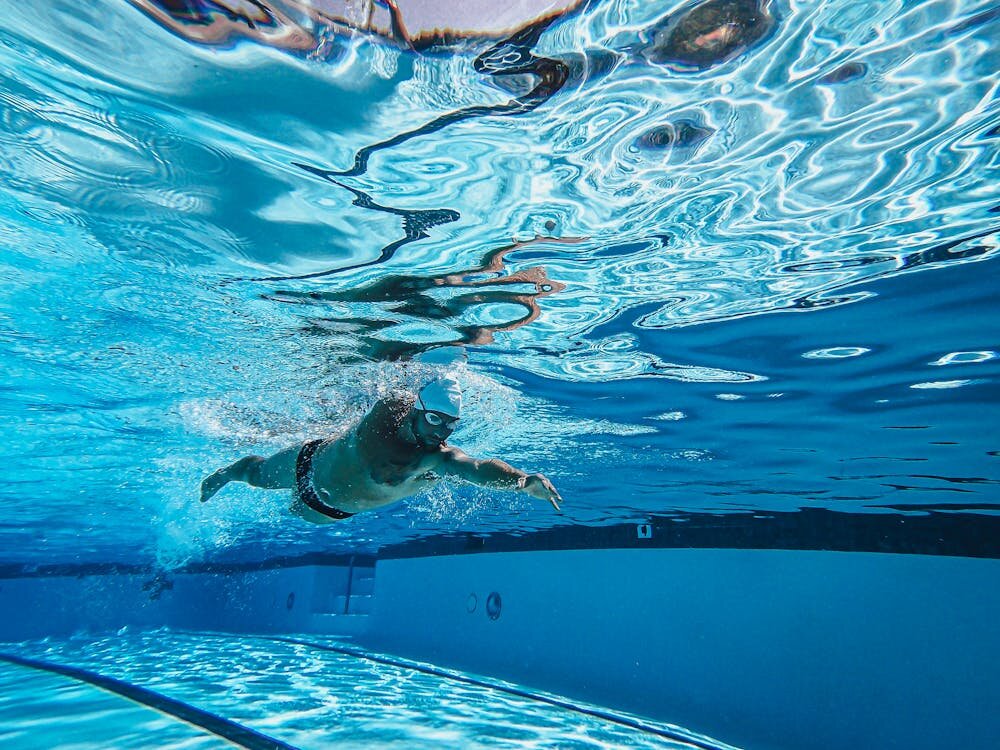
Correcting common swimming mistakes is the secret to transforming a chaotic splash into a smooth, effortless glide. Watching experienced swimmers easily cut through the pool can make the sport look incredibly simple.
In reality, many people find themselves sinking, swallowing water, and gasping for air after just half a lap. This intense exhaustion happens because poor form forces the body to fight against the water’s natural resistance.
Fixing these hidden technical errors will instantly save your energy. It will also make your regular pool sessions much more relaxing and productive.
This guide explores eleven frequent bad habits that hold swimmers back from reaching their full potential. You will learn practical steps to correct your form, discover how to identify your own stroke flaws, and find clear answers to common technique questions.
The Most Common Swimming Mistakes You Need To Stop Making
1. Holding Your Breath While Underwater
Holding your breath while underwater creates built-up tension and carbon dioxide in your lungs. This common swimming mistake forces you to exhale and inhale rapidly when you turn your head to breathe. You must slowly exhale through your nose or mouth the entire time your face is submerged.
2. Looking Forward Instead Of Staring At The Pool Floor
Looking forward instead of staring at the pool floor causes your hips and legs to drop instantly. The human body acts like a seesaw in the water. Keeping your neck neutral and your eyes pointed straight down keeps your body flat and streamlined.
3. Kicking From Your Knees Instead Of Your Hips
Kicking from your knees instead of your hips creates massive drag and wastes a lot of energy. A bicycle kick pushes water in the wrong direction and slows down your forward momentum. You should keep your legs relatively straight and generate the kicking power from your hip joints.
4. Crossing Over Your Centreline During A Stroke
Crossing over your centreline during a stroke forces your body to snake side to side through the water. This occurs when your hand enters the water and pulls past the imaginary line running down the middle of your body. Your hands should always enter the water in line with your shoulders to pull straight back.
5. Lifting Your Head Too High To Take A Breath
Lifting your head too high to take a breath disrupts your body alignment and makes your lower half sink. You only need to rotate your body just enough to get one eye and your mouth out of the water. Keeping one side of your face submerged helps maintain a smooth forward glide.
6. Letting Your Legs Sink Due To Poor Core Engagement
Letting your legs sink due to poor core engagement turns your lower body into an anchor. A relaxed stomach allows your back to arch, which breaks your horizontal posture. Tightening your abdominal muscles slightly will lift your hips and keep your legs near the surface.
7. Dropping Your Elbows During The Catch Phase
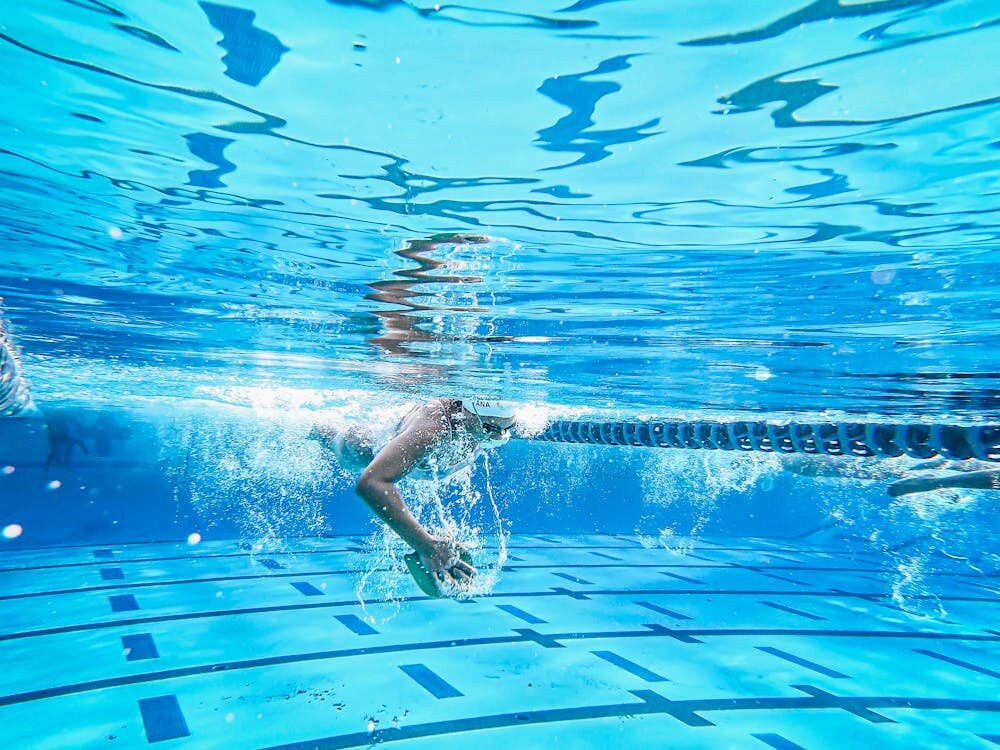
Dropping your elbows during the catch phase reduces the amount of water you can pull backwards. Your forearm and hand should act as one large paddle to push water towards your feet. Keeping your elbow high near the surface of the water generates much more propulsion.
8. Breathing Only On One Side (Ignoring Bilateral Breathing)
Breathing only on one side builds muscle imbalances and causes you to swim in a crooked line. This bad swimming habit also places excess strain on one shoulder over time. Practising bilateral breathing by taking a breath every three strokes will naturally balance your technique.
9. Relying Too Heavily On Swimming Aids And Floats
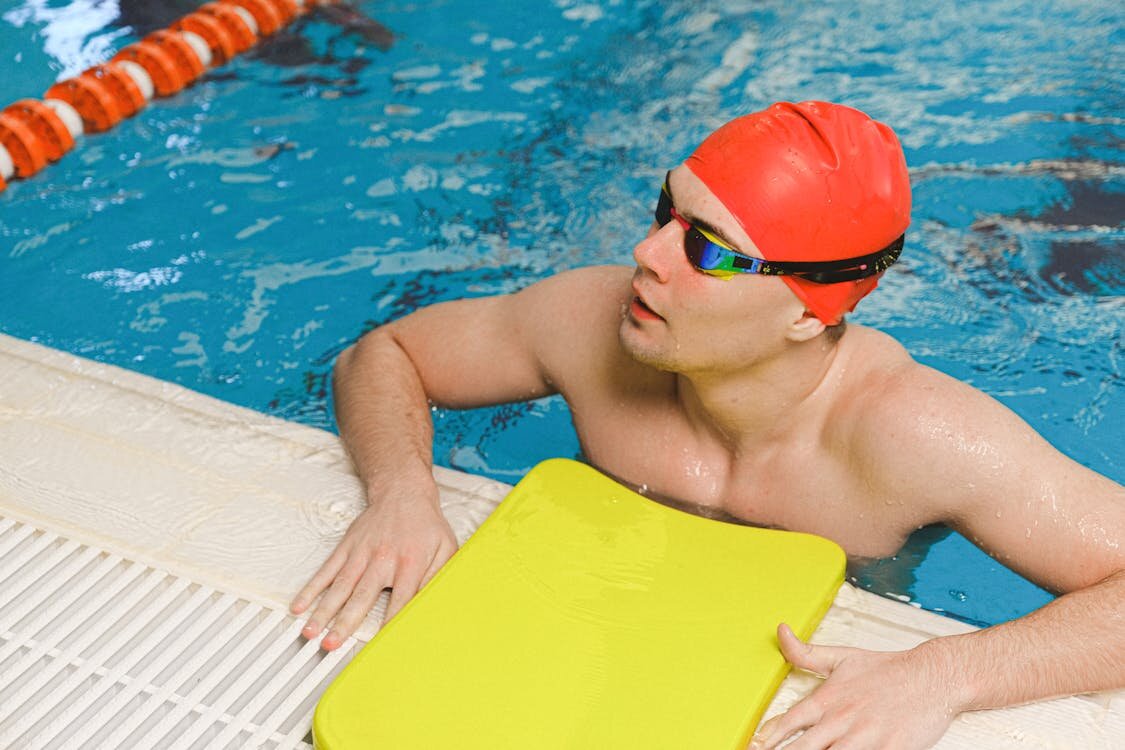
Relying too heavily on swimming aids and floats masks fundamental problems with your natural buoyancy. Pull buoys and kickboards are great tools for specific technique drills. Using them for an entire session prevents you from learning how to balance your own body weight in the water.
10. Skipping Your Pre-Swim Warm-Up Routine
Skipping your pre-swim warm-up routine increases your risk of pulling a muscle or cramping in the pool. Cold muscles are stiff and cannot achieve the full range of motion required for proper form. Doing simple arm circles and light stretching prepares your joints for the physical demands of swimming.
11. Swimming Without A Structured Plan Or Goal
Swimming without a structured plan or goal leads to lazy technique and very little progress. Hopping into the pool to simply swim laps often reinforces existing swimming errors as you get tired. Following a specific programme with targeted drills ensures every session brings actual improvement.
How To Identify Your Own Swimming Errors
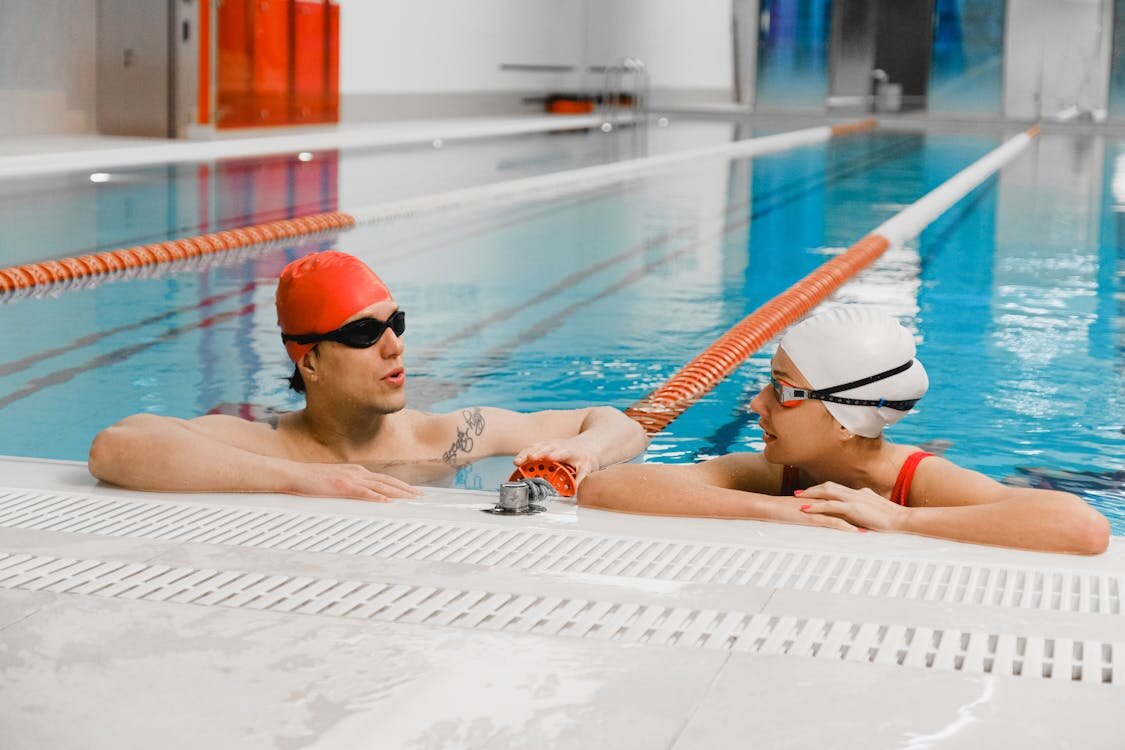
Identifying your own swimming errors requires external feedback and focused awareness. It is very difficult to feel what your body is doing wrong while you are busy trying to float. Using clear observation methods helps you pinpoint exact flaws in your stroke.
Ask A Friend To Film Your Technique
Asking a friend to film your technique provides immediate visual proof of your bad habits. A simple smartphone video taken from the edge of the pool reveals dropped elbows and sinking hips instantly. Watching yourself swim makes it much easier to visualise the physical adjustments you need to make.
Focus On Fixing One Movement At A Time
Focusing on fixing one movement at a time prevents your brain from becoming overwhelmed in the water. Trying to correct your kick, breathing, and arm pull all at once will ruin your coordination. You should dedicate an entire practice session to just one specific correction until it becomes a natural habit.
Why Fixing These Common Swimming Mistakes Matters
Fixing these common swimming mistakes matters because good technique unlocks speed and comfort. Poor form makes every lap feel like a massive struggle against the water’s resistance. Refining your movements transforms swimming into an enjoyable and highly rewarding activity.
Saving Your Energy For Longer Swims
Saving your energy for longer swims requires a streamlined body position that cuts through the water smoothly. Every mistake that causes drag forces your muscles to work twice as hard just to maintain momentum. Eliminating these errors allows you to swim many more laps without feeling completely exhausted.
Preventing Unnecessary Shoulder And Neck Aches
Preventing unnecessary shoulder and neck aches depends entirely on using the correct body mechanics. Lifting your head too high or crossing your centreline puts intense stress on your delicate joints. Swimming with proper alignment protects your muscles and keeps you injury-free for years to come.
Conclusion About The Common Swimming Mistakes
Proper technique transforms a tiring workout into a smooth and enjoyable glide across the pool. Swimmers who fix their breathing habits and body alignment quickly discover a completely new level of speed and confidence in the water.
JustSwim Singapore helps learners of all ages master these correct movements through customised private swimming lessons. The highly experienced, NROC-certified coaches use a unique teaching approach to ensure every student perfects their strokes in a safe and focused environment.
Contact us today to book your customised swimming lesson plan and start swimming with flawless form!
Frequently Asked Questions About The Common Swimming Mistakes
Frequently asked questions about swimming technique usually revolve around the timeline for improvement and best practice methods. Many beginners and self-taught swimmers face the exact same frustrations when trying to correct their form. Here are straightforward answers to help guide your progress.
How Long Does It Take To Correct A Bad Swimming Habit?
It takes anywhere from a few weeks to several months to correct a bad swimming habit. The timeline depends entirely on how often you practice and how deeply ingrained the error is. Consistent repetition is the only way to overwrite poor muscle memory.
Should I Hire A Coach To Fix My Form?
Hiring a coach to fix your form offers the fastest route to improving your technique. An experienced instructor can instantly spot minor flaws that you might never notice on your own. They will also provide specific drills tailored exactly to your personal weaknesses.
Why Do I Get Out Of Breath So Quickly When Swimming?
Getting out of breath quickly happens when you hold your breath underwater instead of continuously exhaling. Sinking hips also force your legs to work overtime, which rapidly burns through your oxygen supply. Relaxing your breathing rhythm and improving your body position will solve this sudden exhaustion.
How Often Should I Swim To Improve My Technique?
You should swim at least two to three times per week to effectively improve your technique. Visiting the pool only once a week makes it difficult for your body to retain the new muscle memory. Short, frequent sessions are much better for skill building than one long, exhausting session.
Are Swimming Aids Like Fins Good Or Bad For Beginners?
Swimming aids like fins are excellent for beginners when used correctly for specific isolation drills. They help you feel the correct body position and provide extra propulsion so you can focus strictly on your arm movements. However, you must avoid using them constantly so you do not become dependent on the extra floatation.