In Singapore’s warm, island climate, water activities are a cherished part of life. Many parents marvel at viral videos showing infants seemingly gliding effortlessly underwater, naturally sparking a common question: can babies swim naturally? It’s a fascinating thought, hinting at an innate ability.
While newborns do possess incredible reflexes that make them appear to “swim,” it’s crucial to understand the distinct difference between these fleeting instincts and the learned, complex skill of actual swimming.
This blog will explore the truth behind those reflexes, clarify what genuine water safety means for your little one, and equip you with essential knowledge to navigate their aquatic journey safely and confidently.
Can Babies Swim Naturally?

The image of a newborn seemingly gliding through water is captivating, leading many parents in Singapore to wonder: can babies swim naturally?
The short answer is both yes and no, and it hinges on how we define “swimming.” What you’re often seeing are remarkable, innate reflexes that all healthy babies possess, rather than conscious, controlled swimming as an adult would understand it.
From birth, infants display incredible aquatic instincts, a remnant of our evolutionary past. Place a newborn in water, and they often instinctively hold their breath, open their eyes, and make rhythmic arm and leg movements.
This isn’t a learned skill but an automatic, protective response. These reflexes are fascinating to observe and highlight a baby’s natural comfort and familiarity with water, given their nine months spent in the amniotic fluid.
The “Swimming Reflex” vs. Actual Swimming: What’s The Difference?
It’s vital to distinguish between a baby’s innate water reflexes and the complex, learned skill of independent swimming. While a newborn’s reflexes can make them appear to “swim,” this is far from true self-sufficiency or safety in the water.
The primary reflex often observed is the bradycardic response, or mammalian dive reflex. When a baby’s face is submerged in water, their heart rate slows, and blood flow is redirected to vital organs.
Simultaneously, they exhibit an involuntary laryngeal spasm, causing their larynx to close off the airway, preventing water from entering the lungs.
Coupled with this is the swimming reflex, where their arms and legs make paddle-like movements. These are all automatic, survival-oriented responses, not conscious actions.
Actual swimming, on the other hand, involves a series of learned, coordinated skills. This includes voluntary breath control, efficient propulsion through the water, changing direction, surfacing for air, turning onto one’s back to float, and self-rescue techniques like reaching for the side of the pool.
These are complex motor skills and cognitive processes that develop much later than the initial reflexes, typically not before a child is around four or five years old for true independent swimming. Relying solely on a baby’s natural reflexes for water safety is extremely dangerous and irresponsible.
How Long Do Natural Swimming Reflexes Last In Babies?

The fascinating natural swimming reflexes babies are born with, such as the mammalian dive reflex and the automatic limb movements, are surprisingly short-lived. Most infants begin to lose these innate responses around six months of age.
By the time a baby reaches their first birthday, these reflexes have typically faded significantly or disappeared entirely.
Understanding this timeline is crucial for parents. Once these protective reflexes diminish, a baby’s vulnerability in water increases dramatically.
This means that if a baby accidentally falls into water after this age, they no longer have the automatic breath-holding or paddling responses that might have offered a fleeting moment of protection earlier.
This natural fading underscores why active adult supervision, secure water barriers, and formal, age-appropriate swimming lessons become absolutely non-negotiable for water safety as your child grows.
It’s a key reason why early water acclimation and subsequent swim education are so vital, moving from reliance on reflex to the development of learned survival skills.
The 5 Benefits Of Baby Swimming Beyond Drowning Prevention

While learning water safety is the most critical outcome of infant swim lessons, the benefits of introducing your baby to swimming extend far beyond basic survival skills.
In Singapore’s warm climate, making water a regular part of your child’s life can unlock a host of developmental advantages, setting them up for success both in and out of the pool.
Here are 5 compelling reasons why baby swimming is a fantastic investment in your child’s early development:
1. Enhanced Physical Development And Motor Skills
The unique properties of water, such as buoyancy and resistance, provide a stimulating environment for babies to move their bodies in ways they can’t on land.
Kicking, paddling, and reaching in the water help to build muscle strength across their entire body (arms, legs, core, neck), improve flexibility, and significantly enhance both gross motor skills (large movements like crawling and walking) and fine motor skills (like grasping objects).
Studies have even shown that babies who swim regularly often hit physical milestones earlier than their non-swimming peers.
2. Boosted Cognitive Function And Brain Development
Baby swimming is a feast for the developing brain. The “bilateral cross-patterning” movements involved (where both sides of the body work together in an alternating pattern, like arm and leg movements) help build crucial neural pathways, particularly in the corpus callosum which connects the two hemispheres of the brain.
This stimulation is linked to improvements in areas such as reading skills, language development, spatial awareness, and problem-solving. The multi-sensory experience of water (touch, sight, sound) further enhances cognitive growth and memory.
3. Strengthened Parent-Child Bonding And Emotional Well-being

Baby swimming classes offer a unique, dedicated opportunity for undistracted, skin-to-skin bonding between parent and child. In the water, away from daily chores and digital distractions, parents and babies engage in focused interaction through touch, eye contact, songs, and gentle movements.
This shared, joyful experience fosters trust, strengthens emotional attachment, and can even lead to the release of oxytocin, the “love hormone,” for both parent and child. It also helps babies develop confidence and comfort in new situations with the security of their parents nearby.
4. Improved Social Skills And Early Adaptation
Group baby swimming classes provide an early introduction to a social setting. Babies observe and interact with other infants and adults, learning to follow instructions from an instructor, share space, and understand group dynamics.
This early exposure to a structured, social environment helps develop communication skills, builds self-confidence in interacting with others, and can make the transition to nursery or school much smoother later on. The shared sense of accomplishment and fun also promotes positive social experiences.
5. Better Sleep And Appetite (And Overall Well-being)
The physical exertion from even a short swim session can be surprisingly significant for a baby. Using their muscles and regulating their body temperature in the water requires a lot of energy.
This gentle “workout” often leads to increased appetite and more consistent, restful sleep patterns – a welcome benefit for both babies and their parents!
Beyond this, regular physical activity like swimming contributes to overall cardiovascular health, lung capacity, and can even boost a baby’s immune system, laying a foundation for a healthy and active lifestyle.
Key Water Safety Tips For Parents Of Babies And Toddlers

Water is a fantastic source of fun and development for young children, but it also carries inherent risks. As parents in Singapore, with our beautiful beaches, numerous public pools, and even home water features, understanding and implementing strict water safety measures is paramount.
Drowning can happen in mere seconds and often silently. These tips are designed to create a layered approach to protection, ensuring your little ones can enjoy water safely.
Constant, Active Supervision (The “Touch Supervision” Rule)
Unwavering, hands-on attention is, without doubt, the single most critical line of defence against water accidents for young children.
For babies and toddlers, this means strictly adhering to the “Touch Supervision” rule: you must be within arm’s reach of your child at all times when they are in or near any body of water, no matter how shallow.
Drowning is often silent and incredibly swift; it can happen in mere seconds, without any splashing or cries for help. This rule applies to bathtubs, paddling pools, public swimming pools, and even small buckets of water.
Put away your mobile phone, avoid reading, and resist engaging in distracting conversations. If there are multiple adults present, designate a specific “Water Watcher” whose sole responsibility is to constantly observe the children, ensuring a clear handover if duties change.
Never rely on older siblings to supervise younger ones in the water.
Secure Your Home Water Hazards
Your home, surprisingly, can harbour numerous water dangers for curious babies and toddlers. Taking proactive steps to childproof these areas is essential.
Any private swimming pools at home must be surrounded by a four-sided fence, ideally at least 1.2 metres high, equipped with a self-closing and self-latching gate that opens outwards. This creates a crucial physical barrier.
Beyond pools, immediately empty all buckets, paddling pools, and bathtubs after each use, then store them upside down and out of reach.
Remember, a toddler can drown in as little as an inch or two of water. Keep bathroom and laundry room doors securely closed, and consider fitting toilet lid locks to prevent adventurous little ones from accessing these potential hazards.
Furthermore, if you have decorative ponds or water features in your garden, ensure they are securely covered with robust mesh or fencing, or consider keeping them empty while young children are present.
Formal Swim Lessons Are A Layer Of Protection, Not A Guarantee
Enrolling your child in age-appropriate, formal swim lessons taught by qualified instructors is an invaluable layer of protection, but it’s crucial to understand they are not a foolproof guarantee against drowning.
These structured programmes teach vital water survival skills, such as how to float on their back, turn to the side of the pool, or even propel themselves a short distance. Such skills can significantly reduce the risk of drowning in an unexpected fall.
However, even a child who has completed multiple swim lessons still requires constant, active supervision around water. Swim lessons empower children with skills; they do not make them “drown-proof.”
Parents must remain vigilant and understand that lessons are one component of a comprehensive water safety plan, not a replacement for attentive guardianship.
Use Approved Life Jackets (Not Just “Floaties”)

When it comes to flotation devices, not all are created equal, and discerning the difference is vital for genuine safety.
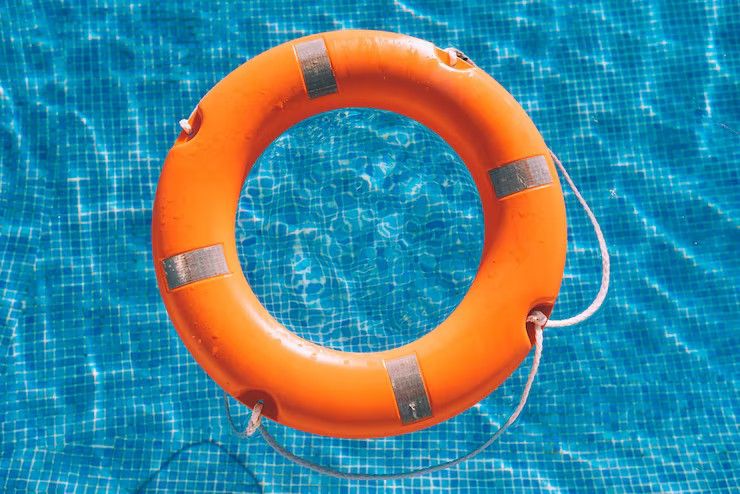
Always opt for approved life jackets that meet recognised national or international safety standards, such as those approved by the U.S. Coast Guard or a similar body in Singapore. These are specifically designed to keep a person’s head safely above water.
Critically, inflatable armbands, “floaties,” pool noodles, or inflatable rings are toys, not safety devices. They can give both children and parents a false sense of security, can easily slip off, or deflate, offering no reliable protection.
Ensure any life jacket fits snugly; if it rides up past your child’s ears when their arms are raised, it’s too large. Life jackets are indispensable for all children when on boats, near open water like reservoirs or beaches, or in any unfamiliar aquatic environment, regardless of their swimming ability.
Know How To Respond In An Emergency
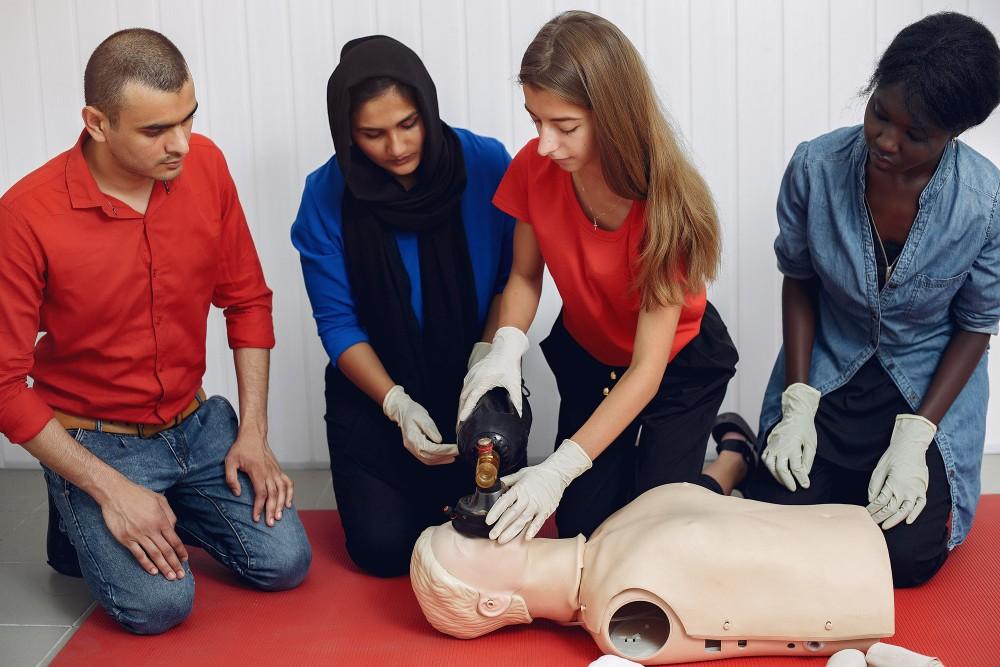
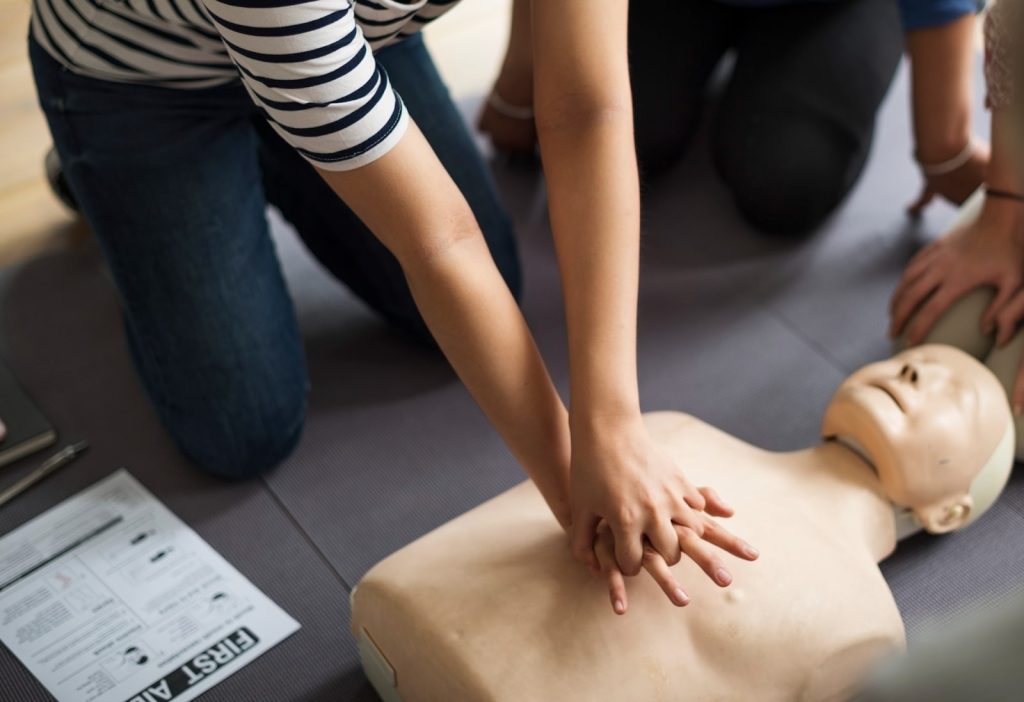
In any water-related emergency, every second counts. Empowering yourself with knowledge and preparation can literally save a life. It is absolutely essential for every parent and caregiver to be certified in infant and child CPR (Cardiopulmonary Resuscitation) and basic first aid.
Immediate action can prevent severe brain injury or even death in a drowning incident. Develop a clear emergency plan: know precisely who to call (emergency services – 995 in Singapore) and have a designated point person to fetch help while another initiates rescue.
If a child is ever missing, always check the water first, including any pool, bathtub, or even large bucket. Familiarise yourself with the subtle, often silent, signs of drowning, which rarely involve dramatic splashing or yelling; distress is usually quiet and quick.
Teach And Practice Water Rules
Establishing and consistently enforcing clear water safety rules from a very early age is fundamental in fostering a respectful and safe relationship with aquatic environments.
Teach your child simple, non-negotiable rules such as: never run on slippery pool decks, no pushing near water, always ask for permission before entering the water, and never, ever swim alone. Lead by example, demonstrating safe behaviour yourself.
As children grow, educate them about the specific hazards of open water, such as currents in canals or uneven surfaces at beaches.
Always ensure swimming occurs only in designated, supervised areas. Reinforce these rules regularly through conversation and practice, making them second nature as your child grows.
Consider The Environment
Before engaging in any water activity, it’s prudent to assess the surrounding environment and conditions. In Singapore’s tropical climate, sudden thunderstorms can arise, making outdoor swimming dangerous; always be aware of changing weather patterns.
Pay attention to water temperature, as infants and young children are more susceptible to hypothermia than adults.
Ensure the water is comfortably warm, and limit their time in cooler water. If using a pool, always check for intact and compliant drain covers; teach children to avoid playing near drains to prevent entrapment hazards.
At beaches or natural water bodies, be mindful of currents, waves, and any warning flags displayed. Being aware of these external factors adds another crucial layer to your comprehensive water safety strategy.
Conclusion About Babies Can Naturally Swim
So, can babies naturally swim? The answer, as we’ve explored, lies in understanding the difference between fascinating, fleeting reflexes and genuine, life-saving swimming skills.
While your little one may exhibit amazing water instincts, these are not a substitute for active adult supervision and proper water safety education. True water competency is a learned skill that develops over time, and it’s a vital one for every child, especially in a water-rich nation like Singapore.
Whether you’re looking to build your child’s confidence and skills, or perhaps learn to swim yourself, professional guidance makes all the difference.
Consider JustSwim Singapore for lessons tailored to your needs, from private swimming lessons to focused kids swimming lessons. Established in 2020 by a team of dedicated coaches – including competitive swimmers, triathletes, and lifesavers – JustSwim believes in focused, small-group instruction for maximum progression.
Their patient and experienced coaches are committed to delivering the highest standard of coaching, ensuring water safety, enjoyment, and affordability.
With a unique teaching approach developed from years of experience, JustSwim Singapore makes learning enjoyable and effective, guaranteeing you’ll master the right techniques.
They offer customised lesson plans for everyone, from infants and toddlers to adults and retirees. Contact us now and take the plunge and give your family the gift of essential swimming skills with JustSwim Singapore.
Frequently Asked Questions About Babies Can Naturally Swim
Does Splashing Indicate My Baby Is Uncomfortable Or Just Playing In The Water?
Splashing can indicate either, and it’s essential for parents to observe the context and their baby’s other cues. Playful splashing is usually accompanied by smiles, giggles, or a relaxed body, showing enjoyment.
However, frantic or uncontrolled splashing, especially when combined with a tense body, crying, or avoidance of eye contact, often signals discomfort or distress. Always look at the whole picture to understand your baby’s message.
Is It True That Babies Who Swim Early Develop Better Coordination On Land Too?
Yes, it’s generally true that babies who engage in early swimming activities often demonstrate improved coordination on land. The unique resistance and buoyancy of water provide a full-body workout that strengthens muscles, enhances balance, and refines both gross and fine motor skills.
These aquatic movements help develop neural pathways in the brain, which can positively impact their coordination as they grow and begin crawling, walking, and running.
Can Babies Learn To Hold Their Breath Intentionally, Or Is It Always A Reflex?
Initially, a baby’s breath-holding in water is primarily a reflexive action known as the mammalian dive reflex. However, with consistent and gentle guidance from qualified instructors, babies can indeed learn to hold their breath intentionally.
This transition from reflex to conscious control is a key part of early swim lessons, teaching them crucial water safety skills for brief submersions. It’s a learned skill, not solely an innate one, that becomes more reliable with practice.
Should I Be Concerned If My Baby Cries Or Resists During Initial Water Exposure?
It’s natural for some babies to cry or show resistance during their first few water exposures, as it’s a new and unfamiliar environment. Don’t immediately assume they’re terrified of water; it could simply be a reaction to a new sensation, temperature, or sound.
The key is to respond with calm reassurance, gentle handling, and gradual introductions, ensuring the experience remains positive and unforced. If persistent, consider adjusting the water temperature, time of day, or seeking guidance from a professional baby swim instructor to help them acclimatise comfortably.
What Are Some Fun, Non-Lesson-Based Water Activities I Can Do With My Baby To Build Confidence?
Building water confidence doesn’t always require formal lessons; many fun activities can help! Simply enjoying a shallow splash in a baby pool in your garden, singing songs and playing with floating toys during bath time, or gently swaying and walking in the shallow end of a public pool can be incredibly beneficial.
Focus on making these experiences positive and playful, allowing your baby to explore and get comfortable with the water at their own pace. Always ensure constant supervision during these activities.