
The combat side stroke technique is a specialised swimming style developed for military use, especially by elite forces like the Navy SEALs. Designed for stealth, endurance, and efficiency, it combines elements of the freestyle, breaststroke, and sidestroke to minimise splash and conserve energy.
Unlike traditional swimming strokes, this technique allows swimmers to cover long distances while staying low-profile in the water.
Whether you’re a beginner learning new skills, preparing for tactical swimming tests, or simply curious about military swim methods, this guide breaks down the combat side stroke step by step to help you master it with confidence.

How To Swim Combat Side Stroke?
Learning the combat side stroke can feel daunting at first, but by breaking it down into simple steps, beginners can quickly build confidence. This section covers each part of the stroke clearly and methodically, helping you understand how to move through the water efficiently.
Start With Streamlined Body Position
Begin by floating on your side with your body fully extended. Your lead arm (the one closest to the pool floor) should be stretched out straight in front of you, fingertips pointing forward, while your trailing arm rests along the side of your body.
Keep your head in a neutral position, eyes looking slightly forward and down, with your face partially submerged and your mouth just above the waterline.
Your legs should be long and straight, with your feet close together to minimise resistance. Engage your core muscles gently to prevent your hips from sagging, which can cause drag.
Aim to keep your body aligned from head to toe, as if you’re gliding along a narrow line, this reduces water resistance and sets a strong foundation for the stroke.
Initiate The Pull With The Lead Arm
The stroke begins with your lead arm performing a sculling motion. Start by turning your palm slightly outward and sweeping your hand out and down in a semicircular path, bending the elbow to catch the water effectively.
Once your hand passes your chest level, continue pulling it back along your side until your hand reaches your thigh.
This pull should feel controlled, not rushed. Focus on pushing the water backward to generate forward momentum while keeping your movements smooth and deliberate. Avoid splashing or jerking motions, your goal is to create steady propulsion while maintaining your balance and streamline.
Combine With The Trailing Arm Pull
As your lead arm finishes its pull, your trailing arm begins to move. Bring it forward in a relaxed, circular motion over the water or just beneath the surface, reaching forward to meet your lead arm. Both arms should now be fully extended in front of you, ready to begin the next stroke cycle.
Timing is essential here: the trailing arm should not start its pull too early, as this can throw off your rhythm and waste energy.
Ideally, it moves forward as the lead arm completes its pull, helping you maintain continuous motion. Keep your elbow slightly bent as the trailing arm enters the water to reduce splash and make the movement feel fluid.

Perform The Scissor Kick
The scissor kick is a key part of the combat side stroke, providing the burst of propulsion that moves you forward through the water.
Start by slightly bending your knees and separating your legs, your top leg (the one closer to the surface) should swing forward, while your bottom leg moves backward, forming a wide “V” shape.
It’s important to keep the movement controlled and avoid bending the knees excessively, as this can waste energy and cause drag.
Once your legs are fully extended in opposite directions, snap them back together quickly and powerfully, engaging your thighs and glutes. The timing of your kick should match the pull of your arms: aim to perform the scissor kick as your lead arm finishes its pull and your trailing arm reaches forward.
Keeping your feet pointed and your legs in line with your body will help maintain a streamlined shape, making your kick both strong and efficient.
Focus On Breathing Rhythm
Breathing smoothly is essential to keep the stroke relaxed and sustainable. As your lead arm completes its pull, gently rotate your head upward, just enough to allow your mouth to clear the water.
Keep the movement minimal; lifting your head too high can upset your balance and slow you down. Inhale steadily during this brief window, then return your face to the water as you extend both arms forward.
Once your face is submerged again, begin exhaling slowly and completely through your nose or mouth. This keeps your breathing cycle calm and prevents the buildup of carbon dioxide, which can cause fatigue.
Aim for a natural rhythm: pull, breathe, glide, exhale. With practice, breathing will become second nature and seamlessly blend into your stroke.
Glide And Reset
The glide phase is what sets the combat side stroke apart from more aggressive swimming styles. After your pull and kick are completed, extend both arms fully in front of you and keep your legs straight and close together. This streamlined position allows you to cut through the water with minimal resistance and conserve energy.
Hold the glide for a brief moment, usually one to two seconds, before beginning the next stroke cycle. The glide should feel smooth and controlled, not rushed.
Use this time to check your body alignment, making sure your head, torso, and legs are in a straight line. A well-executed glide not only boosts efficiency but also helps maintain a steady pace during longer swims.
Repeat With Smooth, Continuous Motion
To master the combat side stroke, it’s essential to link each part of the stroke into one continuous, flowing motion. Move seamlessly from the arm pull to the scissor kick, into the glide, and then reset for the next cycle. Each phase should feel connected, without any abrupt stops or jerky movements.
A good tip is to focus on timing: as your lead arm finishes its pull and your legs snap together in the kick, your trailing arm should already be on its way forward.
This keeps your momentum going and prevents stalling in the water. Regular practice helps develop muscle memory, so your body learns to perform the stroke naturally and efficiently. With time, the entire movement will feel like one graceful, unbroken sequence.

Combat Side Stroke Technique Vs. Traditional Side Stroke
While both the combat side stroke and traditional side stroke share a similar foundation, they differ in key ways that affect speed, efficiency, and purpose. The traditional side stroke is typically used for leisure swimming and lifesaving, offering a relaxed pace with a focus on comfort.
In contrast, the combat side stroke was developed by military forces to maximise stealth, endurance, and streamlined movement, making it ideal for tactical situations such as long-distance swims or covert operations.
One of the main differences lies in the arm movement. In the traditional side stroke, the lead arm pulls while the trailing arm rests passively along the body.
The combat side stroke, however, incorporates both arms actively: the lead arm performs a powerful sculling motion, while the trailing arm follows through with a freestyle-like movement, ensuring continuous propulsion.
Another distinction is the body position. The traditional stroke keeps the swimmer more upright, which is comfortable but less streamlined.
The combat side stroke maintains a flatter, more horizontal alignment, minimising drag and allowing the swimmer to stay closer to the water’s surface, which is vital for staying hidden and efficient.
The kick mechanics also differ. Traditional side stroke uses a gentle scissor kick mainly to maintain balance, whereas the combat side stroke employs a sharper, more forceful scissor kick that is perfectly timed with the arm pulls. This produces stronger bursts of propulsion, helping the swimmer cover longer distances with less effort.
Overall, the combat side stroke is designed to be faster, more energy-efficient, and tactically effective, making it a valuable addition to any swimmer’s skillset, especially for those seeking to build endurance and technique beyond recreational swimming.
Top 5 Common Mistakes In The Combat Side Stroke (And How To Fix Them)
Learning the combat side stroke takes patience, and it’s easy to fall into habits that slow progress or reduce efficiency. This section highlights the most common mistakes swimmers make and provides practical tips and drills to correct them.
1. Over-Rotating The Body
One of the biggest challenges is staying properly aligned on your side. Beginners often roll too far onto their chest or back, which disrupts balance and creates unnecessary drag. This misalignment makes the stroke feel awkward and inefficient, and it can tire you out quickly.
To correct this, keep your shoulders stacked and your body flat, with just enough rotation to allow comfortable breathing.
A helpful drill is the “side balance float”: lie on your side with one arm extended and the other at your side, focusing on keeping one eye in the water and one eye above. Practising this regularly locks in the correct body angle and builds muscle memory for stable, balanced swimming.
2. Inefficient Arm Timing
Proper timing between the lead and trailing arms is crucial for maintaining momentum. A common mistake is starting the trailing arm pull too early or moving both arms at once, which disrupts the flow and wastes energy.
To fix this, think of the stroke as a relay: your lead arm finishes its pull first, and only then does your trailing arm swing forward.
A simple cue is to mentally say “pull–reach” to coordinate the sequence. You can also practise with one-arm drills, focusing on completing each movement before the next begins, which reinforces smooth, controlled timing.

3. Weak Or Misaligned Scissor Kick
The scissor kick is a key power source in the combat side stroke, but many swimmers perform it with bent knees or poor leg alignment. This weakens propulsion and can throw off your body position.
For an effective scissor kick, your legs should open into a wide “V” shape with straight, extended legs, avoid letting your knees collapse inward or bending too much.
Snap your legs back together powerfully, keeping your toes pointed. A useful tip is to practise vertical scissor kicks against the pool wall to isolate the leg motion and build strength, paying close attention to clean, sharp movements.
4. Lifting The Head Too High To Breathe
It’s natural to want a big breath, but lifting your head too far disrupts balance and creates drag, making the stroke less efficient. This is a frequent issue, especially for swimmers still gaining confidence with breathing.
Instead, focus on rotating your head just enough so your mouth clears the water, think of it as resting your head on an invisible pillow.
A helpful drill is side-floating while gently turning your head to breathe, keeping one goggle in the water. This builds the habit of subtle head movement and keeps your stroke streamlined and efficient.
5. Skipping The Glide Phase
Many swimmers rush through the stroke cycle without pausing to glide, which burns energy quickly and prevents full use of the stroke’s efficiency. The glide is essential for making the combat side stroke sustainable over long distances.
To fix this, consciously extend your arms after each pull and hold the glide for at least one to two seconds before starting the next stroke.
A simple trick is to count “one-one-thousand, two-one-thousand” during each glide phase. This not only reinforces patience but also helps you tune into the water’s natural rhythm for a smoother swim.

Combat Side Stroke Breathing Techniques: Tips For Smooth And Controlled Strokes
Breathing well is one of the most important parts of mastering the combat side stroke. Unlike faster strokes, the combat side stroke allows plenty of time for breathing, but doing it smoothly and rhythmically takes practice.
Time Your Breath With The Arm Pull
The key to smooth breathing is getting the timing right. The ideal moment to breathe is as your lead arm completes its pull and your trailing arm begins to move forward. This natural opening creates space for you to turn your head slightly and take a breath without breaking your rhythm or disrupting your balance.
Focusing on this sequence, pull, breathe, glide, keeps your stroke flowing continuously. To practise, swim slowly and count each stroke cycle, ensuring your breath always coincides with your lead arm’s movement. This coordination helps build a reliable pattern that will soon feel automatic.
Keep Your Head Low And Neutral
Many swimmers instinctively lift their head too high to breathe, but doing so creates drag and can throw your entire body out of alignment.
Instead, aim to rotate your head just enough so that your mouth clears the water while keeping one goggle submerged. This keeps your profile sleek and your breathing quick and efficient.
A useful tip is to imagine resting your head on a pillow as you breathe, avoiding any upward tilt. Practising in front of a mirror or recording yourself in the water can help you spot and correct any over-lifting habits early on.

Exhale Underwater Fully
A common mistake is holding your breath until it’s time to inhale again, which can make you feel rushed and out of breath. Instead, exhale gently and fully underwater as soon as your face returns below the surface. This keeps your breathing cycle relaxed and prepares your lungs for the next breath.
A good habit to build is a steady, slow exhale through your nose or mouth while gliding. Try counting to yourself as you exhale (“one, two, three”) to maintain a calm, even release of air. This simple practice reduces anxiety and helps you stay in control.
Practise Side Breathing Drills
Drills are essential for making side breathing feel natural. One effective exercise is the “single-arm side glide,” where you swim on your side using only your lead arm to pull, focusing purely on rotating your head to breathe. Another good drill is side kicking with a kickboard, keeping your body still while practising your head turn.
These drills help isolate the breathing movement and allow you to concentrate on technique without worrying about coordinating the full stroke. Regular practice of these exercises builds muscle memory and boosts confidence when breathing becomes part of the complete stroke.
Maintain A Relaxed Upper Body
Tension in the neck and shoulders is a common issue that disrupts breathing and makes swimming feel harder than it should. Stiffness can cause jerky head movements, leading to awkward, inefficient breaths and tiring you out faster.
To prevent this, focus on keeping your shoulders down and your neck soft as you swim. A simple way to check your relaxation is to give your shoulders a gentle shrug between sets and consciously loosen them before you start swimming again.
Staying relaxed not only improves breathing but also makes the entire stroke feel smoother and more enjoyable.

Sync Your Scissor Kick For Stability
A well-timed scissor kick not only propels you forward but also helps stabilise your body when you take a breath.
The kick provides a solid base, preventing your body from rolling too much or losing alignment as your head turns for air. Ideally, the kick should occur just as your lead arm finishes its pull and you rotate to breathe.
To practise, focus on linking your kick to your breathing rhythm, think of it as locking your body into place at the critical moment. A helpful cue is to initiate your kick right before your inhale, which keeps your torso steady and your breathing smooth.
Use Bilateral Breathing Practice (Optional)
Most swimmers naturally prefer breathing on one side, but practising bilateral breathing, breathing on both sides, has significant benefits. It promotes muscle balance, improves stroke symmetry, and prepares you to adapt if water conditions or pool lanes force you to switch sides.
To build this habit, alternate your breathing every few laps or dedicate specific sessions to your non-dominant side.
Start slowly, focusing on comfort over speed, and use drills like the “three-stroke switch” where you breathe every three strokes, changing sides regularly. Over time, bilateral breathing becomes a valuable tool that enhances your overall versatility in the water.
Glide To Catch Your Breath
The glide phase offers a perfect window to reset your breathing and stay calm, especially during long swims. After your pull and kick, fully extend your arms and legs and hold a streamlined position, allowing your body to glide effortlessly through the water. This moment reduces the need to rush your breathing and gives you time to exhale completely.
Aim to hold the glide for one to two seconds, using it to focus on a slow, controlled exhale. Visualise your body cutting smoothly through the water, keeping everything relaxed. Regularly practising a mindful glide not only improves breathing control but also conserves energy.

Incorporate Hypoxic Sets (Advanced)
For swimmers who want to strengthen lung capacity and breath control, hypoxic training, where you intentionally reduce the frequency of breaths, can be a valuable addition. These sets train your body to use oxygen more efficiently and build endurance for longer swims.
Start with simple hypoxic drills, like breathing every five strokes for one lap, then resting. Gradually increase the distance or stroke count as your comfort grows.
Another useful drill is underwater kicking from one end of the pool to the other with controlled breath-holding. Always practise hypoxic sets under supervision, especially in deeper water, to ensure safety.
Practise In Calm And Rough Water
Breathing smoothly in a calm pool is one thing; maintaining that control in choppy or open water is another challenge altogether. Testing your breathing technique in different environments builds resilience and adaptability, preparing you for real-world conditions.
When swimming in rough water, keep your head lower than usual and time your breath between waves to avoid swallowing water.
Practising in a variety of conditions, such as during windy days or at the beach, helps you learn to adjust your stroke and breathing instinctively, keeping your swim controlled and efficient no matter the setting.
Conclusion About Combat Side Stroke Technique
Mastering the combat side stroke is more than just picking up a new swim style, it’s about building endurance, control, and precision in the water.
By focusing on streamlined body position, well-timed arm pulls, a strong scissor kick, and efficient breathing, you’ll develop a technique that’s both powerful and sustainable, whether for fitness or tactical use. Remember, progress takes time, so stay patient and keep practising in small, focused sessions.
If you’re serious about refining your swim skills or getting your child water-confident, consider JustSwim Singapore .
Our experienced team, made up of competitive swimmers, lifesavers, and triathletes, specialises in private swimming lessons and even kids’ swimming lessons. We’re committed to delivering high-quality, safe, and enjoyable coaching, and we don’t leave the pool until your strokes are right.
Discover a unique, effective approach to swimming with customised lesson plans designed to fit every age and ability.
Visit JustSwim Singapore today to get started on your swim journey!
More from the blog
- Swim schools we admire around the world
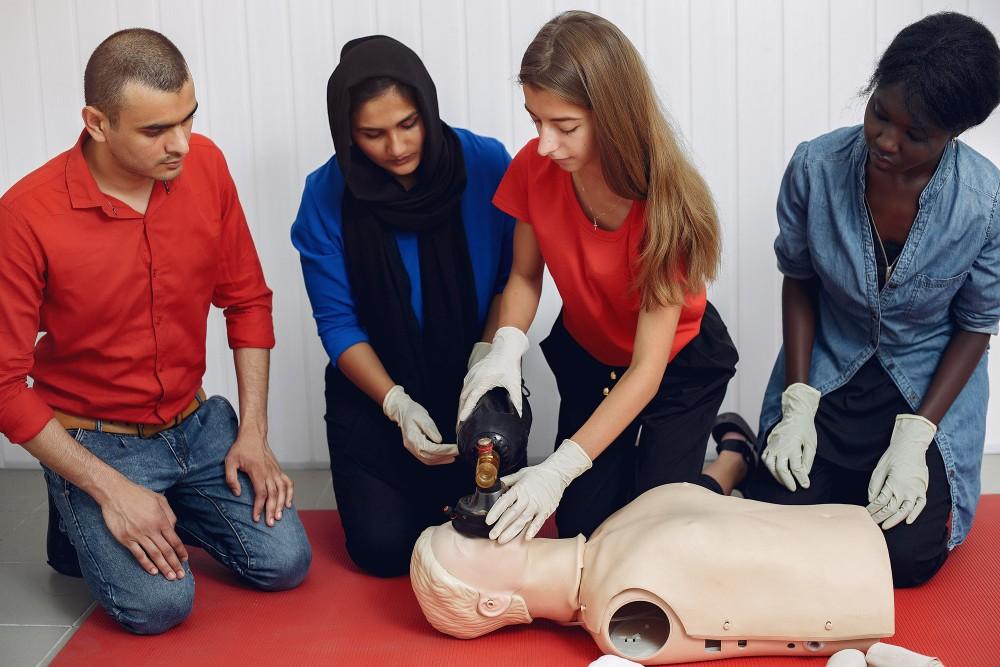 SFA Certification in Singapore: What It Covers, How Long It Lasts, and How to Renew
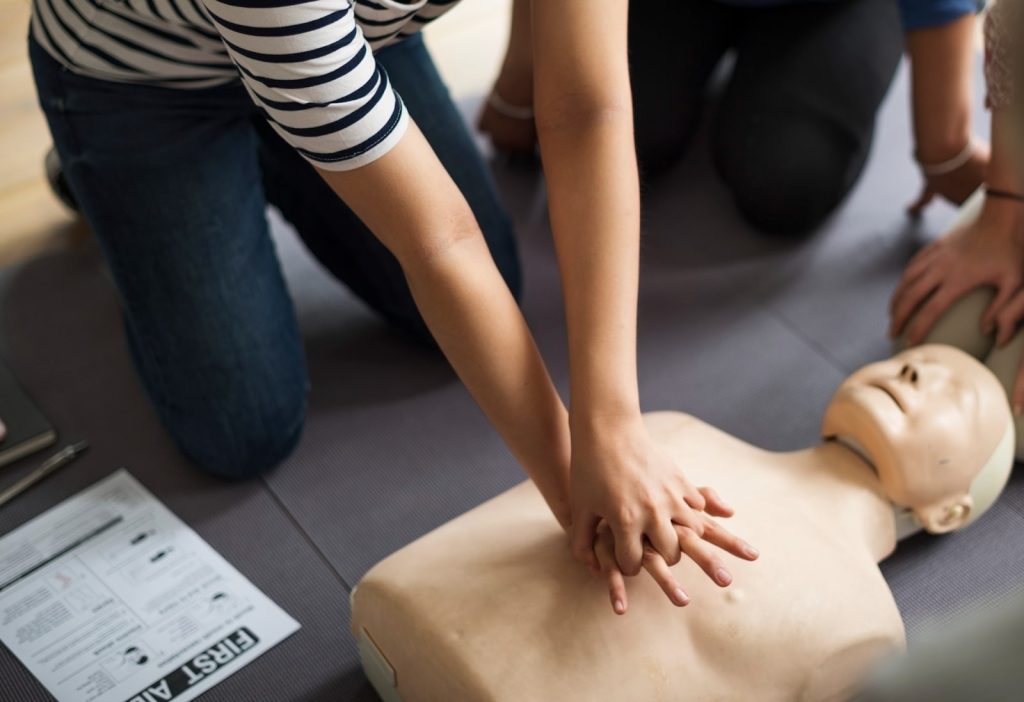 Occupational First Aid Course Singapore: OFAC and Other Types
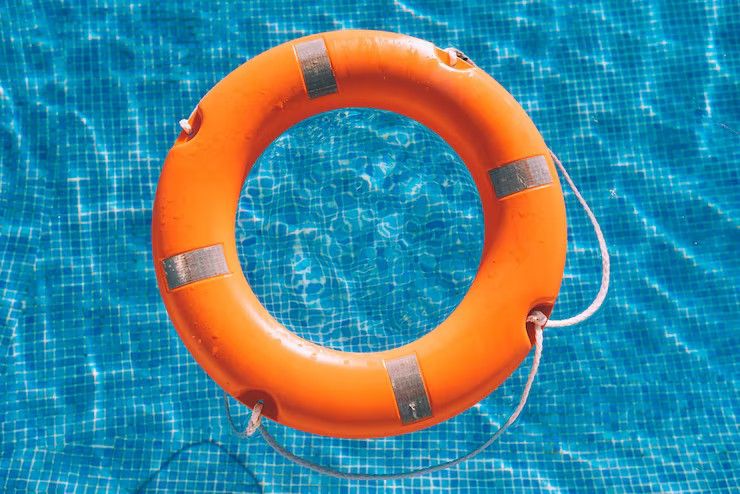 Singapore Life Saving Society (SLSS): Every Certification Explained
 SWOLF Swimming: What It Is, Average Scores & 5 Tips To Improve
Frequently asked questions
Does Combat Stroke Swimming Help With Water Safety Skills?
Yes, combat stroke swimming enhances key water safety skills such as efficient movement, breath control, and stamina. These are crucial in survival situations, especially for long-distance swimming.
Are Combat Stroke Swimming Techniques Used In Lifeguard Training?
Combat stroke techniques are not standard in most lifeguard training but may be introduced for specialised rescue scenarios. Lifeguards typically focus more on freestyle and breaststroke for speed and visibility.
Is Combat Stroke Swimming Faster Than Breaststroke?
Generally, yes. Combat stroke swimming offers a more streamlined body position and efficient glide, allowing swimmers to cover longer distances faster than with breaststroke.
Should Combat Stroke Swimming Be Practised In A Pool Or Open Water?
It’s best to start practising in a pool to build solid technique safely. Once confident, transitioning to open water can help simulate real-world conditions and further develop endurance.
Do I Need Special Certification To Learn Combat Stroke Swimming?
No special certification is needed to learn the combat stroke recreationally. However, military or lifesaving roles may require proof of proficiency through formal assessments.