
Swimming performance isn’t built in the pool alone. Many athletes and coaches ask, why is dryland training important for swimmers? The answer is simple: land-based workouts build the strength, power, flexibility, and endurance that directly translate to faster, more efficient swimming.
While the pool develops technique and stamina, dryland training complements it by targeting muscles, improving core stability, and reducing injury risks. Whether you’re a beginner or competitive swimmer, incorporating dryland exercises ensures a balanced, well-rounded approach to training.
This guide explains the key reasons dryland training matters and how it can elevate your performance in the water.

What Is Dryland Training?
Dryland training refers to the exercises swimmers perform outside the pool to enhance their performance in the water.
Unlike swimming, which primarily develops cardiovascular endurance and technique, dryland workouts target strength, flexibility, stability, and coordination, areas that the pool alone cannot fully address.
By building a stronger and more resilient body on land, swimmers are able to move more efficiently, maintain better posture, and reduce the risk of common injuries once they are back in the water.
Dryland routines typically include a mix of strength training, such as squats, push-ups, resistance band work, or weight exercises, which develop the power needed for fast strokes, explosive starts, and quick turns.
They also involve core conditioning, including planks, leg raises, and rotational drills, which are essential for holding a streamlined body position and minimising drag.
Alongside this, mobility and flexibility training, through stretching, yoga, or dynamic movements, helps improve range of motion in key joints like the shoulders, hips, and ankles. This makes strokes smoother and reduces stiffness, which is especially important for younger swimmers and adults returning to exercise.
10 Reasons Why Dryland Training Is Important For Swimmers Of All Levels
Dryland training plays a crucial role in shaping stronger, faster, and more resilient swimmers. While time in the pool is essential for refining technique and building stamina, land-based workouts address areas that water training alone cannot fully cover.
Below are ten key reasons why dryland training makes such a difference, supported by practical benefits that swimmers of all ages can appreciate.
1. Builds Strength & Power
One of the biggest advantages of dryland training is the ability to develop strength in muscle groups that are not fully engaged during swimming.
While swimming is excellent for cardiovascular endurance, it often does not provide enough resistance to build significant power. Exercises such as squats, push-ups, lunges, or weight training help strengthen the legs, arms, shoulders, and back, key areas that generate propulsion in the water.
For swimmers, increased strength means every stroke becomes more effective, with more force pushing the body forward. Stronger legs also lead to faster kicks, giving both children and adults a noticeable boost in their overall swimming efficiency.
This additional power not only improves speed but also helps swimmers sustain a strong pace during longer distances, making dryland training a foundation for long-term progress.
2. Explosiveness For Starts And Turns
Starts and turns can often make the difference between a good swim and a great swim, particularly in competitive settings. Dryland training is highly effective at improving explosiveness, which is the ability to generate maximum power in a short burst of time.
Plyometric exercises, such as jump squats, box jumps, and medicine ball throws, train the muscles to contract quickly and forcefully, perfect preparation for powerful dive starts and sharp push-offs.
By building this explosive strength, swimmers are able to leave the starting block faster and cover more distance before their first stroke. In addition, a stronger push off the wall during turns means less energy is wasted and momentum is carried forward more efficiently.
For children learning to swim, developing these skills early creates a strong athletic foundation, while adults benefit from the added confidence and precision that comes with controlled, powerful movements in the water.

3. Enhanced Core Stability And Streamline Posture
A strong core is one of the most important assets for swimmers. The core includes not just the abdominal muscles but also the lower back, obliques, and hips, all of which work together to keep the body stable in the water.
Dryland training that focuses on planks, Russian twists, leg raises, or stability ball exercises helps swimmers develop the strength to hold a streamlined body position.
This streamlined posture reduces drag, meaning the swimmer can glide through the water with less resistance and conserve energy. For children, learning to maintain a strong core early on sets them up for more efficient strokes as they grow.
Adults, on the other hand, often find that core training improves their balance, stability, and comfort in the pool, giving them greater control over each stroke and kick. The end result is smoother, more efficient swimming that feels less exhausting and far more enjoyable.
4. Improved Flexibility And Mobility
Flexibility and mobility are frequently overlooked, yet they play a vital role in swimming performance. Shoulders, hips, and ankles all need a wide range of motion for effective strokes, powerful kicks, and smooth turns.
Dryland activities such as stretching routines, yoga, or dynamic mobility drills allow swimmers to lengthen tight muscles, loosen stiff joints, and improve overall movement quality.
Increased flexibility means that strokes become longer and more fluid, reducing unnecessary strain on the muscles and joints. For children, this helps prevent stiffness and allows them to learn strokes with correct form from the start.
Adults often notice that working on mobility reduces discomfort, especially around the shoulders and back, and lowers the risk of overuse injuries. By dedicating time to flexibility training on land, swimmers of all levels can move more freely in the water, improving both performance and comfort.
5. Injury Prevention
Swimming is often seen as a low-impact sport, but repetitive movements in the shoulders, knees, and hips can still lead to strain and overuse injuries. Dryland training plays a key role in addressing these risks by strengthening stabiliser muscles and correcting imbalances that are difficult to target in the pool.
Exercises such as rotator cuff strengthening, hip bridges, and resistance band work build the smaller supporting muscles that keep joints stable and well-protected.
For young swimmers, this means growing into the sport with fewer aches and a reduced likelihood of developing long-term injuries.
Adults also benefit by keeping the body resilient, particularly those who may be returning to swimming after a break or using it as part of a fitness routine. By making injury prevention part of regular training, swimmers can enjoy the sport consistently without being sidelined by pain or setbacks.

6. Greater Muscular Endurance
Swimming requires muscles to perform the same actions repeatedly, often for long durations. Without adequate endurance, fatigue sets in quickly, leading to poor technique and reduced efficiency in the water.
Dryland training helps to build this endurance by using high-repetition strength exercises, circuit training, or bodyweight workouts designed to keep the muscles working for longer periods.
A stronger endurance base allows swimmers to maintain consistent strokes and kicks throughout an entire session or race, rather than fading halfway through. For children, this means developing the stamina to progress confidently from short distances to longer swims.
Adults find it especially useful for building the staying power needed in fitness swimming, triathlon training, or simply enjoying longer pool sessions without tiring too soon. Muscular endurance from dryland training gives swimmers of all levels the confidence to keep going strong from start to finish.
7. Mental Toughness & Confidence
Dryland training is not just about physical strength, it also builds mental resilience. Pushing through challenging land workouts such as high-intensity circuits or endurance-focused routines teaches swimmers to stay disciplined and focused under pressure.
These experiences help develop the mental toughness needed to cope with fatigue during races, maintain concentration in training, and handle the nerves that often come before competitions.
For children, learning to embrace challenges on land instils a sense of perseverance and achievement that carries over into the pool. Adults, especially those learning to swim or returning after years away, often find that building confidence through structured dryland sessions helps reduce anxiety in the water.
Over time, this mental strength translates into greater self-belief, turning swimmers into more composed and determined athletes both in training and on race day.
8. Better Coordination & Body Awareness
Effective swimming relies on precise timing and smooth coordination between the arms, legs, and core. Dryland exercises such as agility ladder drills, balance board routines, and medicine ball throws enhance neuromuscular coordination, teaching the body to move in harmony.
These drills improve proprioception, awareness of how the body moves in space, which is essential for refining stroke mechanics and improving efficiency in the water.
For younger swimmers, these exercises can help them gain better control of their movements, making it easier to learn and master new strokes. Adults benefit too, as improved coordination often leads to smoother, more fluid swimming with less wasted energy.
By sharpening body awareness on land, swimmers of all ages develop the ability to execute movements in the water with greater precision and confidence.

9. Addresses And Exposes Weaknesses
Swimming can sometimes mask physical imbalances because the water provides support and reduces the impact of each movement. Dryland training shines a light on these hidden weaknesses by isolating specific muscles and movement patterns.
For example, a swimmer who struggles with squats or single-leg balance drills may discover weaknesses in their hips or lower body strength, which directly affects their kick power and stability in the pool.
By identifying and addressing these imbalances on land, swimmers build a stronger, more balanced physique that enhances efficiency in the water.
For children, this means correcting weaknesses early on to prevent poor technique from becoming a long-term habit. Adults often find that tackling these areas leads to noticeable improvements in swimming comfort, speed, and stamina.
10. Training Continuity & Flexibility
Access to a pool isn’t always guaranteed, holidays, travel, or even seasonal closures can interrupt regular swim sessions. Dryland training offers a flexible way to stay fit and conditioned during these times, ensuring that progress is not lost.
Simple routines using bodyweight exercises, resistance bands, or minimal equipment can be done at home, in a hotel room, or outdoors, keeping swimmers active wherever they are.
For younger swimmers, this continuity helps maintain fitness and keeps them engaged with the sport even when pool training isn’t possible.
Adults benefit from the convenience of being able to train anytime, building consistency that supports long-term health and swimming performance. By making dryland workouts part of a regular plan, swimmers of all levels can stay strong, conditioned, and ready to jump back into the pool with confidence.

Is Flexibility Training On Land Important For Swimmers?
Flexibility is often overlooked in swimming, yet it is one of the key factors that determines how efficiently a swimmer moves through the water.
Stiff shoulders, tight hips, or limited ankle mobility can restrict a swimmer’s range of motion, making strokes shorter and less effective. Land-based flexibility training helps to unlock these joints and muscles, enabling swimmers to achieve smoother, longer movements and maintain proper stroke mechanics.
In addition to improving stroke efficiency, flexibility training supports quicker recovery after demanding swim sessions. Stretching routines, yoga, and mobility drills encourage blood flow, reduce muscle soreness, and help the body adapt better to frequent training.
For children, flexibility work ensures they develop healthy movement patterns early on, reducing the risk of adopting poor technique as they grow. Adults benefit too, as consistent mobility training can ease existing stiffness, making swimming more comfortable and enjoyable.
Flexibility also plays a major role in preventing injuries. By lengthening and strengthening muscles around vulnerable areas like the shoulders and knees, swimmers become less prone to common overuse problems such as shoulder impingement or knee pain from repetitive kicking.
Simple routines, such as dynamic stretches before swimming and static stretches after, or regular yoga sessions, can significantly improve mobility and resilience over time.
Conclusion About Dryland Training For Swimmers
Dryland training is not just an add-on to swimming, it is a long-term investment that strengthens the body, sharpens performance, and keeps injuries at bay.
From building explosive power for starts and turns to improving flexibility, endurance, and mental resilience, the benefits extend well beyond the pool. Swimmers who commit to consistent dryland work often find themselves moving with greater efficiency, confidence, and control in the water.
If you’re considering taking your swimming to the next level or looking for quality kids’ swimming lessons, JustSwim Singapore is here to help.
Founded in 2020 by a team of experienced coaches, including competitive swimmers, triathletes, and lifesavers, we specialise in private swimming lessons designed for faster progress, focused learning, and enjoyable sessions.
Our coaches are patient, dedicated, and won’t leave the pool until you master your strokes. Whether you’re a complete beginner, returning to the water, or keen for your child to develop strong swimming foundations, we’ll create a customised plan that fits your needs.
Take the plunge with JustSwim Singapore today, where every lesson is about safety, progression, and fun in the water.
More from the blog
- Swim schools we admire around the world
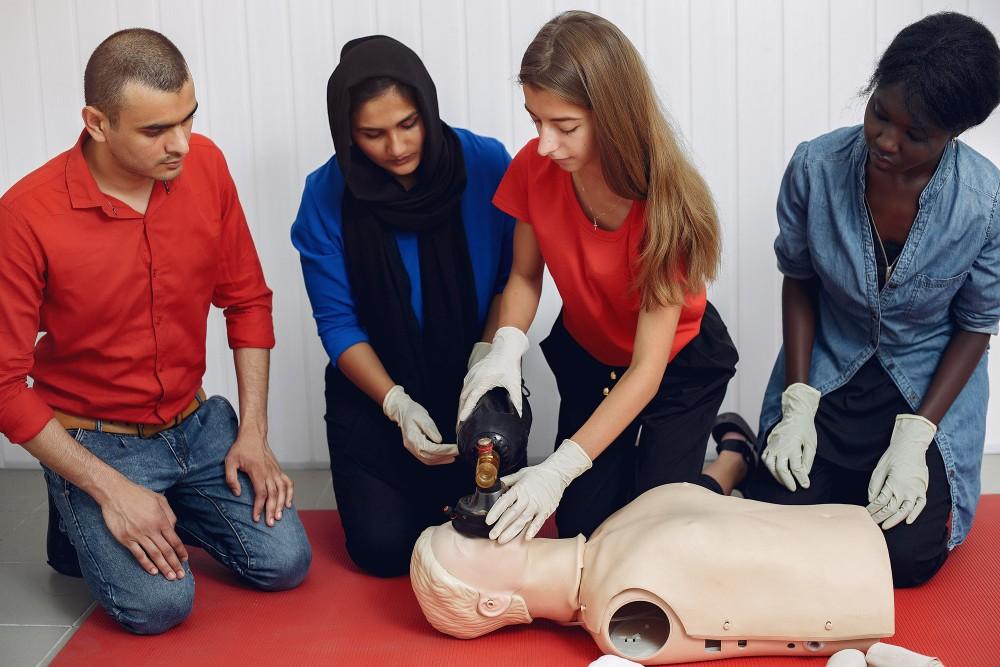 SFA Certification in Singapore: What It Covers, How Long It Lasts, and How to Renew
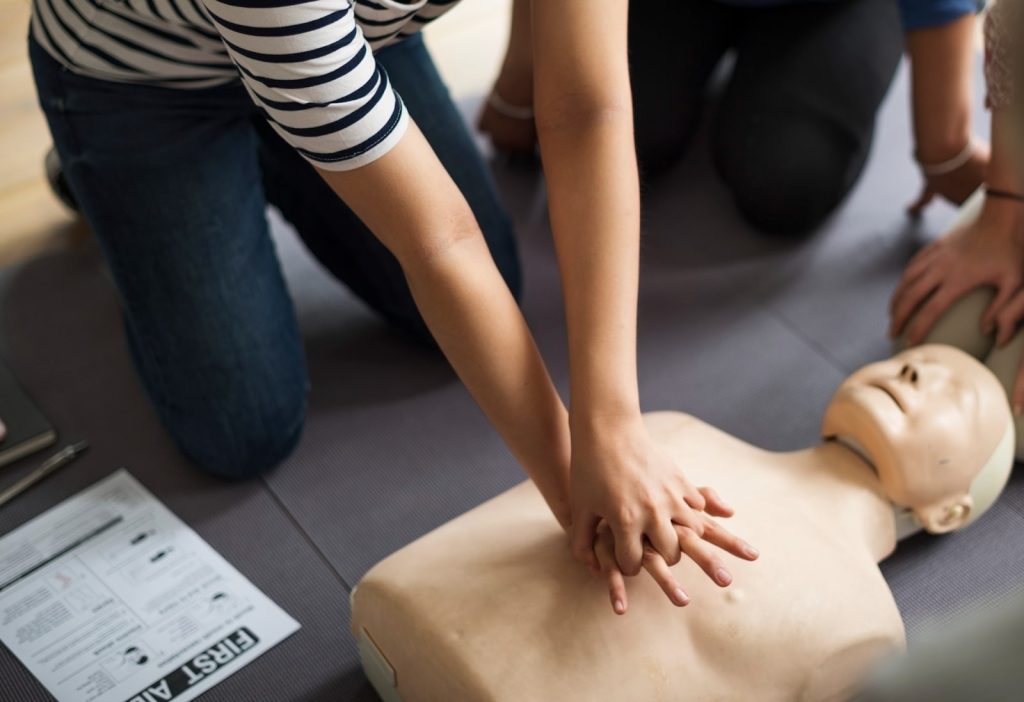 Occupational First Aid Course Singapore: OFAC and Other Types
 Singapore Life Saving Society (SLSS): Every Certification Explained
 SWOLF Swimming: What It Is, Average Scores & 5 Tips To Improve
Frequently asked questions
How Often Should Swimmers Include Dryland Workouts In Their Routine?
Most swimmers benefit from two to three dryland sessions per week, depending on their age, fitness level, and training goals.
This frequency provides enough strength and flexibility gains without causing fatigue that may affect pool performance. Competitive swimmers may adjust intensity and frequency around race schedules for optimal results.
Are There Age-Appropriate Dryland Exercises For Children Who Swim?
Yes, children can safely do dryland training when exercises are tailored to their developmental stage. Bodyweight movements, balance games, stretching, and light resistance bands are common options.
The focus is on coordination and fun, rather than heavy lifting, to build healthy movement patterns that support swimming.
Can Dryland Training Improve Swimming Technique Directly?
Dryland training does not replace pool drills, but it does support cleaner technique. Strengthening the core, shoulders, and hips allows swimmers to hold a more streamlined position in the water. Improved flexibility also helps with smoother stroke mechanics and reduced drag.
Is Dryland Training Still Useful During The Off-Season Or When Pools Are Closed?
Absolutely, dryland training ensures swimmers maintain their fitness when pool access is limited. Land-based workouts can focus on strength, endurance, and mobility so athletes return to the water prepared. It also provides an opportunity to target weaknesses that may not be addressed during the competitive season.
Does Dryland Training Help With Swimming Speed?
Yes, dryland training improves swimming speed by building power and explosiveness in key muscles used for strokes, starts, and turns. Core and leg strength, developed on land, transfer into faster push-offs and stronger propulsion. Combined with technique work, this leads to noticeable gains in race performance.
Can Dryland Training Replace Swimming Workouts?
No, dryland training is a supplement, not a substitute, for pool sessions. It develops functional strength, flexibility, and coordination, but it cannot replicate water feel or stroke timing. For best results, swimmers should combine both pool training and dryland exercises as part of a balanced routine.