
Wondering how to become a lifeguard in Singapore and what its duties and responsibilities are? This straightforward guide walks you through every step, from meeting the basic requirements to completing essential certifications and securing your first job.
You’ll learn what training to take, how to get certified in lifesaving and CPR, and where to apply for lifeguard positions. If you’re ready to turn your swimming skills into a career, this is the starting point you’ve been looking for.

1. Meet Basic Requirements
Before you can begin your journey to becoming a certified lifeguard in Singapore, it’s important to ensure you meet a few key requirements. These help training centres assess whether you’re ready, both physically and mentally, for the responsibilities of the role.
Minimum Age
Most lifeguard courses, including the Bronze Medallion and Pool Lifeguard Certification, require participants to be at least 16 years old. Some lifesaving training centres may offer pre-certification swimming or lifesaving classes for younger learners, but formal certification begins from 16 onwards.
Swimming Ability
You don’t need to be an elite swimmer to begin training, but you must be confident in the water. Trainees are typically expected to:
- Swim at least 100 metres continuously using recognised strokes (such as freestyle or breaststroke),
- Tread water for at least 2 minutes,
- Perform surface dives to retrieve objects from the bottom of the pool,
- Swim underwater for short distances comfortably.
If you or your child is still working towards these abilities, taking structured swimming lessons first is highly recommended. At JustSwim Singapore, for example, our private swimming lessons focus on building water confidence, refining technique, and preparing students for lifesaving readiness.
Physical And Mental Fitness
Lifeguarding requires alertness, strength, and stamina. While you don’t need to be in peak athletic condition, you should be able to:
- Move quickly and react calmly during emergency drills,
- Support another person’s body weight in the water,
- Stay focused for long periods, especially during surveillance duties.
Those with underlying medical conditions may be asked to obtain medical clearance before enrolling in practical assessments. The goal is to ensure all candidates are ready to handle real-life rescue scenarios safely and effectively.
Core Technical Skills Of A Lifeguard (The “Must-Haves”):
- Proficient Swimming and Rescue Techniques: Mention specific strokes and rescue methods learned during certification.
- First Aid and CPR Expertise: Emphasise that these are non-negotiable skills needed to be a lifeguard.
- Knowledge of Pool Safety Regulations: Discuss the importance of understanding and enforcing the rules.
Essential Soft Skills Of A Lifeguard (The “Qualities of a Great Lifeguard”):
- Alertness and Observation: The ability to stay focused for long periods and spot potential trouble before it escalates.
- Calmness Under Pressure: How to remain composed and act decisively during an emergency.
- Clear Communication and Interpersonal Skills: The importance of communicating effectively with patrons and as part of a team.
- Physical Fitness and Stamina: Lifeguarding is a physically demanding job that requires you to be in good shape.

2. Complete Lifesaving 1/2/3 Courses
The first official step towards lifeguard certification is completing the Lifesaving 1, 2, and 3 courses, commonly referred to as the foundation series.
These courses are structured progressively and designed to build your competence and confidence in water rescue skills, personal survival, and emergency response.
Lifesaving 1
This introductory course covers basic self-rescue and rescue techniques. You’ll learn how to assess an emergency, stay safe while assisting someone in distress, and use basic aids like ropes and flotation devices. It’s a great starting point for beginners who are new to lifesaving.
Lifesaving 2
Here, the skills become more advanced. You’ll practise more difficult rescues, including reaching and throwing techniques, towing a casualty through water, and dealing with an unconscious victim. You’ll also be introduced to teamwork principles and communication during rescue operations.
Lifesaving 3
This is the final step before moving on to the Bronze Medallion. Training includes complex scenarios such as managing multiple casualties, performing shallow water dives, and executing safe and effective water entries. You’ll also learn about spinal injury management and personal survival techniques in clothing.
Each level includes a practical assessment conducted by certified lifesaving instructors. All three courses must be completed in order and are typically offered by accredited organisations such as the Singapore Life Saving Society (SLSS) or approved training centres.
For children or adults who haven’t yet built up the necessary skills, personalised swimming lessons can help bridge the gap before starting Lifesaving 1. With patient, one-to-one coaching, learners can build their swim endurance and learn proper technique, paving the way for success in lifesaving training.

3. Obtain CPR Certification
One of the most important components of lifeguard training is being certified in Cardiopulmonary Resuscitation (CPR).
In Singapore, CPR and Senior Resuscitation (SNR) certifications are mandatory requirements before you can advance to higher-level qualifications like the Bronze Medallion and Pool Lifeguard Award.
Why CPR Certification Matters
As a lifeguard, you’re not only responsible for spotting potential dangers in the water, you’re also the first responder during a medical emergency.
Drowning incidents, heart-related issues, or even sudden loss of consciousness can all occur within a split second. Knowing how to perform effective CPR could mean the difference between life and death while waiting for paramedics to arrive.
The Senior Resuscitation (SNR) component builds on basic CPR and covers emergency response for both adult and paediatric victims. You’ll learn techniques for chest compressions, rescue breaths, and safe use of an Automated External Defibrillator (AED), all vital tools in real-world rescue situations.
What You’ll Learn In A CPR Course
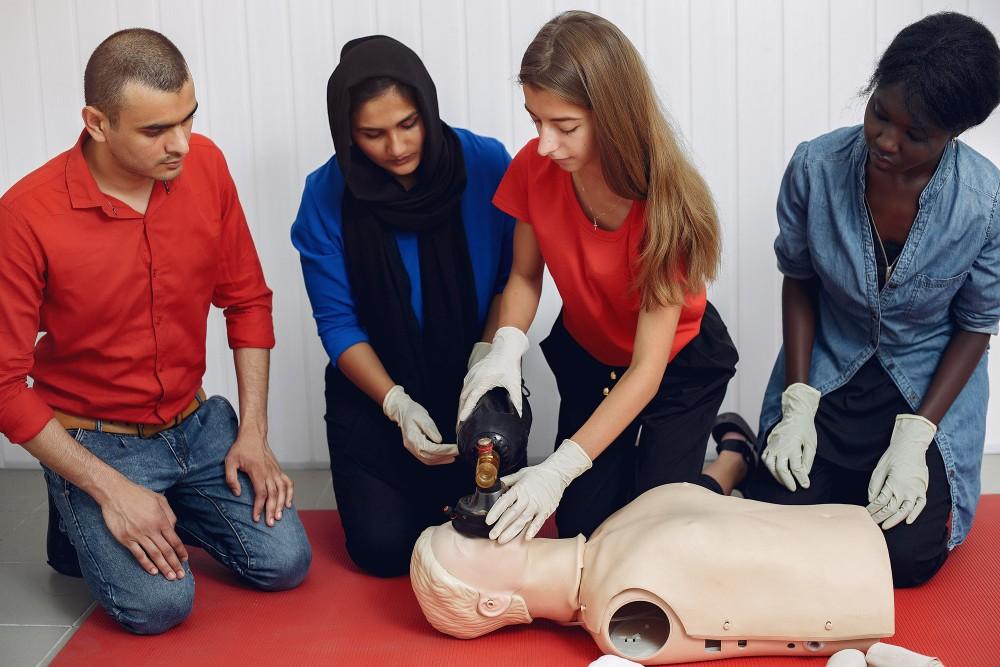
CPR courses are practical and hands-on, usually taught in small groups by certified instructors. Topics typically covered include:
- How to assess an unresponsive casualty,
- The DRSABCD action plan (Danger, Response, Send for help, Airway, Breathing, CPR, Defibrillation),
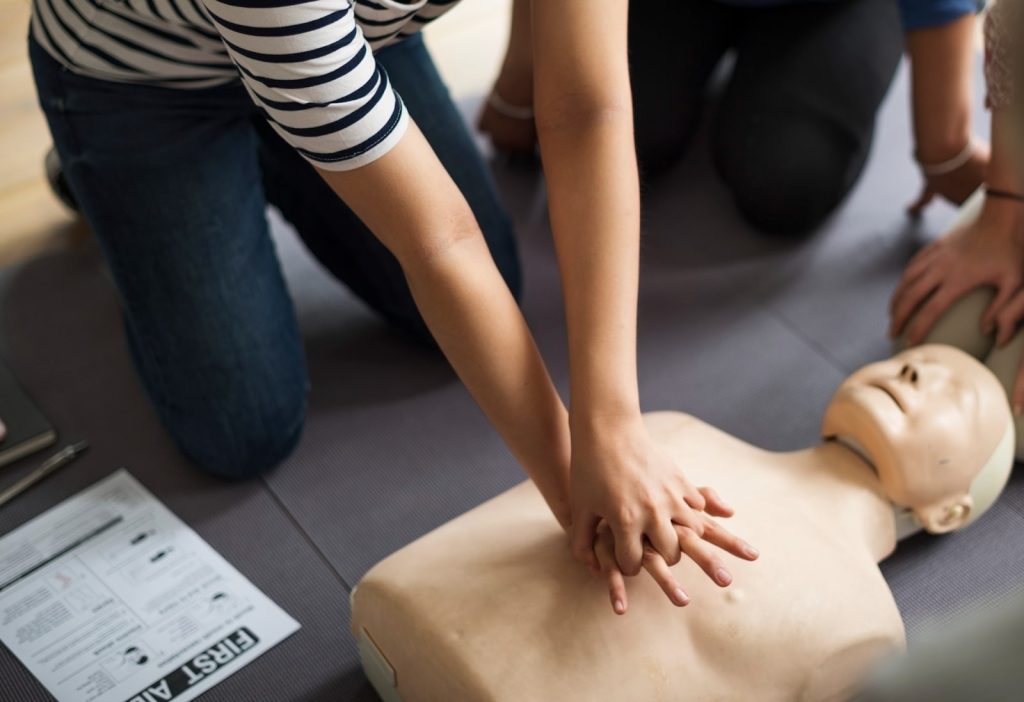
- Proper hand positioning and compression techniques,
- How to perform CPR on adults, children, and infants,
- AED usage and safety procedures,
- Recovery position and aftercare protocols.
Courses generally last 4 to 6 hours, depending on the provider. Participants are assessed through both theory and practical demonstrations, and upon passing, will receive a certification valid for two years.
Where To Take A CPR Course
You can register for CPR and SNR courses through approved centres such as:
- The Singapore Life Saving Society (SLSS),
- Local first aid training providers like the Singapore Red Cross or St John Singapore,
- Community centres and sports associations.
If you’re planning to enrol your child in a full lifeguard programme later on, it’s a great idea to first focus on mastering CPR together. For adults preparing for certification, having a solid understanding of CPR through a well-structured course can significantly boost confidence and readiness for lifeguarding scenarios.

4. Earn The Bronze Medallion
The Bronze Medallion is the core qualification required to become a lifeguard in Singapore. It is widely recognised and awarded by the Singapore Life Saving Society (SLSS), and certifies that you have the strength, skills, and knowledge to respond effectively during aquatic emergencies.
What The Bronze Medallion Covers
This course is designed to build upon your earlier training in Lifesaving 1, 2, and 3, and combines theory, physical endurance, rescue techniques, and first aid awareness into one well-rounded programme.
Key topics covered include:
- Rescuing a drowning person in distress or unconscious,
- Performing land-based and water-based rescues with and without aids,
- Prioritising multiple casualties in an aquatic emergency,
- Dealing with spinal injuries in water,
- Performing CPR and aftercare during emergency response.
The training is both challenging and rewarding, equipping participants with real-life rescue capabilities in a controlled and safe environment.
Physical Tests And Assessments
You will need to pass both theory and practical assessments. Here are some of the physical standards expected:
- Timed swim: Swim 400 metres in under 9 minutes using freestyle or breaststroke.
- Contact tow: Rescue an unconscious casualty 25 metres away and tow them back safely.
- Surface dives: Retrieve objects from the pool floor.
- Lifesaving skills demonstration: Perform multiple types of rescues and use flotation devices efficiently.
- CPR demonstration: Apply correct technique on adult and child manikins.
These tests are supervised by certified assessors, and all practicals are conducted in a safe, supportive setting to help you succeed.
Course Duration And Format
The Bronze Medallion course typically runs over 4 to 6 sessions, often held weekly or across several weekends. Each session lasts between 2 to 3 hours, allowing time for both practice and feedback from instructors.
Training is conducted in swimming pools by qualified lifesaving coaches. Once you pass, you’ll be awarded the Bronze Medallion certification, which is valid for 3 years.
If you’re a parent, this certification is a fantastic goal for a teen who is confident in water. For adults, it’s a major milestone toward working professionally as a lifeguard or simply being prepared in emergency situations.

5. Get Pool Lifeguard Certification
Once you’ve earned your Bronze Medallion, the next step toward becoming a fully qualified lifeguard in Singapore is completing the Pool Lifeguard Certification.
This professional-level course is essential for anyone who wishes to work as a paid lifeguard at public swimming complexes, private clubs, schools, or resorts.
What The Course Covers
The Pool Lifeguard course builds on the core rescue skills you’ve already developed and focuses on realistic workplace scenarios. You’ll learn to handle emergencies in poolside environments where split-second decisions, hazard awareness, and public communication are critical.
Key modules typically include:
- Surveillance techniques: How to monitor swimmers effectively and spot signs of distress early,
- Emergency response: Handling spinal injuries, unconscious casualties, or multiple victims during peak hours,
- Rescue methods: Performing both shallow and deep-water rescues using professional rescue aids,
- First aid and AED use: Offering initial treatment before paramedics arrive,
- Pool safety and regulations: Understanding facility layouts, evacuation procedures, and risk assessments,
- Customer service and communication: Engaging with patrons calmly and professionally during incidents.
Physical And Practical Assessments
Trainees will be expected to demonstrate:
- A 100-metre swim in under 2 minutes 20 seconds,
- Timed rescue of an unconscious casualty from the deep end,
- Proper use of spinal boards, rescue tubes, and throw bags,
- Real-time response to simulated emergencies, including teamwork drills,
- CPR and AED usage in line with current guidelines.
Your fitness, judgement, and teamwork will be evaluated through a combination of practical tests, scenario-based assessments, and oral questioning.
Duration And Requirements
The course is usually conducted over 3 to 5 days, depending on the provider. Training may take place over consecutive days or be split into weekend sessions to accommodate working adults. Participants must:
- Be 16 years or older,
- Hold a valid Bronze Medallion and CPR certification,
- Be medically fit for physical activity.
Once you complete and pass the course, you’ll receive the Pool Lifeguard Licence, which is typically valid for 2 years. Some employers may also require you to complete in-house orientation or emergency procedure briefings before deployment.
This certification gives adults the opportunity to work in Singapore’s aquatic industry or provides a stepping stone for students pursuing part-time jobs with strong responsibility and skill development.

6. Renew First Aid & CPR Periodically
Becoming a certified lifeguard is only the beginning, maintaining your qualifications is just as important. In Singapore, CPR, AED, and first aid certifications must be renewed regularly to ensure lifeguards stay current with lifesaving protocols and remain legally employable.
Why Renewal Is Necessary
Lifesaving techniques evolve over time as new research, equipment, and international guidelines are introduced. Regular renewal helps lifeguards:
- Stay updated on the latest CPR and AED protocols,
- Keep their rescue response skills sharp,
- Ensure legal compliance with employer or regulatory requirements,
- Boost confidence and preparedness for real-life emergencies.
In many cases, employers in Singapore will only hire or retain lifeguards with valid and up-to-date certifications.
Renewal Timeline
The most common renewal periods are:
- CPR Certification: Every 2 years
- AED Certification: Every 2 years
- Standard First Aid Certification (SFA): Every 3 years
- Pool Lifeguard Licence: Every 2 years, with proof of valid CPR and first aid
Lapsed certifications typically require you to retake the course or attend a refresher session, depending on the provider’s policy.
How To Renew
Renewal courses are usually shorter and more focused than the initial training. They often cover:
- Updates to rescue techniques and response protocols,
- Revision of DRSABCD and CPR procedure,
- Re-certification in AED usage,
- Scenario-based first aid training, including dealing with cuts, fractures, burns, and unconscious casualties.
You can register for renewal courses through organisations such as:
- Singapore Red Cross
- St John Singapore
- Singapore Life Saving Society (SLSS)
- Private training providers at pools or community centres
Adults returning to the workforce or older teens preparing for part-time roles should check the expiry date on their certificates and plan renewals early, especially during busy periods like school holidays or lifeguard hiring drives.

7. Explore Lifeguard Job Opportunities In Singapore
Once you’ve completed your training and obtained all the necessary certifications, it’s time to take the leap and apply for lifeguard positions. The process is straightforward, but putting in a little extra effort when preparing your application can go a long way.
Where To Find Lifeguard Jobs In Singapore
In Singapore, certified lifeguards are in demand at various types of facilities:
- Public and Private Swimming Pools: The most common type of lifeguard job.
- Condominiums and Clubs: A more private and often more relaxed setting.
- Water Parks and Adventure Coves: A high-energy environment with unique challenges.
- Schools and Educational Institutions: Working with children and students.
Full-Time vs. Part-Time Roles: Discuss the flexibility of lifeguarding as a career, appealing to students, freelancers, or those looking for a full-time profession.
Career Progression: Beyond the Pool Deck: Briefly touch on potential career paths, such as Head Lifeguard, Pool Manager, or even a swim instructor.
You can start by checking:
- Sport Singapore’s Careers Portal,
- Job platforms such as MyCareersFuture, JobStreet, or FastJobs,
- Direct applications on the websites of hotels and recreational clubs,
- Post notices at your training centre or local pool bulletin boards.
What To Include In Your Application
To improve your chances, tailor your CV and application to highlight your lifesaving skills, certifications, and personal lifeguard skills and qualities that make you suitable for the role. Make sure to include:
- Full name and contact details,
- Valid certifications (e.g. Bronze Medallion, Pool Lifeguard Licence, CPR/AED, First Aid),
- Dates of issue and expiry for each certificate,
- Prior experience (if any) working with children, managing safety, or teaching swimming,
- A short personal statement expressing your commitment to safety and readiness to respond to emergencies,
- Availability, especially for weekend or holiday shifts.
For younger applicants or adults new to the industry, consider adding volunteer work, water sports involvement, or private swimming instruction experience to showcase your reliability and interest in aquatic safety.
Extra Tip
Some employers may also ask you to provide:
- A copy of your medical clearance,
- Your NRIC or work permit details (for part-timers),
- A recent photograph for staff ID cards,
- Character references (optional but helpful, especially for teens and young adults).
Applying with confidence and preparation not only increases your chances of getting hired but also demonstrates that you take the lifeguard’s duties and responsibilities seriously, something employers truly value.

8. Ace The Job Interview & Employer Assessment
Once you’ve submitted your job application, the next step is attending the interview and employer assessment, which are designed to evaluate your readiness for real-world lifeguarding duties.
These steps help employers ensure that every lifeguard on their team meets the necessary physical, technical, and interpersonal standards.
What To Expect At The Interview
Job interviews for lifeguard roles are typically informal but purposeful, focusing on your:
- Certification validity and training background,
- Availability and flexibility to work shifts, weekends, or public holidays,
- Experience working with children, the elderly, or large crowds (if applicable),
- Commitment to safety and public service,
- Ability to respond calmly under pressure.
Be prepared to answer questions such as:
- “How would you respond if a swimmer became unresponsive in deep water?”
- “Can you describe a time you had to deal with a difficult or non-compliant pool user?”
- “How do you stay alert during long shifts?”
You don’t need extensive work experience, especially if you’re a recent graduate or newly certified adult, but demonstrating responsibility, good judgement, and clear communication is key.
Employer Fitness & Skills Assessment
Many employers will also conduct a practical skills test before hiring you. This may include:
- Timed swim test (usually 100–200 metres, freestyle or breaststroke),
- Rescue scenario simulation, where you perform a deep-water rescue using a manikin or a volunteer,
- CPR and AED demonstration on an adult or child-sized dummy,
- Spinal board extraction or unconscious casualty recovery from the poolside,
- Role-play of emergency response procedures, including team coordination and post-incident reporting.
These assessments mirror real emergencies to evaluate your:
- Swimming endurance and technique,
- Speed and efficiency in rescue,
- Calmness and clarity under pressure,
- Familiarity with safety protocols and rescue equipment.
If you’re returning to the workforce or applying as a mature adult, don’t worry, many employers value commitment and reliability just as much as raw fitness, so approach the process with confidence.

9. Duties And Responsibilities Of A Lifeguard In Singapore
After you’ve been hired, you’ll undergo on-the-job training before officially starting your shifts. This induction phase is crucial for familiarising yourself with the facility, its procedures, and your role within the lifeguard team.
Orientation And Safety Briefing
You’ll typically begin with:
- A tour of the pool facilities, including rescue equipment locations, first aid rooms, and emergency exits,
- Review of Standard Operating Procedures (SOPs) such as incident reporting, evacuation protocols, and lost child response,
- A rundown of patrol zones, rotation schedules, and shift responsibilities.
Employers may also conduct short refresher drills in:
- CPR and AED usage,
- Crowd management techniques,
- Handling minor injuries or rule violations.
Some facilities may require you to complete a shadow shift, where you observe experienced lifeguards and learn how to manage responsibilities during busy sessions.
Daily Duties And Expectations
Once you begin regular duty, your daily responsibilities will include:
Morning Routine: Pool Opening and Safety Checks: Detail the first tasks of the day, such as water quality testing, checking rescue equipment, and scanning the pool area for potential hazards.
During Operating Hours: Vigilance and Prevention: This is where you emphasise the core duty of a lifeguard: constant surveillance of the pool and patrons. Discuss scanning techniques and how to identify swimmers in distress.
Specific Duties at Different Pools: Detail how the job can vary depending on the type of life guard pool.
- Public Pools (e.g., ActiveSG): High traffic, diverse crowd of all ages, focus on rule enforcement and managing large numbers of swimmers.
- Condominium/Hotel Pools: Focus on guest service, maintaining a serene atmosphere, and often performing lone-patrol duties.
- Competition/Training Pools: Working with athletes, managing lane discipline, and understanding the risks associated with competitive swimming.
Pool-Specific Rescue Equipment and Scenarios: Identify the essential tools of the trade for any swimming pool lifeguard in Singapore. This includes rescue tubes, shepherd’s crooks, and backboards. You can also describe common rescue scenarios specific to a pool, such as responding to a swimmer who has slipped on the deck or dealing with a spinal injury from a dive in a shallow area.
Responding to Emergencies: From First Aid to Rescue: Explain the different levels of response, from minor cuts and scrapes to performing a full-scale rescue and administering CPR.
Customer Service and Rule Enforcement: Lifeguards are often the first point of contact for patrons. This sub-section can cover the importance of communication skills in enforcing pool rules and providing a safe and enjoyable experience for everyone.
End of Day: Closing Procedures and Reporting: Cover the final tasks, including stowing equipment, final safety checks, and filling out any incident reports.
Working As A Team
Lifeguarding is a team effort. You’ll need to:
- Coordinate with fellow lifeguards during emergencies,
- Rotate stations efficiently,
- Back each other up during peak hours or tricky incidents.
If you’re a parent considering this path for your teen, the job also offers excellent development in discipline, responsibility, communication, and teamwork.
With the right mindset and continuous learning, being a lifeguard is both a meaningful and rewarding role, whether part-time or full-time.
Conclusion About Becoming A Lifeguard In Singapore
Becoming a lifeguard in Singapore isn’t just about swimming well, it’s about committing to a path of continuous training, responsibility, and staying calm under pressure.
From meeting the basic lifeguard skills to earning the Bronze Medallion and Pool Lifeguard certifications, each step prepares you to play a vital role in ensuring water safety in pools, clubs, and public facilities.
If you’re serious about pursuing this rewarding role, start by building a strong swimming foundation.
At JustSwim Singapore, we specialise in private swimming lessons , including swimming lessons for kids and adults . Founded in 2020 by a team of competitive swimmers, triathletes, and certified lifesavers, our coaches bring deep expertise and patience to every lesson.
With our unique teaching approach and personalised lesson plans, you or your child can master the correct swimming techniques while progressing at a comfortable pace.
Visit JustSwim Singapore to learn more or book your first lesson today.
More from the blog
- Swim schools we admire around the world
 SFA Certification in Singapore: What It Covers, How Long It Lasts, and How to Renew
 Occupational First Aid Course Singapore: OFAC and Other Types
 Singapore Life Saving Society (SLSS): Every Certification Explained
 SWOLF Swimming: What It Is, Average Scores & 5 Tips To Improve
Frequently asked questions
Do I Need To Be A Strong Swimmer To Train As A Lifeguard?
Yes, a basic level of swimming proficiency is required to begin lifeguard training. You don’t need to be an elite swimmer, but you must be confident in deep water, able to tread water, and swim distances using efficient strokes.
As you progress through the courses, your swimming stamina and rescue techniques will naturally improve under the guidance of certified instructors.
Can I Become A Part-Time Lifeguard While Studying Or Working?
Absolutely, many students and working adults take on part-time roles as lifeguards. Once certified, you can work flexible shifts at public pools, private clubs, or resorts, often during weekends or school holidays. It’s a great way to earn income while gaining responsibility, staying active, and contributing to public safety.
How Much Does It Cost To Complete Lifeguard Training In Singapore?
The total cost can range between SGD 300 to SGD 600, depending on the training provider and the number of courses required. This usually includes fees for Lifesaving 1/2/3, CPR certification, Bronze Medallion, and Pool Lifeguard courses. Some providers may offer package deals or discounts for students and group sign-ups.
What Is The Difference Between A Pool Lifeguard And An Open Water Lifeguard?
A pool lifeguard is trained to monitor and respond to emergencies within a controlled environment, such as public swimming complexes or private clubs.
An open water lifeguard operates in more unpredictable conditions, such as beaches or reservoirs, and requires advanced training in dealing with waves, currents, and long-distance rescues. The skill sets overlap, but open water roles usually demand higher physical fitness and additional certifications.
Can Foreigners Or Permanent Residents Become Lifeguards In Singapore?
Yes, foreigners and permanent residents can become lifeguards in Singapore, provided they meet the training and legal work requirements.
They must complete the same certifications, such as the Bronze Medallion and Pool Lifeguard Award, and hold valid work permits or employment passes if they intend to work professionally. Many lifeguard employers welcome qualified individuals regardless of nationality, as long as local regulations are followed.
