What does a lifeguard do, and why are they so vital to aquatic safety? Lifeguards are trained professionals responsible for preventing drowning, enforcing safety rules, and responding quickly to emergencies in pools, beaches, and water parks.
Their role goes far beyond simply watching swimmers , it requires sharp observation skills, physical readiness, and the ability to stay calm under pressure. This guide explores what a lifeguard does on duty, the essential responsibilities they carry, and the often-overlooked skills they need.
We’ll also walk you through the required training and certifications to become a qualified lifeguard in Singapore.
Lifeguard vs. Swim Instructor: What’s The Difference In Their Roles?

If you’re considering swimming lessons for yourself or your child, you might assume a lifeguard and a swim instructor serve the same purpose in the pool.
While both professionals play important roles in aquatic environments, their objectives, training, and day-to-day responsibilities are very different , and understanding these differences can help you make the best, safest choice.
Lifeguards are primarily focused on safety and prevention. Their job is to supervise swimmers and identify hazards before they become emergencies. Positioned poolside or at the beach, they keep constant watch over all water users, ready to act immediately in the event of distress, injury, or rule-breaking.
Lifeguards are trained in rescue techniques, first aid, CPR, and using emergency equipment like AEDs. Their role is passive until action is needed , but when it is, speed and accuracy are critical.
In contrast, swim instructors are educators. Their goal is to teach swimming techniques, water confidence, and stroke development. Swim instructors work directly with students , often in the water , guiding them through structured lessons tailored to skill level, age, and learning pace.
They focus on building ability over time through explanation, demonstration, and encouragement. Swim instructors are trained in swim pedagogy, lesson planning, and often hold separate certifications from governing bodies such as the Swim Schooling Association or SportSG.
The two roles also differ in terms of interaction and focus. A swim instructor may be in close contact with a small group of learners, providing hands-on guidance, while a lifeguard monitors the entire pool or beach area, often with minimal direct engagement.
Importantly, a swim instructor is not responsible for the general safety of the pool or all its users , that’s the lifeguard’s job.
It’s also worth noting that not all swim instructors are lifeguards, and not all lifeguards are qualified to teach swimming. While some professionals do hold both qualifications, especially in private swim schools, it’s essential to check the credentials of the person leading a lesson or supervising an aquatic session.
For parents or adults seeking swimming lessons, knowing this difference ensures your instructor is focused on teaching effectively, while a separate trained lifeguard is overseeing safety. Both roles are vital , but they are not interchangeable.
Duties And Responsibilities Of A Lifeguard

Lifeguards are more than just watchful eyes by the water, they are trained professionals whose daily responsibilities combine vigilance, prevention, and emergency response.
Their presence is critical to maintaining a safe environment for all swimmers, especially in public pools, beaches, and private swim facilities. From monitoring swimmer behaviour to using lifesaving equipment and enforcing poolside rules, lifeguards must stay alert, ready, and prepared at all times.
Below, we break down the core duties lifeguards perform to protect both children and adults in the water.
Continuous Surveillance Of Swimming Areas
The primary responsibility of any lifeguard is to maintain uninterrupted surveillance over their assigned area. This is not a passive task.
Lifeguards are trained to scan constantly, using structured methods such as the 10‑/20‑protection standard, where they must spot a struggling swimmer within 10 seconds and reach them within 20 seconds.
Their attention must cover every corner of the pool or beach, including blind spots, shallow zones, and deep ends.
Signs of distress can be extremely subtle, silent bobbing, glassy eyes, or an unusual posture in the water, so lifeguards must rely on sharp observation skills and stay fully focused, often for hours at a time.
During quieter periods, mental fatigue can set in, which is why many lifeguards are trained to rotate positions, take regular breaks, and use scanning patterns to stay alert. For parents enrolling their children in kids’ swim lessons, knowing a vigilant lifeguard is on duty provides vital peace of mind.
Using Rescue Equipment
Lifeguards don’t rely on instinct alone, they’re equipped with professional rescue tools that can make the difference between a close call and a life saved. Some of the most common tools include:
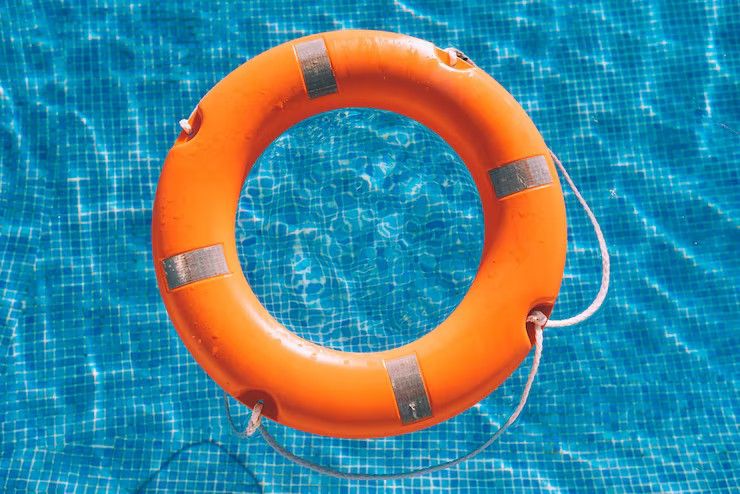
- Rescue tubes or buoys – flexible flotation devices used to support both the victim and the rescuer during water retrieval.
- Backboards – used when spinal injuries are suspected, allowing lifeguards to immobilise and safely extract a swimmer from the water.
- Rescue cans – rigid flotation devices used in open water rescues, particularly in surf environments.
- AEDs (Automated External Defibrillators) – life-saving devices used during cardiac emergencies, often found poolside and in training kits.
Lifeguards undergo hands-on training to deploy these tools effectively under pressure. Each item must be used swiftly, safely, and according to protocol. Parents and adult learners can feel reassured knowing these tools, and the lifeguards who use them, are key components in a highly prepared safety system.
Responding To Emergencies
When a swimmer is in distress, every second matters. Lifeguards are trained to act immediately and follow strict emergency response protocols.
This starts with a quick and safe approach, often while carrying a rescue tube or signalling for assistance. Once contact is made, the lifeguard uses calming communication and physical support to bring the person back to safety.
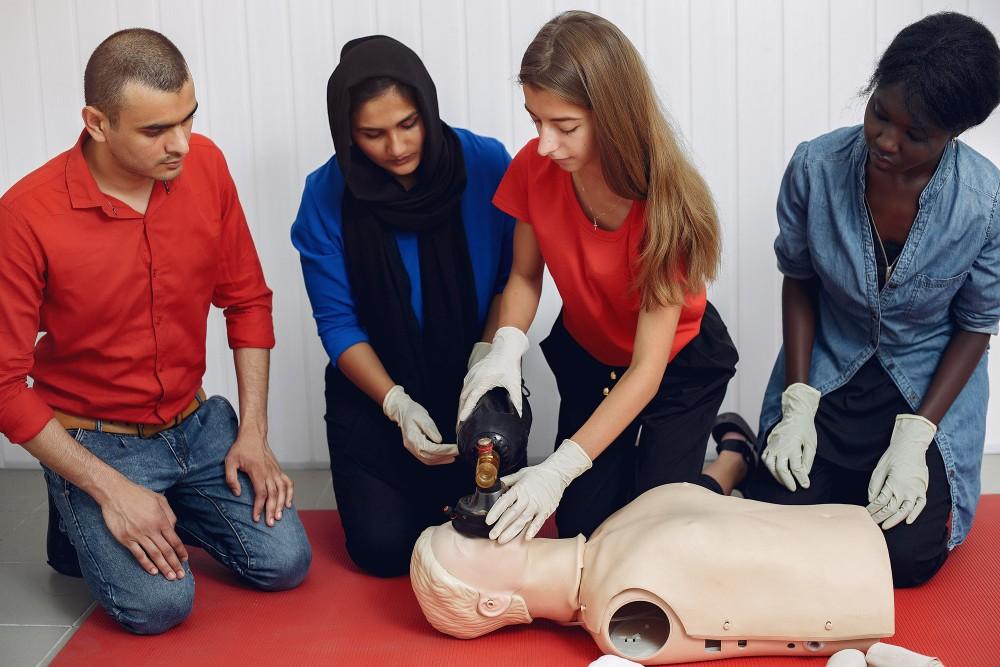
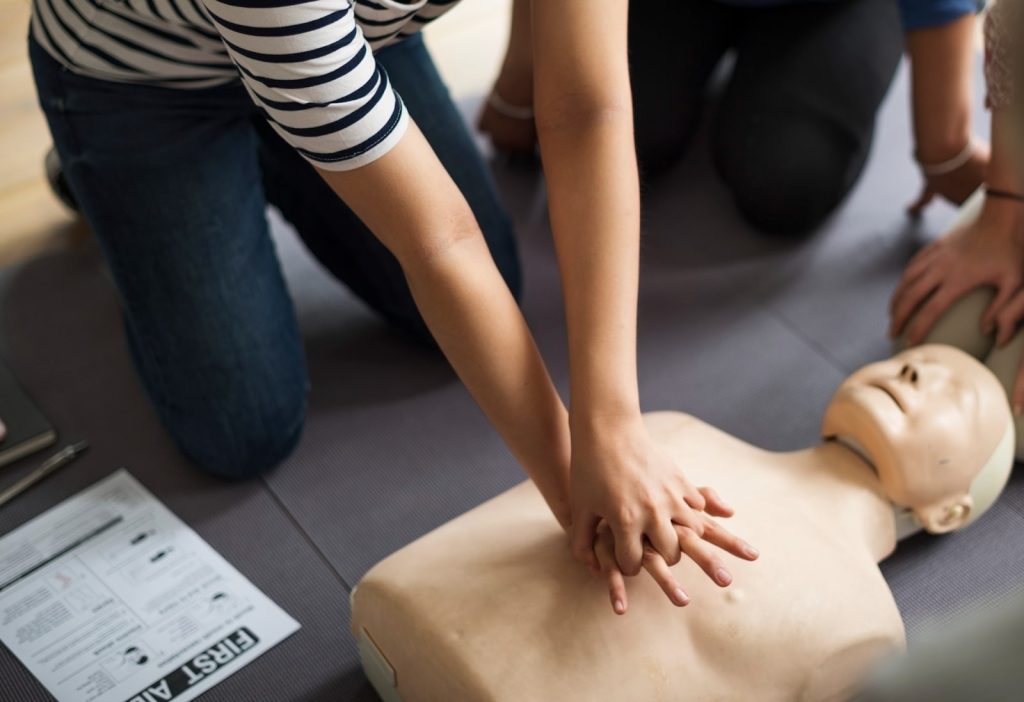
In more serious cases, lifeguards may need to perform CPR, administer rescue breaths, or use an AED. They’re also trained to manage spinal injuries, seizures, and near-drowning incidents.
Part of this response includes activating the facility’s Emergency Action Plan (EAP), a coordinated protocol that may involve alerting emergency services, clearing the pool, or delegating tasks to other staff members.
Training for these scenarios is rigorous and repeated regularly, so responses become instinctual and efficient. For adults enrolling in lessons or bringing children to swim, knowing a trained responder is on-site adds an essential layer of protection.
Enforce Safety Rules And Regulations

A large part of preventing emergencies is making sure swimmers follow established safety rules. Lifeguards play an active role in educating pool users about guidelines, such as no diving in shallow water, no running on wet surfaces, and obeying lane discipline or depth restrictions.
They are also trained to intervene confidently and respectfully when risky behaviour is observed. This might include stopping rough play, reminding a child to stay within the shallow end, or asking a parent to supervise their toddler more closely. The goal is not to punish but to maintain a safe and enjoyable environment for everyone.
Good lifeguards balance authority with approachability. For adults or parents booking lessons, this means your swimming environment is not only secure but also positively managed.
Observing Weather And Water Conditions
Lifeguards don’t just watch the swimmers, they also keep a close eye on environmental factors that could affect safety.
For beach lifeguards, this means monitoring tide schedules, wave height, rip currents, and sudden changes in weather, such as incoming storms or lightning risks. Before swimmers even arrive, lifeguards assess water quality and flag hazards like jellyfish sightings or sharp rocks.
At indoor and outdoor pools, lifeguards observe pool clarity, water temperature, and chemical levels, often in coordination with facility managers.
Cloudy water can obscure visibility and delay rescue response, so it’s vital that the pool remains clear. In the case of thunderstorms or lightning in the area, lifeguards are trained to evacuate swimmers and delay re-entry until conditions are safe.
Providing Safety Instructions
A key part of a lifeguard’s job is educating swimmers on how to stay safe in the water. This goes beyond just blowing a whistle, they’re often the first point of contact for visitors, offering verbal safety briefings, answering questions, and guiding newcomers through pool or beach protocols.
For example, a lifeguard may explain why diving is not allowed in the shallow end, or remind a group of children about lane etiquette during a shared swim session.
Before swimming lessons begin, lifeguards may brief both adults and children on emergency signals, exit routes, and how to seek help if needed. They’re also trained in clear, calm communication, especially important when addressing young swimmers or non-native English speakers.
For families considering lessons, a lifeguard’s presence ensures that safety expectations are understood from the start, creating a positive and well-managed swimming experience.
Perform Regular Facility Maintenance
In addition to monitoring the water, lifeguards often play a hands-on role in maintaining a clean and safe facility.
Their daily routine can include checking rescue equipment (like buoys, backboards, and AEDs) to ensure everything is in working order, and inspecting ladders, railings, or diving boards for any signs of wear or damage.
Lifeguards may also be responsible for cleaning pool decks, removing debris, ensuring proper signage is in place, and reporting issues like slippery tiles or faulty lighting to facility supervisors.
These behind-the-scenes tasks may not be visible to patrons, but they are crucial in keeping the environment safe and functional for all users.
For adults booking lessons or bringing their children to swim, these maintenance checks are part of what makes a facility not only enjoyable but trustworthy.
Top 5 Lifeguard Skills You Didn’t Know They Needed

While most people associate lifeguarding with strong swimming ability and emergency response, the very best lifeguards possess a unique set of soft skills that are often overlooked. These subtle abilities make all the difference between simply reacting to problems and actively preventing them.
From visual scanning techniques to emotional control under pressure, here are five crucial skills that separate competent lifeguards from exceptional ones, especially important for parents or adults considering swim lessons in well-supervised environments.
1. Peripheral Vision & Situation Anticipation
Lifeguards must see more than just what’s in front of them. Strong peripheral vision enables them to monitor wide areas of activity, spotting subtle movements, sudden splashes, or drifting swimmers even at the edge of their field of view. But it’s not just about seeing, it’s about anticipating.
By studying patterns in swimmer behaviour, such as someone straying too far from the shallow zone or signs of fatigue in a child, experienced lifeguards can predict and intervene before an emergency develops.
They also keep track of group dynamics, noticing when a game of catch turns into risky horseplay or when one child appears unsupervised in the deep end. This kind of proactive awareness ensures potential dangers are managed early, long before the whistle ever needs to be blown.
2. Silent Multitasking Under Pressure
Lifeguards rarely focus on just one thing at a time. They must continuously multitask without disrupting their primary role, supervision.
While scanning the water, they may also be tracking time for swim rotations, checking pool chemical readings, assisting patrons with questions, or maintaining clear communication with other staff.
The real challenge lies in doing all this silently and efficiently, especially during high-traffic periods like school holidays or weekend swim sessions.
Lifeguards must process several inputs at once while staying fully alert. This ability to compartmentalise duties without losing sight of their surroundings makes them invaluable, particularly in facilities where multiple age groups and activities occur simultaneously.
3. Quick Conflict De-Escalation & Customer Service

Not every issue in the water is an emergency, sometimes, it’s a disagreement over lane usage or a child refusing to follow rules. Lifeguards are often the first to address conflict and must do so calmly and assertively. This requires a delicate balance of authority and empathy.
For instance, when a swimmer is warned for unsafe behaviour, the lifeguard must enforce the rule firmly, yet respectfully, to avoid confrontation.
They may also need to comfort a distressed child, reassure concerned parents, or handle misunderstandings with tact. Clear, confident communication is key, especially in diverse environments where English may not be every patron’s first language.
These interactions build trust and foster a safer, more cooperative swimming experience for everyone involved.
4. Reading Environmental Cues & Water Dynamics
At outdoor pools and beaches, water conditions can change rapidly. Lifeguards are trained to read environmental cues, such as shifting wind patterns, water clarity, or increasing wave activity. These signs often hint at bigger risks: riptides, incoming storms, or sudden drops in visibility.
In the sea, an experienced lifeguard can detect rip current formations, the direction of water flow, or swimmers unknowingly drifting away from shore. At pools, they may notice when chlorine levels affect water quality or if sunlight glare creates blind spots during scanning.
This situational awareness allows lifeguards to adjust their positioning, raise warning flags, or clear swimmers from risky zones, ensuring the environment remains controlled and safe.
5. Emotional Resilience & Stress Management
Lifeguarding can be mentally intense, especially during emergencies or prolonged periods of high alert. Lifeguards must possess strong emotional resilience, the ability to stay calm, think clearly, and take immediate action without panic.
Even after a rescue or critical incident, lifeguards must return to duty quickly and resume watch over other swimmers.
The emotional weight of their responsibility, combined with physical fatigue, demands robust stress management. Many undergo regular debriefs, mental health training, or peer support sessions to cope with high-stress moments.
For adults enrolling themselves or their children in swimming programmes, knowing that on-duty lifeguards are trained to stay composed, even in life-threatening situations, offers invaluable reassurance.
What Training Is Required To Become A Lifeguard In Singapore?

Becoming a certified lifeguard in Singapore involves more than being a strong swimmer. Lifeguards must complete a structured series of certifications, pass physical fitness tests, and continue to sharpen their skills through regular training.
If you’re a parent seeking swimming lessons for your child or an adult exploring a career or part-time role in aquatic safety, understanding this pathway offers insight into the professionalism and readiness expected of every lifeguard in Singapore. Here’s a step-by-step guide to the full training process.
Lifesaving 123 Awards (SLSS Lifesaving 1, 2 & 3)
The journey begins with the Lifesaving 123 Awards, a series of three progressive courses conducted by the Singapore Life Saving Society (SLSS). These foundational awards teach essential water safety and rescue skills, including:
- Basic rescue techniques using reach and throw methods
- Non-contact rescues to avoid putting the rescuer at risk
- Safe approaches and defensive tactics in the water
- Simulated rescue scenarios to develop good judgment and response speed
Each level builds on the last, with increasing difficulty and expectations. Candidates learn how to assess risk, perform land-based and shallow-water rescues, and develop confidence in handling distressed swimmers.
Completing Lifesaving 3 is a prerequisite for moving on to more advanced qualifications like the Bronze Medallion.
Bronze Medallion Award (SLSS Bronze Medallion)
The SLSS Bronze Medallion is a core certification that every aspiring lifeguard must earn. This award marks the transition from basic lifesaving to professional-level lifeguarding and focuses on:
- Swimming stamina tests, such as a timed 400m swim using a combination of strokes
- Survival and contact rescues involving unconscious or panicked victims
- Rescue scenarios with multiple casualties
- Resuscitation techniques and basic first aid
- Assessment of hazards in open water and pool environments
The Bronze Medallion is both physically and mentally demanding, ensuring that candidates have the strength, confidence, and awareness needed to intervene effectively during real-life emergencies.
For adults and parents, this qualification serves as assurance that any certified lifeguard overseeing your swim class has undergone rigorous training.
CPR & First Aid Certification

To handle a broad range of medical incidents, lifeguards must also obtain CPR and First Aid certification from recognised providers such as the Singapore Red Cross or St John Singapore. These certifications typically include:
- Cardiopulmonary resuscitation (CPR) for adults, children, and infants
- Use of automated external defibrillators (AEDs)
- Management of wounds, burns, fractures, and heat-related injuries
- Choking rescue techniques
- Assessment and stabilisation of unconscious individuals
These life-saving procedures are critical during aquatic and poolside incidents, especially in the precious minutes before professional medical help arrives. Regular renewal (usually every 2 years) is required to maintain an active certification.
National Lifeguard Qualification (Pool Lifeguard Award)
Once candidates complete the earlier stages, they may proceed to earn the Pool Lifeguard Award, part of Singapore’s recognised National Lifeguard Qualification framework. This award is the standard for employment in both public and private swimming facilities, including:
- Community pools
- Hotel pools
- Swim schools
- Country clubs
- Private condominiums
This qualification builds on previous training with advanced rescue drills, pool management knowledge, communication skills, and emergency action planning.
Candidates must demonstrate competence in supervised surveillance, incident management, and real-time emergency simulation. This award ensures that lifeguards on duty can not only perform rescues but also manage an entire facility’s safety response.
Ongoing In‑Service Training & Recertification
The learning doesn’t stop after certification. Lifeguards in Singapore are expected to undergo ongoing in‑service training to keep their skills sharp and stay updated with the latest safety protocols. This includes:
- Routine rescue drills and fitness tests
- Scenario-based training involving multiple victims or high-risk situations
- Refresher courses for CPR, AED, and First Aid
- Periodic assessments of scanning techniques and judgement
Most lifeguards are required to recertify every 2 years, depending on their workplace’s policies and the governing body’s requirements. For parents and adult learners, this continuous development means you can trust that the lifeguards on-site are consistently prepared, not just on paper, but in real-world readiness.
Conclusion About The Duties Of A Lifeguard
Lifeguards play a crucial and demanding role in every aquatic environment. Their day-to-day responsibilities go far beyond sitting at a high chair, they must maintain constant vigilance, enforce safety rules, manage emergencies calmly, and execute rescues with precision.
What many don’t realise is that lifeguards rely on more than just physical skill; they also need sharp observation, multitasking under pressure, and the emotional resilience to remain composed in high-stress situations.
If learning to swim with safety in mind is your goal, for yourself or your child, JustSwim Singapore is here to help.
Founded in 2020 during the Covid-19 period by a team of passionate coaches including competitive swimmers, triathletes, and lifesavers, JustSwim specialises in private swimming lessons, from kids’ swimming lessons to adult classes, that prioritise safety, progression, and enjoyment.
With patient, experienced instructors and a unique, fun teaching approach, we tailor every lesson to your needs, no matter your age or experience level.
Book a lesson with JustSwim Singapore today, and take the first step towards confident, safe swimming for you or your child.
Frequently Asked Questions About The Duties Of A Lifeguard
Does A Lifeguard Need To Know How To Use An AED?
Yes, lifeguards are trained to use an Automated External Defibrillator (AED) as part of their basic life support skills. The AED is a vital tool in cardiac emergencies, especially when a swimmer suffers sudden cardiac arrest.
In many lifeguard certification courses, such as those in Singapore, AED training is combined with CPR and First Aid to ensure lifeguards are fully prepared to respond quickly and effectively in a life-threatening situation.
Are Lifeguards Allowed To Discipline Swimmers Who Break Rules?
Yes, lifeguards are authorised to enforce pool or beach rules to maintain safety for all patrons. While they do not carry out formal punishment, they can issue warnings, instruct swimmers to leave the water, or escalate the matter to facility management if necessary.
Their role includes proactive communication and conflict prevention, especially when dealing with unsafe behaviour such as running on slippery surfaces or ignoring lifeguard instructions.
Can Lifeguards Work Internationally With The Same Certification?
Not always. Lifeguard certifications are often specific to the issuing country or governing body, and international employers may require local accreditation or a recognised equivalent.
However, many countries have conversion programmes or accept certain widely recognised qualifications, such as those from the Royal Life Saving Society (RLSS), Red Cross, or International Life Saving Federation (ILS), depending on their own standards.
When Do Lifeguards Intervene With Swimmers?
Lifeguards are trained to intervene at the first sign of potential danger, not just when a swimmer is visibly struggling.
This includes behaviours such as prolonged breath-holding, rough play, fatigue, or swimmers moving into deep water beyond their skill level. Early intervention helps prevent emergencies and ensures a safer aquatic environment for everyone.
Can Lifeguards Perform Rescues Without Entering The Water?
Yes, in fact, lifeguards are trained to attempt a non-entry rescue first, whenever possible. This may include using reaching poles, throwing flotation devices, or giving voice commands to guide the swimmer to safety.
Entering the water is only done when absolutely necessary, as it increases risk to both the rescuer and the victim.