
Swimming lessons are a vital part of teaching kids water safety and building lifelong confidence. But many parents eventually ask, “When is it okay to stop swimming lessons?” The answer depends on your child’s progress, interest, and readiness.
While some kids thrive with continued instruction, others may show signs they’re ready to move on. In this article, we’ll explore 15 key indicators that can help you decide if it’s time to pause or stop swim classes.
From skill mastery to emotional readiness, understanding these signs will help you make the right call for your child’s swimming journey.
1. Reluctant Or Resistant To Attend Lessons

If your child regularly complains, stalls, or becomes visibly anxious before a swim class, it may be more than just a passing mood. While occasional reluctance is normal, consistent resistance could signal emotional fatigue, a loss of interest, or a lack of motivation.
It’s important to explore the root cause: is your child overwhelmed by the pace, feeling socially uncomfortable, or simply not enjoying the learning environment anymore? Open conversations can help uncover whether the resistance stems from a deeper issue or a genuine readiness for a break.
If their skills are already at a confident level, a temporary pause may be just what they need to rediscover enjoyment in the water later on.
2. Shows Signs Of Burnout Or Fatigue
Swimming is physically demanding, especially when combined with school, homework, and other extracurricular activities. If your child appears constantly tired, complains of sore muscles, or lacks enthusiasm for lessons they once enjoyed, it may be a sign of burnout.
Burnout can reduce progress, affect motivation, and even lead to a negative association with swimming. Instead of pushing through, consider whether a short break or a change in routine might help.
Allowing time to rest or pursue other interests can restore energy levels and make the return to swimming more positive and productive.
3. Has Mastered Basic Swim Skills
Once your child has developed strong foundational swimming skills, it might be time to consider ending formal lessons.
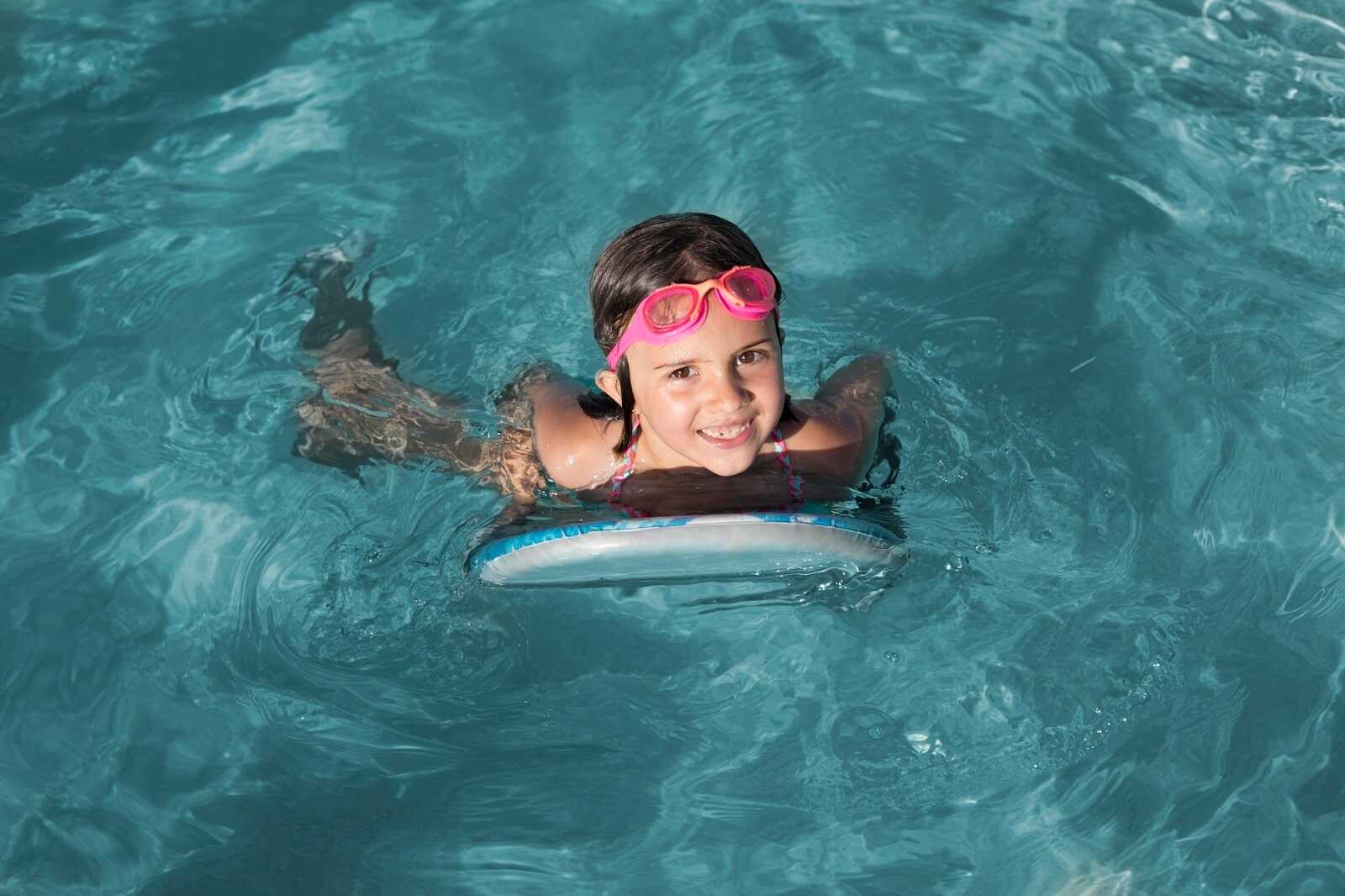
Mastery of basics typically includes being able to swim several metres using multiple strokes (e.g., front crawl, backstroke, or breaststroke), floating on their back, treading water, and safely entering and exiting the pool.
They should also feel confident in both shallow and deep water, demonstrating good breath control and the ability to recover from a fall into the pool.
If these skills are in place, and your child enjoys swimming recreationally, ongoing structured lessons may no longer be essential. Instead, occasional swim practice or joining a club for fun can help maintain their abilities without formal instruction.
4. Confident With Water Safety Techniques
When your child demonstrates a solid grasp of essential water safety skills, it may indicate they are ready to step away from formal swim instruction.
These skills include being able to tread water for an extended period, floating independently, entering and exiting the pool safely, and responding calmly in unexpected situations, such as slipping into the water or getting splashed in the face.
Confidence in water safety doesn’t just mean being able to swim; it means knowing how to stay composed and make smart choices in and around the pool.
If your child can apply these techniques consistently and without prompting, a structured lesson may no longer be necessary. Instead, the focus can shift to maintaining these skills through regular recreational swimming.
5. Appears Bored Or Disengaged
If your child starts showing signs of boredom, zoning out during class, not responding to instruction, or completing drills with little effort, it may be time to reassess. Boredom often suggests that the material is no longer mentally stimulating or physically challenging.
This can happen if your child has been placed in a class below their current ability or if progress has plateaued despite their readiness to advance. It’s also possible they’ve simply lost interest due to repetition or lack of personal goals.
In these cases, it might be worth considering either moving up to a more advanced class, trying a different instructor, or taking a short break to rekindle motivation. A temporary pause can help your child return with renewed interest or decide if they’re ready to move on altogether.
6. Prefers Other Activities Over Swimming
As children grow and develop new interests, it’s natural for their priorities to shift. If your child begins to choose football, music, art, or other hobbies over their swimming lessons, especially if it’s a consistent preference, it could be a sign that their enthusiasm for swimming has faded.
This doesn’t mean their swimming journey is over, but it may indicate that it’s time to step back and allow them space to explore other passions. Forcing them to continue when their heart isn’t in it can lead to resentment or resistance.
Instead, allowing flexibility can create a more positive relationship with swimming in the long run. If they’ve already gained essential water safety skills, there’s no harm in focusing on new pursuits and returning to swimming later if the interest resurfaces.
7. Comfortable In Different Water Settings
A clear sign your child might be ready to pause swimming lessons is when they feel at ease in a variety of water environments. This includes not only the familiar swimming pool but also open water such as lakes, calm seas, or even water parks.
Comfort in different settings shows adaptability and confidence, as these environments often present unique challenges like waves, currents, or varying depths. If your child can confidently enter, swim, and exit water in diverse conditions, they have likely developed strong skills and situational awareness.
This versatility means formal lessons may no longer be necessary, and your child can safely enjoy recreational swimming in many places.
8. Met Personal Or Family Swim Goals
Many families set specific objectives when starting swimming lessons, such as learning to float, mastering a stroke, or preparing for a school swim team. When these goals are achieved, it’s natural to reassess the need for continued lessons.
Celebrating milestones like completing a beginner’s course, confidently swimming a set distance, or passing a recognised swim proficiency test can signal readiness to take a break. Meeting these targets provides a sense of accomplishment and can boost your child’s confidence in the water.
After reaching these goals, swimming can transition from structured learning to casual enjoyment or maintenance, allowing your child to consolidate their skills at their own pace.
9. Busy Schedule Conflicts With Lessons
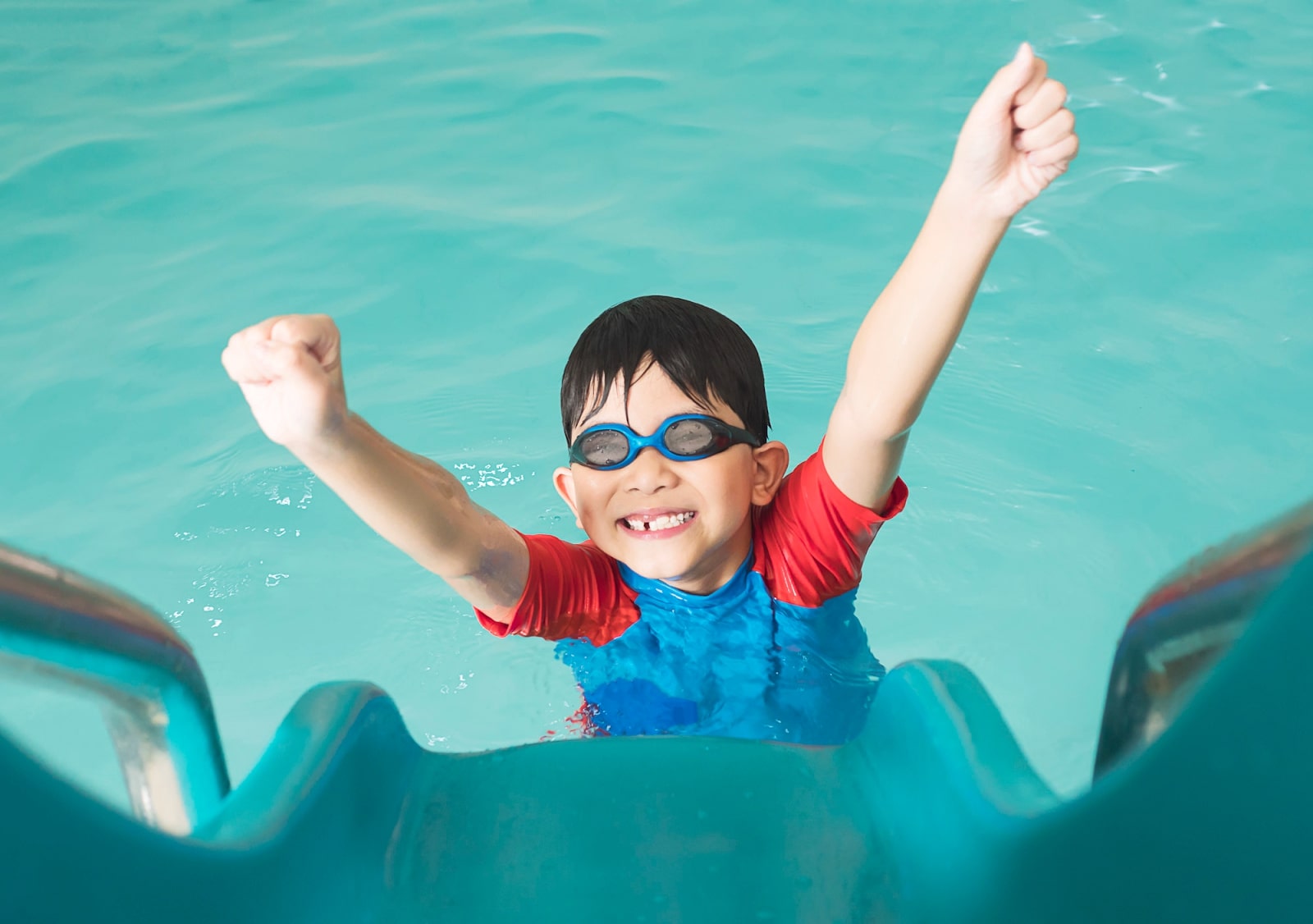
Modern family life is often busy and unpredictable, making it challenging to fit swimming lessons into packed schedules. If your child or family frequently misses lessons due to other commitments like school activities, sports, or family events, it may be practical to pause lessons temporarily.
Inconsistent attendance can hinder progress and reduce the effectiveness of lessons, which may lead to frustration for both child and parent.
Taking a break during particularly hectic periods helps maintain swimming as a positive experience rather than a stressor. Once the schedule allows, lessons can be resumed with renewed focus and enthusiasm.
10. Needs Physical Rest Or Recovery
Swimming is a physically demanding activity that requires endurance, strength, and coordination. If your child shows signs of physical fatigue, persistent soreness, or minor injuries, it’s important to consider allowing time for rest and recovery.
Pushing through tiredness can lead to burnout or even injury, which may set back progress more than a short break would. Physical rest also helps the body rebuild and improves overall performance when lessons resume.
This downtime can be used for gentle activities or light stretching to maintain mobility without the strain of full swim sessions.
11. Emotionally Mature Around Water
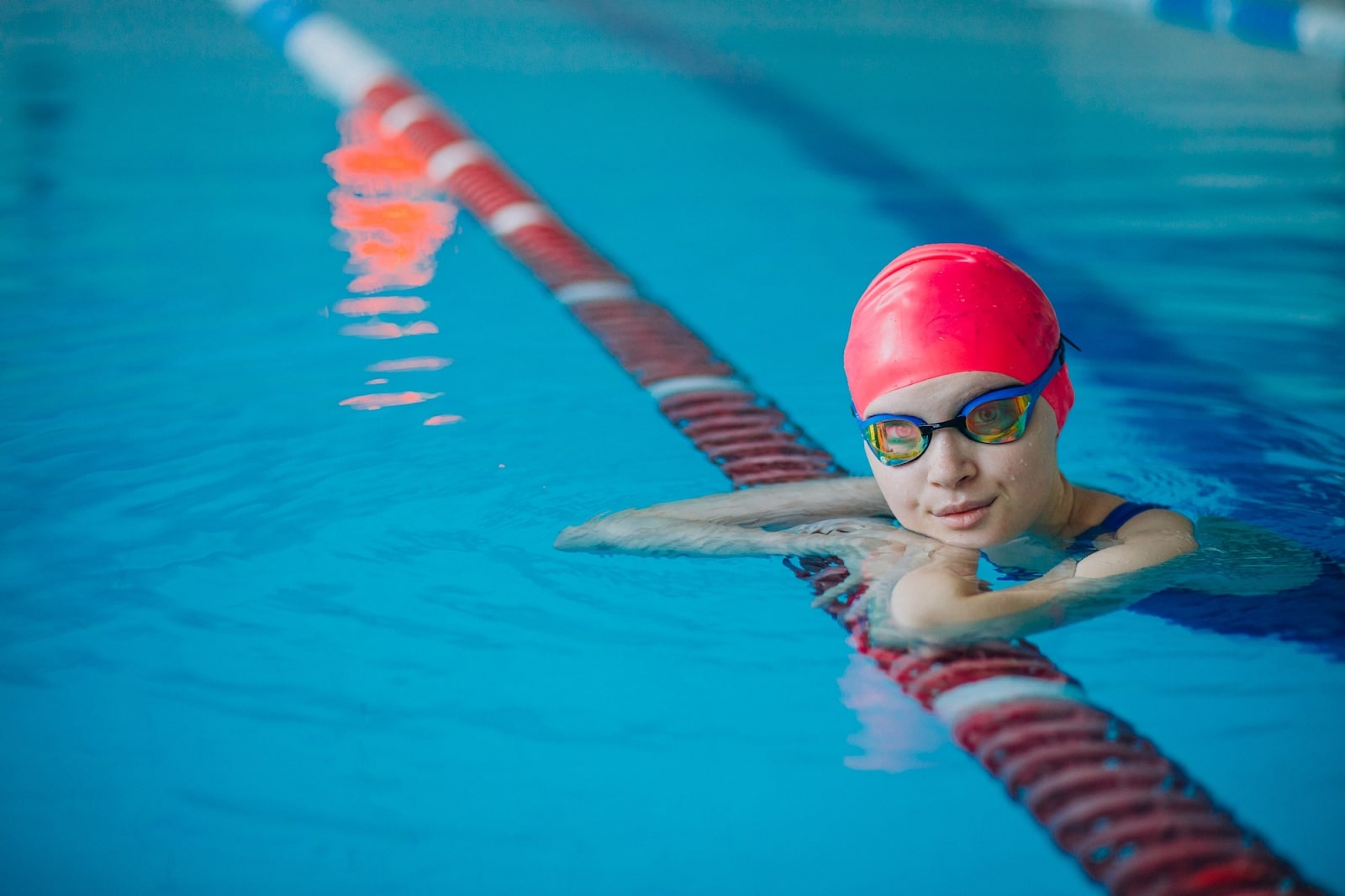
Emotional maturity is an important factor in deciding when to stop swimming lessons. Children who understand and respect water safety rules, remain calm in unexpected situations, and listen carefully to instructions show readiness for less supervised swimming.
This maturity also means they can better judge their limits and communicate effectively if they feel uncomfortable or tired in the water.
Emotional readiness helps prevent risky behaviour and builds confidence, allowing your child to enjoy swimming more independently. When your child exhibits these qualities consistently, formal lessons may no longer be essential.
12. Strong Grasp Of Swim Techniques
A solid command of swimming techniques is a key indicator that a child might be ready to pause lessons. This includes proficient execution of core strokes like freestyle, backstroke, and breaststroke with correct breathing and body positioning.
Additionally, skills such as efficient turns, streamlined glides, and controlled breathing patterns contribute to a swimmer’s overall competence. Having a strong technical foundation reduces the risk of developing bad habits and increases safety in the water.
When your child consistently demonstrates good technique, lessons can shift focus from learning basics to maintenance and enjoyment.
13. Asks For A Break From Lessons
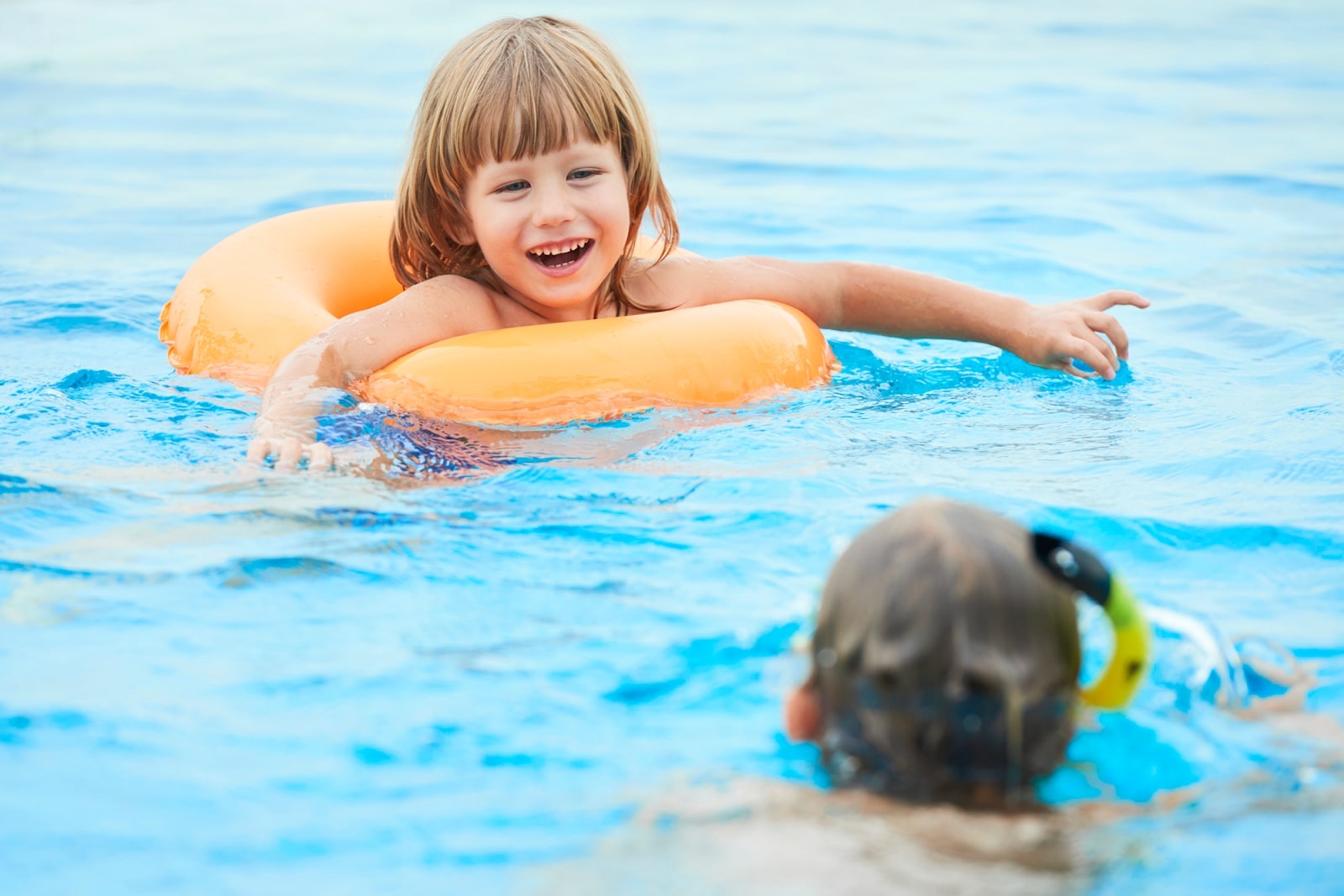
One of the clearest signs your child might be ready to stop swimming lessons is when they themselves request a break. Children often sense when they need time off due to tiredness, loss of interest, or other commitments.
Respecting their feelings can help avoid resentment and keep swimming a positive experience. Having an open conversation about their reasons can also provide insight into whether the break should be temporary or more permanent.
Supporting your child’s wishes encourages autonomy and helps maintain a healthy attitude towards physical activity in the long term.
14. Instructor Recommends A Pause
Professional instructors have valuable insight into your child’s progress, motivation, and overall well-being. If a coach suggests pausing lessons, it’s worth considering their advice seriously. This recommendation may come after observing signs of burnout, plateauing skills, or a need for more rest.
Instructors may also suggest a break to allow your child time to absorb learned skills before moving on to more advanced techniques. Trusting the expertise of your child’s swim teacher can ensure lessons remain productive and enjoyable.
15. Family Logistics Make Lessons Hard
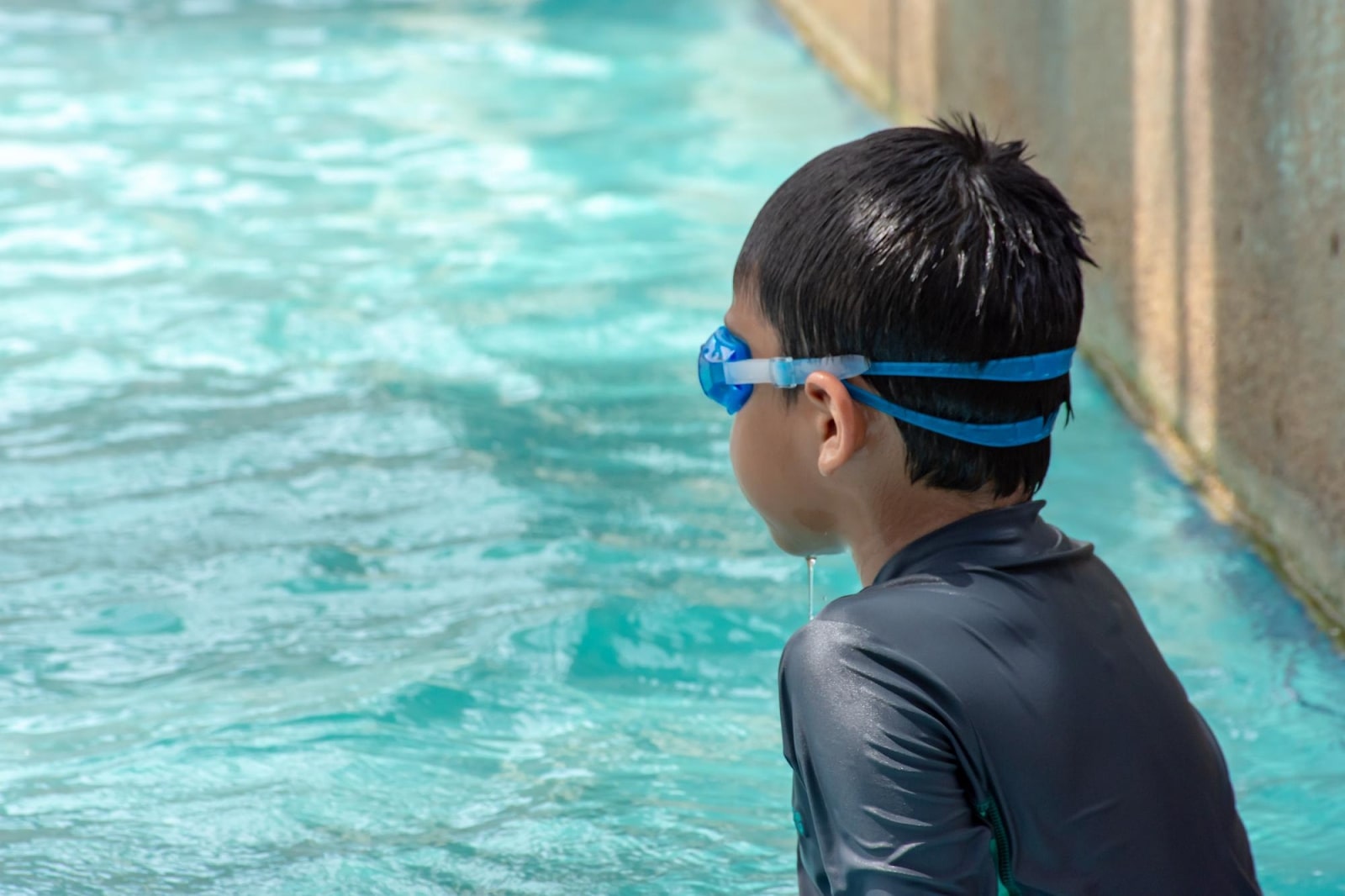
Life can become hectic, and sometimes family schedules simply don’t align with swim lesson times. Difficulty in arranging transport, conflicting commitments, or financial constraints can all make continuing lessons challenging.
If these logistical issues cause stress or frequent cancellations, it may be sensible to pause lessons temporarily.
This break can relieve pressure on both parent and child, ensuring that when lessons resume, they are approached with full attention and enthusiasm. Finding a more suitable time or format in the future can help maintain swimming as a positive part of your family’s routine.
Conclusion About Knowing When To Stop Swimming Lessons
Recognising the right time to stop swimming lessons is not about quitting, it’s about assessing readiness. If your child has developed solid swimming techniques, demonstrates confidence in the water, and no longer feels challenged or engaged, it may be the perfect moment to take a break.
Pay close attention to their physical and emotional cues, and when in doubt, speak with their instructor. Stopping at the right time can prevent burnout and keep their love for swimming alive.
If you’re looking for a professional, personalised approach to swimming, consider JustSwim Singapore. Founded in 2020 by a passionate team of competitive swimmers, triathletes, and lifesavers, JustSwim specialises in private swimming lessons, from kids’ swimming lessons to adult classes. We believe smaller class sizes help learners stay focused, progress faster, and enjoy the process more.
At JustSwim, our experienced coaches are patient, supportive, and committed to helping you master your strokes, they don’t leave the pool until you do. Our unique teaching approach blends technical precision with fun, and we tailor lesson plans to suit every age and ability, from toddlers to retirees.
Whether you’re starting from scratch or refining your technique, JustSwim Singapore offers a safe, structured, and enjoyable environment for all swimmers. Reach out to us today and discover how effective swimming lessons can truly be.
Frequently Asked Questions About Knowing When to Stop Swimming Lessons
What Swimming Level Should Be Reached Before Taking A Break?
Before pausing swimming lessons, your child should ideally be able to swim at least 50–100 metres confidently using proper technique.
They should also demonstrate water safety skills such as treading water, floating unassisted, and swimming in both shallow and deep water. These abilities indicate a strong foundation and reduce the risk of skill regression during a break.
Are Private Lessons More Effective Than Group Lessons Before Stopping?
Yes, private lessons can be more effective, especially in the lead-up to stopping formal instruction. They offer personalised attention, faster progress, and the flexibility to focus on specific weaknesses. This tailored approach ensures your child reaches a confident level of independence before lessons are paused or ended.
Do Children Forget Swimming Skills If They Stop Lessons Too Early?
Yes, particularly if they haven’t yet developed consistent technique or water confidence. Skills like stroke coordination and breath control can fade without regular practice, especially in younger children. Taking a break too early may require re-learning later, so it’s important to ensure they’re truly ready.
Is It Okay To Pause Lessons And Resume Later?
Absolutely, many families pause lessons due to school schedules, travel, or burnout. As long as basic water safety skills are maintained, taking a break can actually help a child return refreshed and more motivated. Just ensure the gap isn’t too long, and consider occasional swim practice during the pause.
Does Stopping Swimming Lessons Affect My Child’s Fitness Level?
Yes, especially if swimming is their primary source of physical activity. Stopping lessons may lead to a decline in cardiovascular fitness, strength, and coordination. To maintain health and confidence in the water, it’s important to replace lessons with other forms of physical activity or recreational swimming.


