Picture this: a glorious sunny day in Singapore, the sky is a brilliant blue, and the cool water of a swimming pool is calling your name. In the corner of your eye, you see a watchful figure in red and yellow – the lifeguard. We often take them for granted, but their ability to keep us safe relies on more than just a sharp eye.
It depends on a full suite of professional lifeguard equipment, and in this guide, we’ll explore the essential lifeguard equipment in Singapore. This isn’t just about a floatie; it’s an entire system of tools designed for prevention, rescue, and emergency response.
What is Standard Lifeguard Safety Equipment?
This is the gear a lifeguard has on them or near them at all times. It’s less about dramatic rescues and more about managing the environment and being prepared. Think of it as their daily uniform for safety.
Good lifeguard safety equipment is the first line of defence against accidents. It includes items for lifeguard services such as communication, personal protection, and basic first aid. This gear prevents incidents from escalating and is immediately ready for action without having to scramble for supplies.
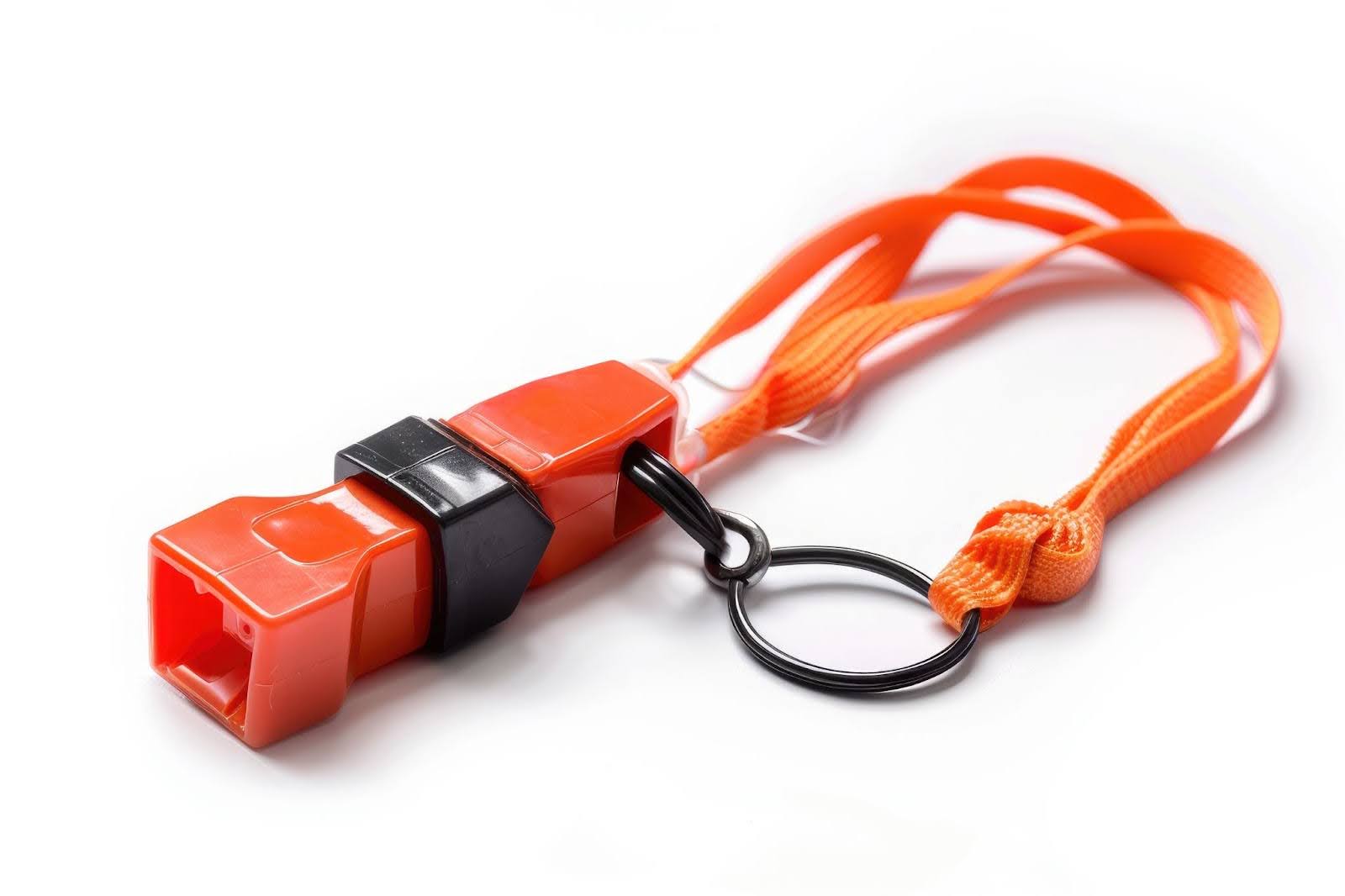
- The Whistle: It’s not just for telling kids to stop running! A whistle is a powerful means of communication. Specific blasts can signal for attention, alert other staff, or order swimmers out of the pool in an emergency.
- Uniform: Brightly coloured uniforms in red or yellow make the lifeguard instantly identifiable to both swimmers and other emergency responders.
- First-Aid Kit: A well-stocked kit is essential for handling everything from minor cuts and scrapes to more serious injuries while waiting for medical professionals.
- Sun Protection: In sunny Singapore, sunglasses, a hat, and sunscreen are genuine pieces of safety equipment, preventing heatstroke and sun glare that could prevent a guard from spotting someone in trouble.
- Rescue Tube: This is the flexible, bright yellow or red foam tube with a strap. It’s the most common piece of gear. A lifeguard can extend it to a swimmer, keeping a safe distance, and the buoyancy supports both the guard and the person being rescued. When it comes to lifeguard rescue, lifeguard equipment like this is incredibly versatile.
- Rescue Can (or Torpedo Buoy): This is a hard, plastic version of the rescue tube. It’s fantastic for moving quickly through the water and can be used in rougher conditions.
- Reaching Pole: A simple but effective tool. It’s a long, lightweight pole that can be extended to someone struggling near the edge of the pool, allowing them to be pulled to safety without the guard entering the water.
What is Considered Lifeguard Emergency Equipment?
This is the heavy-duty stuff for when things get really serious. This category of lifeguard emergency equipment is used for situations involving potential spinal injuries or cardiac arrest, where every second counts.
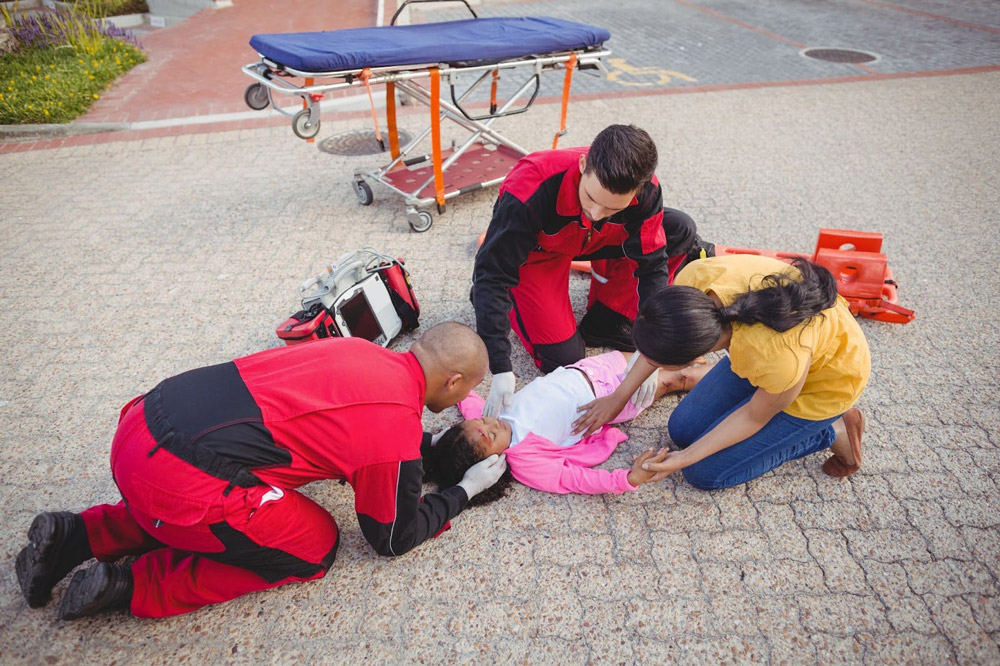
Properly handling a severe medical event requires specialised swimming pool lifeguard equipment. This gear helps lifeguards provide a higher level of care until paramedics arrive, and its correct use can genuinely be the difference between life and death.
- Spinal Board (or Backboard): Used to immobilise someone with a suspected head, neck, or back injury to prevent further damage during removal from the water.
- Automated External Defibrillator (AED): An incredible piece of technology that can deliver an electric shock to restart a heart in cardiac arrest. Modern AEDs provide voice prompts, making them usable even in high-stress situations.
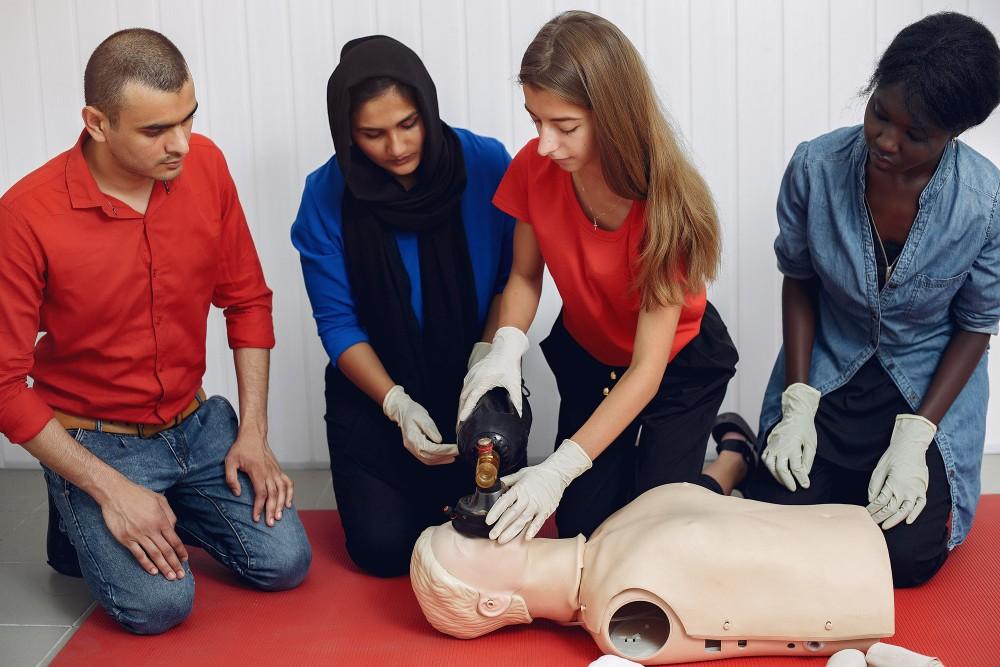
- Bag Valve Mask (BVM): A device used to provide ventilation to a person who is not breathing. It’s a more hygienic and effective alternative to mouth-to-mouth resuscitation.
How is Lifeguard Training Equipment Different?
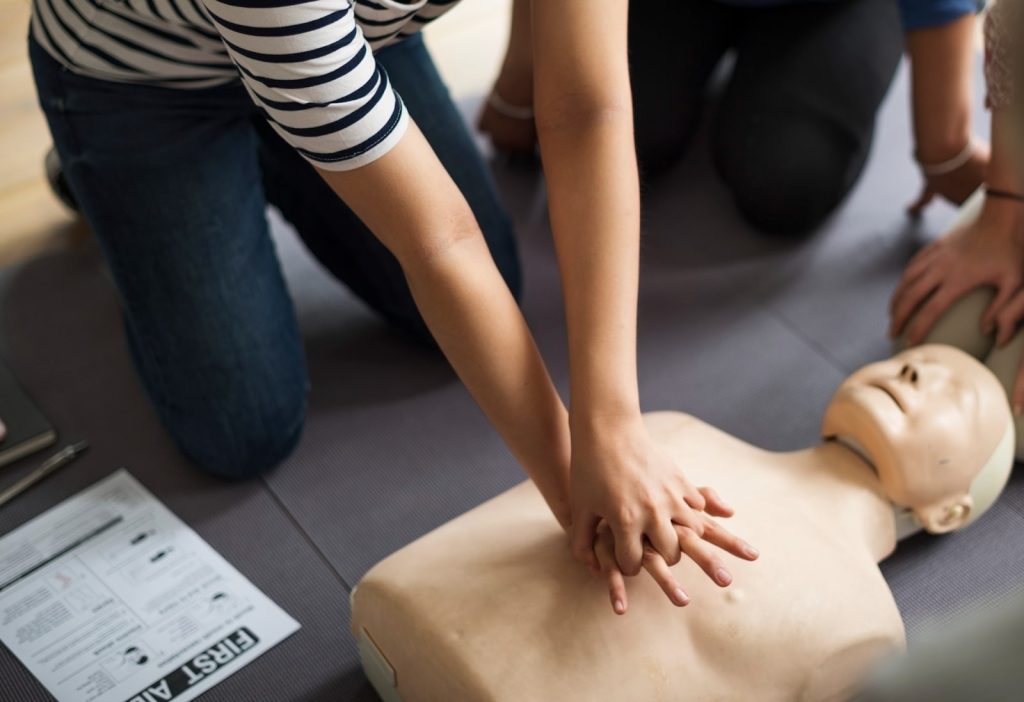
You can’t expect someone to be a hero without practice. Lifeguard training equipment is used to simulate rescue scenarios, allowing guards to build muscle memory and confidence so they can act instinctively when a real emergency happens.
- Training Mannequins: These are weighted dummies that simulate an unconscious person in the water. Lifeguards practice various rescue and extraction techniques with them.
- Practice Drills: Regular drills using all the equipment mentioned above ensure that skills remain sharp and the entire team knows how to work together seamlessly.
Conclusion About Lifeguard Emergency Equipment
The array of lifeguard gear is a testament to the seriousness of the job. It shows that being a lifeguard is about being prepared for every possibility. Each piece of equipment, from the humble whistle to the advanced AED, plays a part in a system designed to keep everyone safe.
Feeling inspired to improve your own water confidence? For the best private swimming lessons in Singapore, from kids’ swimming lessons to adult coaching, check out JustSwim.
Frequently Asked Questions About Lifeguard Emergency Equipment
What Is The Most Important Piece Of Lifeguard Equipment?
The most important piece of equipment is often considered the rescue tube. Its versatility for reaching, towing, and supporting a person in the water, while also providing buoyancy for the lifeguard, makes it an indispensable tool for the most common types of rescues.
How Often Should Lifeguard Equipment Be Inspected?
All lifeguard equipment should be inspected daily before the start of a shift. This includes checking for wear and tear on rescue tubes, ensuring the first-aid kit is fully stocked, and confirming that emergency equipment like the AED is functional and ready.
Can A Member Of The Public Use Lifeguard Rescue Equipment?
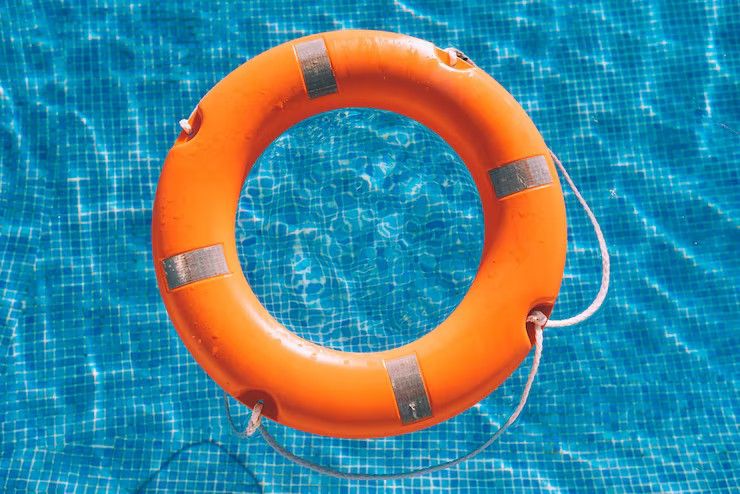
Generally, no. Lifeguard equipment is intended for use by trained professionals. In a dire emergency, a ring buoy might be thrown by a member of the public, but items like rescue tubes and backboards require specific training to be used safely and effectively.
What Is The Difference Between A Rescue Tube And A Rescue Can?
A rescue tube is made of soft, flexible foam, making it more comfortable for a conscious person to hold onto and gentler if it accidentally makes contact. A rescue can (or torpedo buoy) is made of hard plastic, which allows it to move faster through the water and is more durable.
Does All Swimming Pool Lifeguard Equipment Float?
Most rescue equipment, like tubes, cans, and ring buoys, is designed to be buoyant to support both the rescuer and the person in distress. However, some items, like reaching poles or spinal boards (which are neutrally buoyant), and especially first-aid kits, do not float.
Why Is A Whistle Considered Lifeguard Emergency Equipment?
A whistle is a vital piece of emergency equipment because it is the fastest way for a lifeguard to get the attention of a large group of people or other staff members over a long distance. Different whistle blasts can communicate specific commands instantly, which is much more effective than shouting.