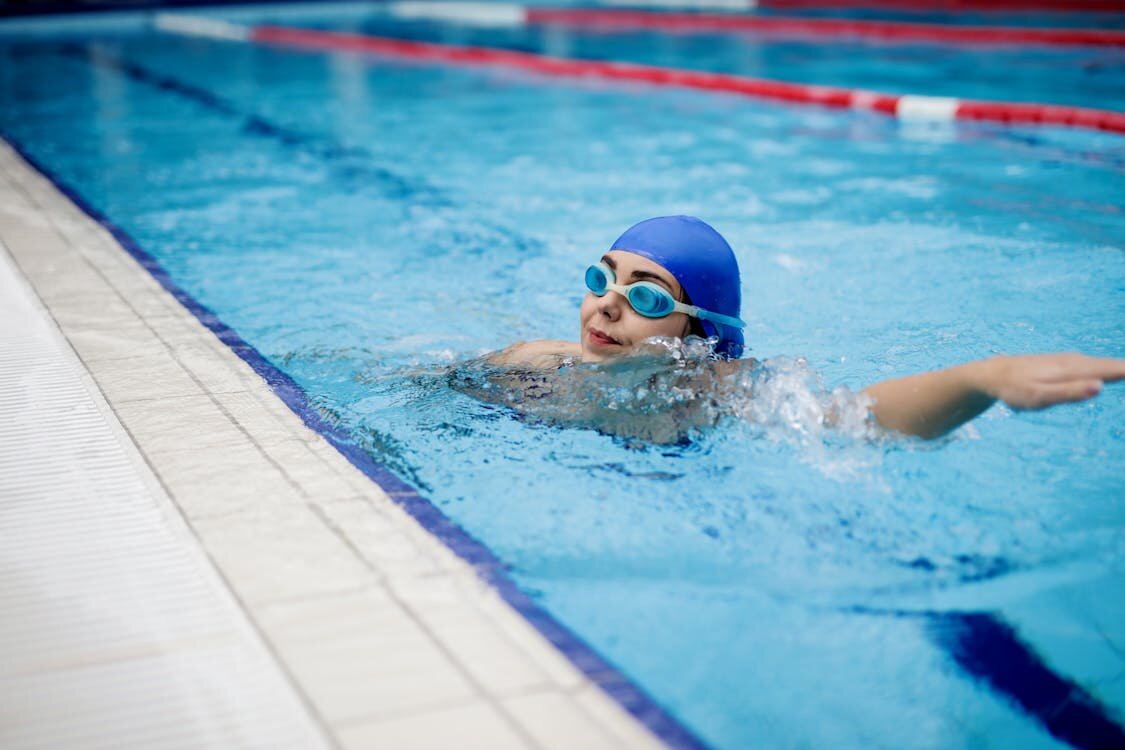
Water resistance often feels like an invisible wall for athletes trying to pick up speed. Many people paddle furiously but barely move across the pool. This physical struggle leads to quick exhaustion and intense frustration instead of a smooth glide.
A SWOLF swimming score provides the perfect solution to this exhausting problem by accurately measuring true water efficiency. This unique metric combines overall lap time with your total stroke count to show exactly how well you move. Swimmers can finally stop relying on pure effort and start focusing on measurable progress.
This complete guide breaks down the exact formula to calculate your personal score. Readers will discover realistic benchmarks for success based on different pool lengths. The following sections also provide actionable tips to eliminate drag and cover more distance with every arm movement.
What Is SWOLF In Swimming?
SWOLF in swimming combines the words “swim” and “golf” to create an efficiency score. The metric adds the time it takes to swim one pool length to the number of strokes taken during that length. A lower score indicates better efficiency, just like in a game of golf.
People often ask what SWOLF is when they want to transition from simply surviving in the water to swimming with actual technique. Tracking this metric highlights whether a swimmer is wasting energy by fighting the water instead of moving through it.
How To Calculate Your SWOLF Score
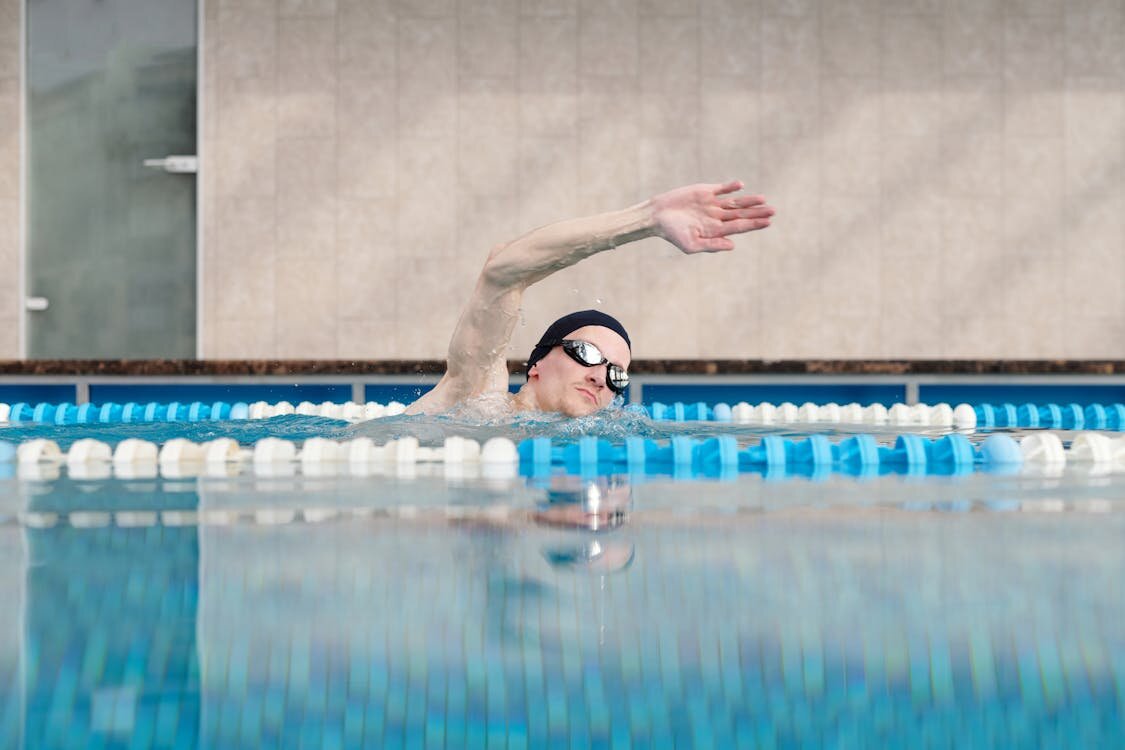
Swimmers calculate their score by following a simple formula of adding lap time to stroke count. You can find your exact number by following these distinct steps:
- Time Your Lap: Start a stopwatch when you push off the wall and stop it the moment you touch the opposite side.
- Count Your Strokes: Add one to your mental tally every time your hand enters the water during that exact same lap.
- Add The Two Numbers: Combine the time in seconds with the total stroke count to get the final metric.
For example, finishing a 25-metre pool length in 20 seconds with 15 strokes equals a final combined score of 35.
What Is A Good SWOLF In Swimming?
A good score depends heavily on individual physical traits and technical skill rather than a universal number. You can identify a strong personal baseline by looking for a few specific characteristics:
- Consistent Stroke Count: The number of strokes remains steady across multiple laps without sudden spikes.
- Smooth Forward Momentum: The swimmer avoids pausing or sinking between arm pulls.
- Personalised Baselines: The score reflects the individual’s height and wingspan instead of matching a professional athlete.
If you are wondering what is a good SWOLF in swimming for your specific body type, focus on lowering your own baseline by a few points each month.
What Is The Average SWOLF In Swimming?
Many beginners wonder what is average SWOLF in swimming when they first start tracking metrics. The average score for a recreational swimmer in a 25-metre pool usually sits between 35 and 45. Advanced athletes often score below 30 due to highly refined techniques and powerful underwater kicks.
How Pool Length Affects Your Score (25m vs 50m)
Pool length drastically changes the baseline number because swimming 50 metres takes more time and strokes. A score of 35 in a 25-metre pool does not equal a score of 70 in a 50-metre pool due to the lack of a mid-lap push-off. Swimmers must always compare 25-metre scores only with other 25-metre scores to maintain accuracy.
5 Ways To Improve Your SWOLF Swimming Efficiency
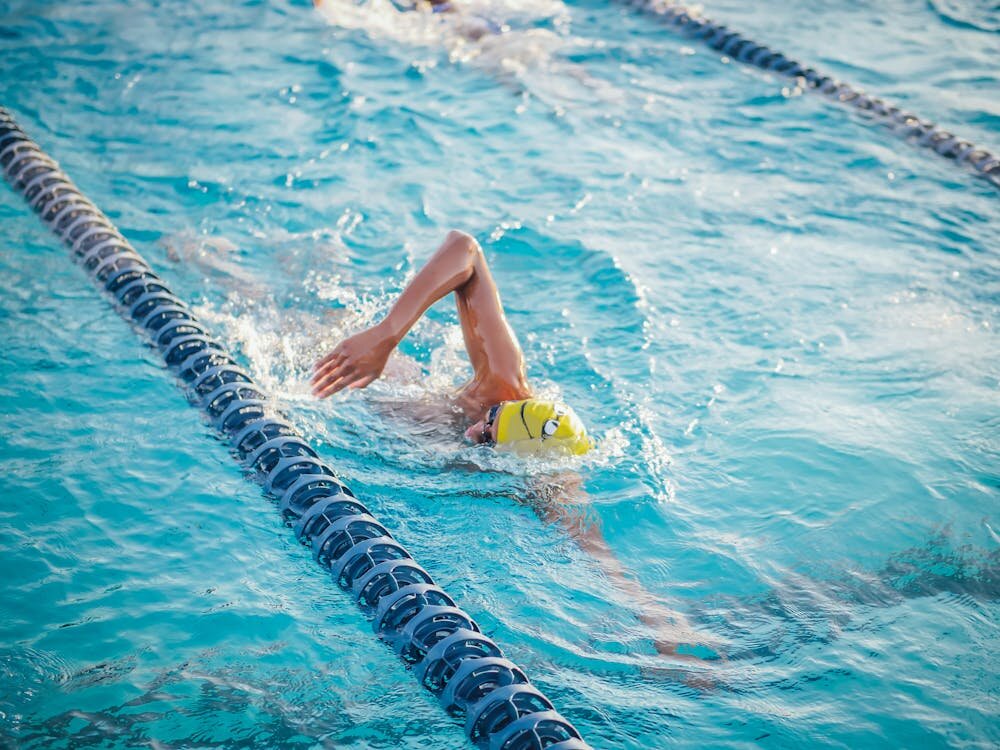
Lowering your score requires a balance of speed and stroke length. You must eliminate drag and maximize the distance travelled per stroke.
1. Count Your Strokes Consistently
Consistent counting builds a reliable baseline for your training sessions. You should count every single stroke during warm-ups to develop a natural feel for your current efficiency. This habit highlights exactly when fatigue starts to compromise your technique.
2. Find Your Stroke Rate Sweet Spot
Refining your freestyle swimming technique helps balance reaching far forward with moving the arms fast enough to maintain momentum. Reaching too far slows down the overall time, while spinning the arms too fast increases the stroke count. Swimmers must experiment to find the exact rhythm that yields the lowest combined score.
3. Optimise Your Kick And Body Position
Learning how to kick when swimming significantly reduces water resistance by maintaining a streamlined body position. Keeping the hips high allows the body to slice through the water faster, which lowers the time portion of the formula. Proper alignment ensures every arm pull translates directly into forward movement.
4. Track Your Metrics With A Smartwatch
Modern fitness trackers automatically count strokes and measure time during every lap. Wearing a smartwatch removes the mental maths, allowing full concentration on technique. These devices instantly show if a recent technique adjustment successfully improved the score.
5. Avoid The Over-Gliding Mistake
Swimmers often glide too long between strokes simply to artificially lower their stroke count. This over-gliding causes the body to lose momentum and sink, which severely hurts the time metric. The goal involves maintaining continuous forward speed while stretching out each pull efficiently.
Conclusion About SWOLF Swimming
Tracking efficiency metrics transforms random laps into purposeful training sessions. Balancing stroke count and speed ultimately creates a smoother, faster, and less exhausting experience in the water.
JustSwim Singapore provides customised lesson plans with NROC-certified coaches to help refine these exact techniques. The team specialises in private swimming lessons that focus on water safety, progression, and mastering the right strokes in a supportive environment.
Contact us today to book a tailored session and elevate your technique!
Frequently Asked Questions About SWOLF Swimming
Do Taller Swimmers Have Better Scores?
Taller individuals usually have lower scores because longer arms cover more distance per stroke. This physical advantage explains why swimmers should only compare their current numbers against their own past performance.
Should I Glide Longer To Lower My Score?
Gliding too long causes a loss of forward momentum, which increases the time it takes to finish the lap. A lower stroke count does not help if the time penalty makes the total combined score higher.
Can A Smartwatch Calculate My Score?
Most modern sports watches automatically track time and count strokes to calculate efficiency data per lap. Wearing a compatible device allows you to focus purely on your form instead of counting in your head.
Is A Lower Score Always Better?
A lower score generally indicates better efficiency, but it should not come at the expense of proper technique or joint health. Pushing too hard to lower the number can lead to shoulder strain if the form breaks down.
Does SWOLF Apply To Other Swimming Strokes?
This efficiency metric applies directly to backstroke, breaststroke, and butterfly as well. Each stroke carries a different average baseline due to varying speeds and mechanics. For instance, breaststroke naturally produces a lower stroke count but a higher time compared to freestyle.