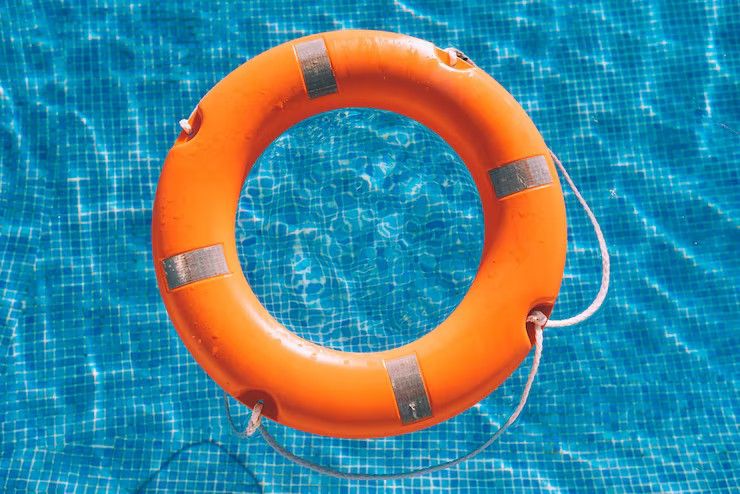
Chlorine and saltwater act like invisible sandpaper on delicate spandex fibres the moment you leave the water. Many expensive swimsuits lose their stretch and fade within a single season because swimmers skip proper post-pool maintenance.
Learning exactly how to wash swimming costume fabrics safely stops this rapid chemical degradation immediately. This step-by-step guide reveals the safest washing techniques and simple tricks to clean your swimming attire effectively.
Step 1: Rinse Immediately After Use
Rinsing your swimsuit right after swimming removes harsh pool chemicals and salt. Run the garment under cool tap water for at least one minute. This initial wash stops chemical reactions from degrading the fabric further.
Step 2: Prepare A Cold Water Bath
A cold water bath creates a safe environment to clean the material. Fill a clean sink or a small basin with cold water. Hot water damages the elastic and causes the colours to bleed.
Step 3: Add A Gentle Detergent
Adding a mild detergent helps break down body oils and sunscreen residue. Pour one teaspoon of mild liquid soap into the cold water. Swirl the water gently to mix the soap thoroughly.
Step 4: Soak The Swimming Costume
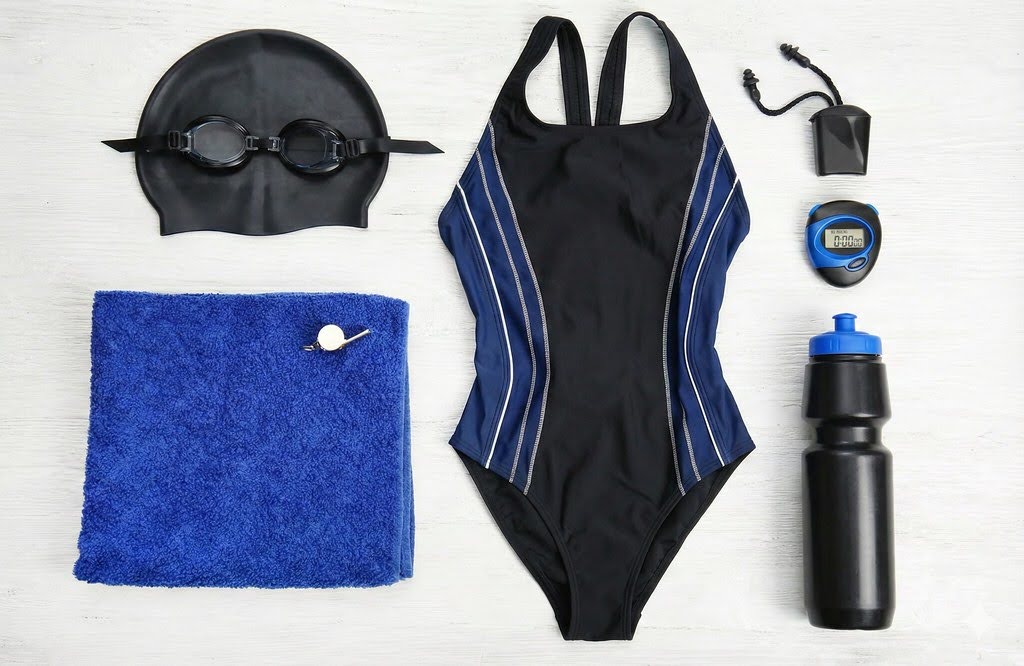
Soaking the fabric allows the soap to penetrate the fibres and lift dirt. Submerge the garment completely in the soapy water. Leave it to soak for roughly 15 to 30 minutes.
Step 5: Gently Massage The Fabric
Massaging the material removes stubborn stains without stretching the threads. Knead the fabric softly with your hands. Pay extra attention to the neckline and straps, where oils tend to build up.
Step 6: Rinse Thoroughly In Cold Water
Rinsing thoroughly ensures no soapy residue remains on the garment. Empty the basin and refill it with fresh cold water. Swish the suit around until the water remains clear and free of bubbles.
Step 7: Squeeze Out Excess Water (Do Not Wring)
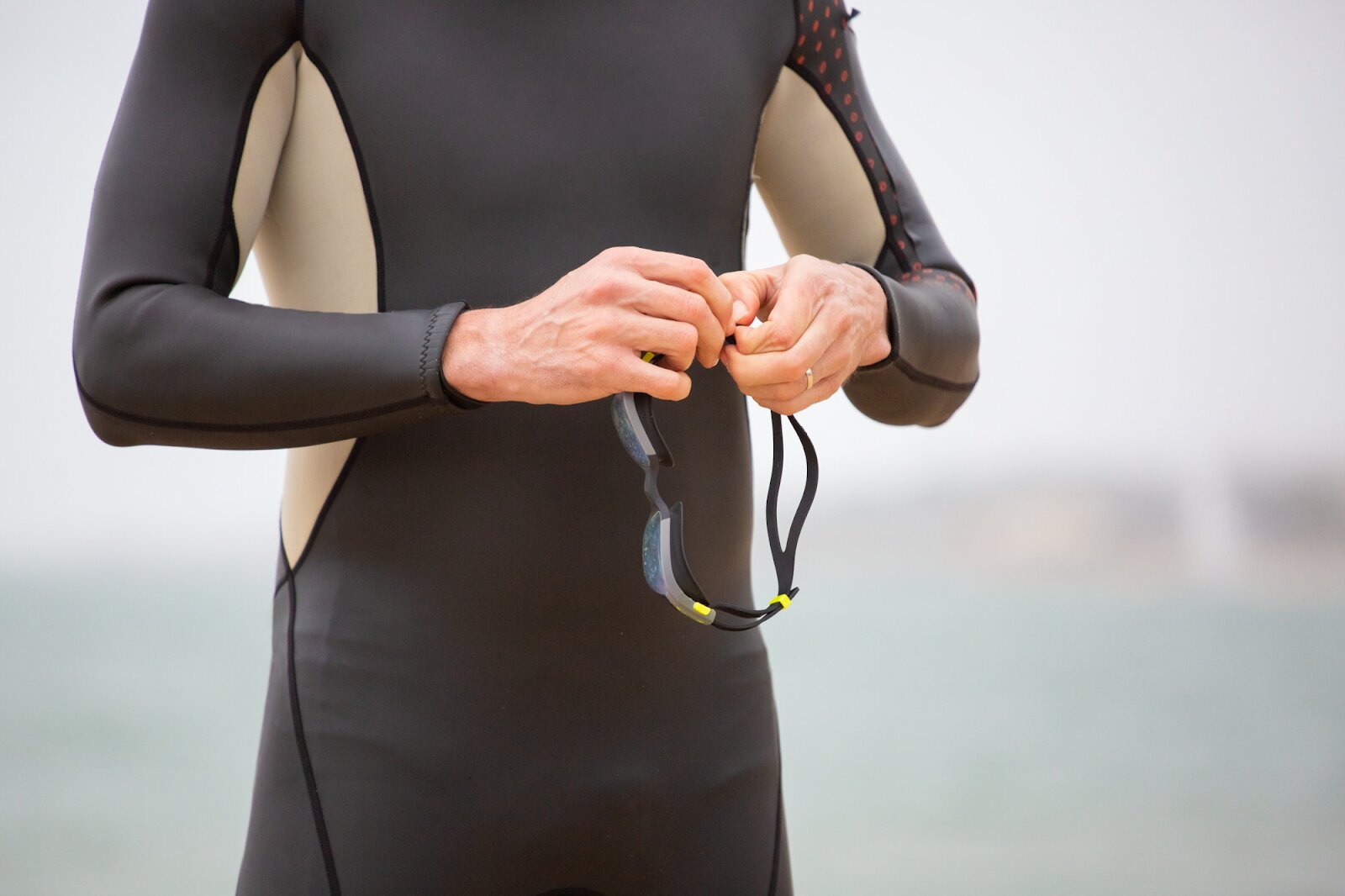
Squeezing out the water prevents the elastic threads from snapping. Press the fabric gently against the side of the sink to drain the moisture. Twisting or wringing the material permanently ruins the shape.
Step 8: Roll In A Clean Towel
Rolling the garment in a towel absorbs the remaining moisture safely. Lay the suit flat on a dry towel and roll it up tightly like a sleeping bag. Press down on the towel gently to extract the water.
Step 9: Dry Flat In The Shade
Drying the suit flat keeps the fabric from stretching out of proportion. Lay the garment on a fresh, dry towel in a well-ventilated area away from direct sunlight. Hanging swimwear by the straps causes the heavy, wet fabric to pull downwards.
Top Tips For Caring For Your Swimming Suit

Proper maintenance for different types of swimwear requires more than just knowing how to wash swimming suit materials. A few daily habits protect the delicate fabric from permanent damage.
Avoiding Rough Pool Edges
Rough concrete and wooden benches snag delicate spandex fibres easily. Swimmers should lay a towel down before sitting on the side of the pool. This simple barrier prevents ugly pilling and sudden tears on the bottom of the suit.
Rotating Swimwear Regularly
Spandex requires at least 24 hours to snap back to its original shape after a swim. Wearing the exact same suit two days in a row causes the elastic to stretch out permanently. A rotation system with a second costume gives the material enough time to recover.
Rinsing Before Entering The Pool
A quick rinse under the shower fills the fabric fibres with clean tap water. The soaked material then absorbs far less chlorinated pool water or salty seawater during the swim. This protective step significantly reduces chemical damage and fading colours.
Storing Dry Suits Properly
Plastic bags trap leftover moisture and encourage mould growth on the fabric. A cotton pouch or a mesh bag provides the perfect breathable storage solution for your gear. Swimmers must ensure the garment is completely dry before packing it away for the season.
Easy Fixes For Common Swimwear Problems

Removing Stubborn Sunscreen Stains
Baking soda lifts oily sunscreen stains without harsh bleaching. Mix a small amount of baking soda with water to form a thick paste. Apply the paste directly to the stain and let it sit for an hour before rinsing.
Getting Rid Of Lingering Chlorine Odour
White vinegar neutralises the strong smell of pool chemicals. Add two tablespoons of white vinegar to the cold water soak during the washing process. The vinegar acts as a natural deodoriser and restores the fabric’s pH balance.
Reviving Faded Colours Safely
Salt helps lock dye into the fabric and brightens dull colours. Dissolve a handful of plain table salt into a basin of cold water. Soak the garment in the saltwater solution for 30 minutes before doing a standard wash.
Eco-Friendly Washing Tips For Swimwear
Sustainable washing practices protect the environment while keeping swimming gear clean. Careful methods prevent toxic chemicals from entering the ocean.
Selecting Biodegradable Soaps
Plant-based detergents wash swimwear effectively without leaving harmful chemical residues. These eco-friendly alternatives break down naturally to protect local waterways.
Catching Harmful Microplastics
A microfibre-catching bag traps tiny plastic particles before they wash down the drain. This simple tool securely holds the suit during the soak and keeps the oceans clean.
Conserving Tap Water
Small basins require significantly less water to clean a single swimsuit thoroughly. A dedicated washing bowl uses just enough liquid to submerge the fabric safely.
What To Avoid When Washing And Drying
Certain common laundry habits instantly destroy swimwear fabrics.
- Never place the garment in a washing machine or tumble dryer.
- Do not use fabric softeners or bleach under any circumstances.
- Avoid leaving a damp suit crumpled in a gym bag for long periods.
Conclusion About Ways To Wash A Swimming Costume
Proper swimwear maintenance extends the life of the fabric and keeps colours vibrant. Swimmers save money and always have a reliable suit ready for the pool.
JustSwim Singapore provides customised private swimming lessons with certified coaches to ensure water safety and stroke progression. The team guarantees a highly effective and enjoyable learning experience for all ages.
Contact us today to book your swimming lessons!
Frequently Asked Questions About Ways To Wash A Swimming Costume
Can You Put A Swimming Costume In The Washing Machine?
Washing machines agitate the delicate fabric too harshly and destroy the elastic fibres. Hand washing remains the only safe method to clean swimwear properly.
What Is The Best Detergent For Swimwear?
Mild liquid soaps specifically designed for delicates work best for swimwear. Swimmers can also use a gentle baby shampoo in a pinch.
How Often Should You Wash A Swimming Suit?
You must wash the garment after every single use to remove damaging chemicals and body oils. A thorough rinse is necessary even if you only wore the suit to lounge by the pool.
Can You Dry Swimwear In The Sun?
Direct sunlight fades the dye and breaks down the spandex material very quickly. Always dry your garments in a shaded, well-ventilated area.
How Do You Remove Sand From A Swimming Costume?
Wait for the garment to dry completely before attempting to remove the sand. Shake the dry fabric vigorously or gently run a hairdryer on the cool setting over the affected areas.
Is It Safe To Iron Swimwear?
Ironing melts the synthetic fibres and permanently ruins the garment. Simply lay the suit flat to dry to prevent wrinkles from forming.