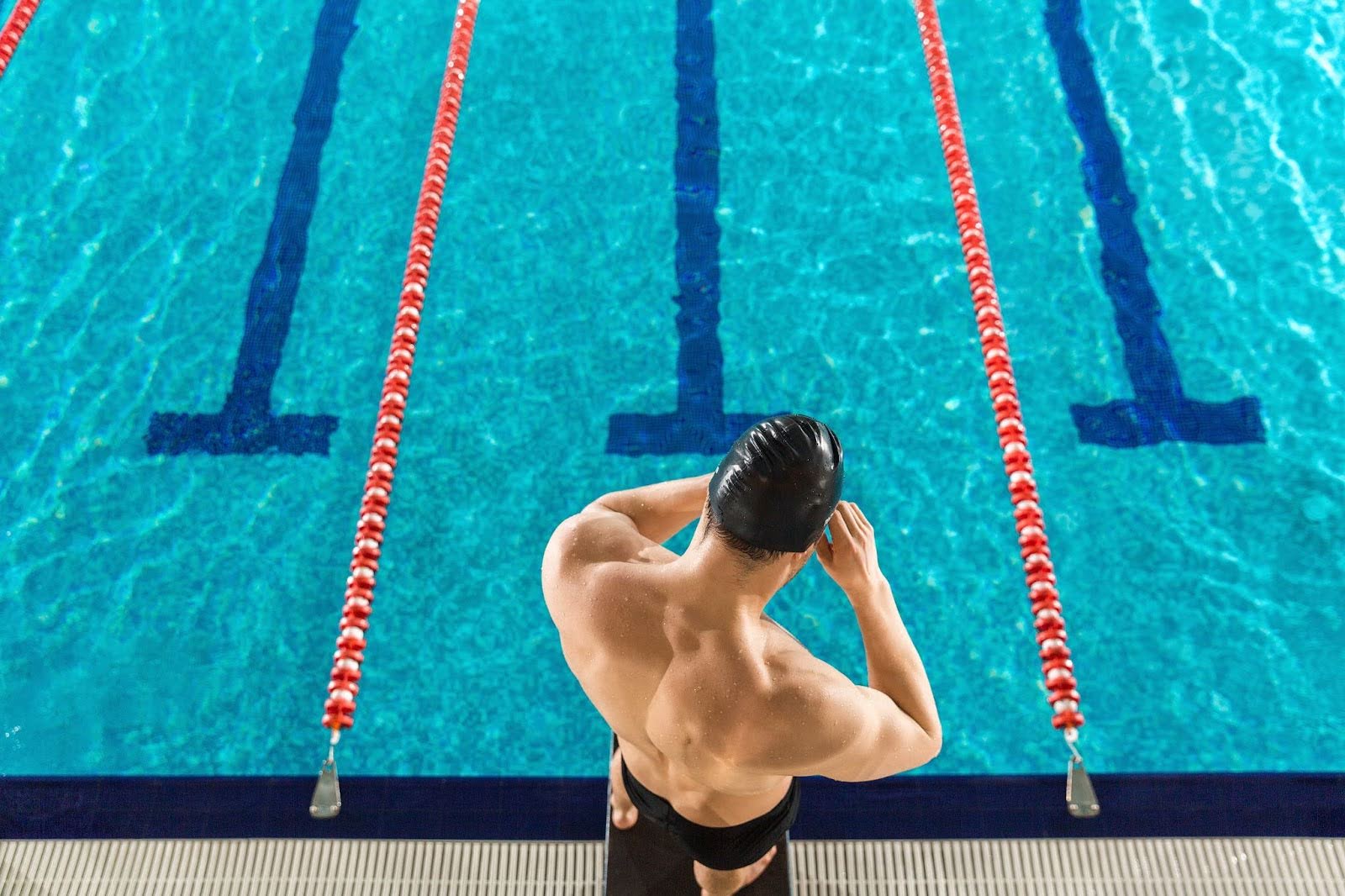
If you are trying to lose weight, you have probably thought about swimming. It looks calm and smooth. But does swimming help to lose weight in a real way, or is it just good for relaxing?
Some people swear by it. Others say you need the gym to see results. The truth is somewhere in between. Swimming can help with weight loss. But it depends on how you do it and what else you pair it with.
Physical Benefits Of Swimming
Swimming works your whole body in ways you might not expect. It is not just moving your arms and legs in water. It trains your muscles, heart, lungs, and even your focus. Over time, these small changes add up.
1. Full Body Movement
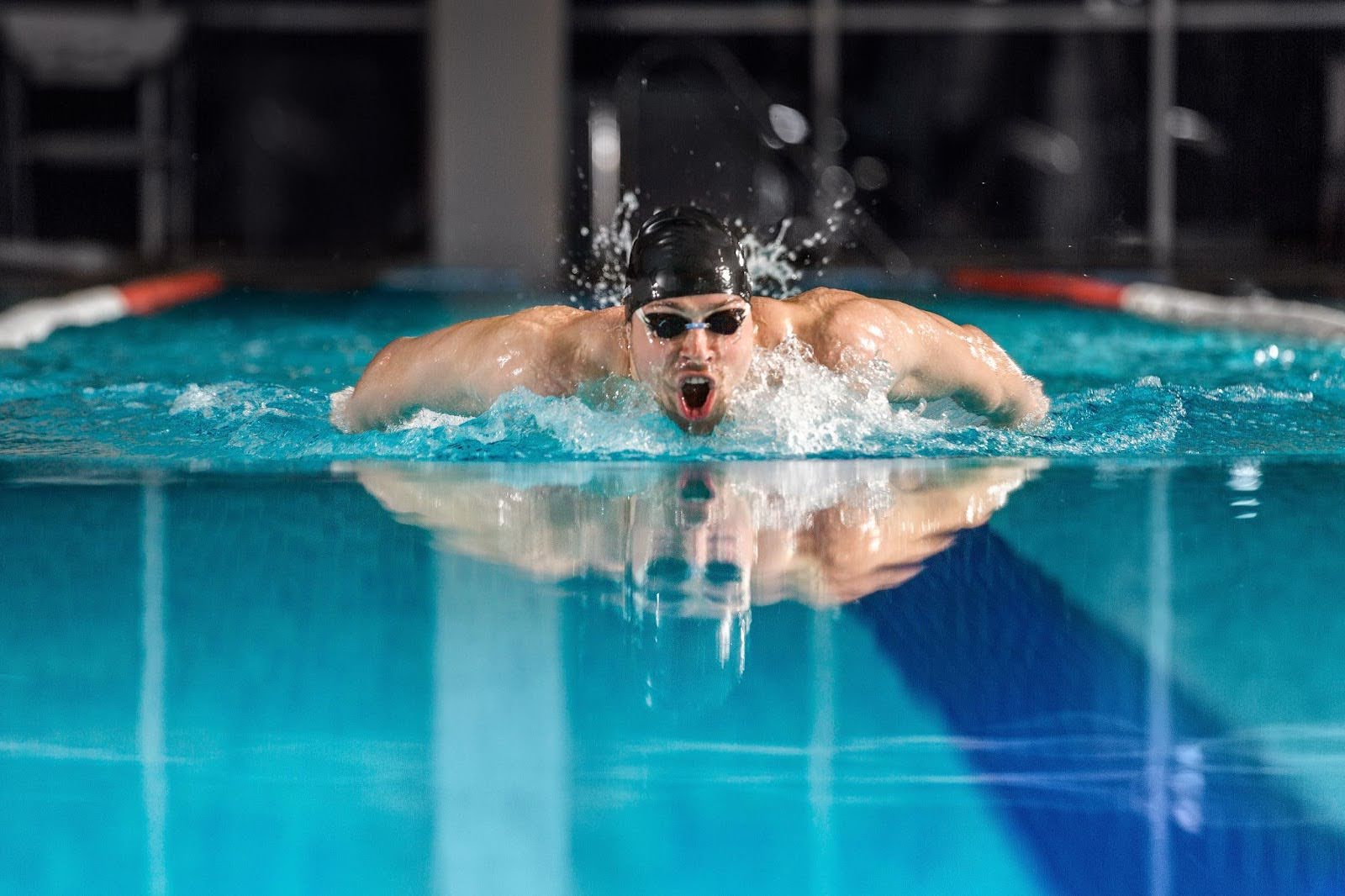
When you swim, your arms, legs, core, shoulders, and back all move together. It is not like walking, where mostly your legs do the work. In the water, you cannot stay still. Your whole body has to stay engaged.
Every stroke pulls and pushes against water. Water is thicker than air, so it gives resistance in every direction. That means your muscles are always working, even during slower laps.
Here is what happens in one simple lap:
- Arms pull your body forward
- Legs kick to keep you balanced and moving
- Core tightens to keep your body straight
- Back muscles support your shoulder movement
Even gentle swimming activates many muscle groups at once. That is why it feels tiring in a good way.
2. Builds Lean Muscle
Swimming helps build lean muscle without heavy gym machines. You are lifting your body against water resistance again and again. That steady resistance helps tone muscles over time.
Muscle matters for weight control. The more lean muscle you have, the more calories your body burns, even when you are sitting at home. It increases your resting metabolism slowly.
Different strokes work different muscles:
- Front crawl works the shoulders, chest, and core
- Breaststroke targets the inner thighs and hips
- Backstroke works the back muscles and glutes
You do not bulk up like a bodybuilder. But you do become firmer and stronger.
3. Burns Calories
Swimming burns calories because your body needs energy to move through water. The number depends on how fast you swim, your weight, and how long you stay in the pool.
A slow, steady swim still burns energy. A faster session burns more. If you include short bursts of speed, your body works even harder.
It is a form of aerobic exercise. That means your heart rate stays raised for a longer time. When your heart and lungs work harder, your body uses more energy.
You also continue burning calories after you leave the pool because your body is recovering and repairing muscle tissue.
4. Low Impact On Joints
One of the biggest benefits of swimming is that it is gentle on the joints. The water supports your body weight. This reduces pressure on knees, ankles, and hips.
If you are overweight, this makes a big difference. Land exercises can feel painful. In water, movement feels lighter and smoother.
Swimming is often recommended for:
- People with joint pain
- Those recovering from injury
- Older adults
- Anyone who struggles with high-impact workouts
You can move freely without that sharp pounding feeling you get from running.
5. Improves Heart Health
Swimming strengthens your heart over time. Like any steady cardio activity, it trains your heart to pump blood more efficiently.
A stronger heart does not need to beat as fast to do its job. This improves overall stamina. You may notice you can swim longer without feeling breathless.
Better heart health also supports daily life. Climbing stairs feels easier. Walking long distances feels less tiring. All of this supports weight control in the long run.
6. Supports Mental Health
Weight loss is not just about the body. Your mindset plays a big role. Swimming can help clear your head.
The rhythm of strokes and breathing can feel calming. Many swimmers say they think more clearly in the water. It gives you time away from noise and screens.
Lower stress can help reduce emotional eating. When you feel calmer, you are less likely to snack out of boredom or frustration.
Swimming can also:
- Improve sleep
- Boost mood
- Reduce anxiety
- Build confidence as fitness improves
These mental and even health benefits support long-term weight goals.
7. Helps With Flexibility
Swimming involves wide, smooth movements. Your shoulders rotate. Your hips extend. Your ankles point and flex.
Over time, this improves flexibility. Flexible muscles are less likely to feel tight or stiff.
For people who sit a lot during the day, swimming opens up tight areas such as:
- Shoulders
- Hip flexors
- Lower back
- Hamstrings
Better flexibility can also improve posture and reduce minor aches.
8. Improves Coordination
Swimming requires timing. You have to move your arms and legs in rhythm. You also have to breathe at the right moment.
Even basic drills improve body awareness. Skills like controlled kicking or learning balance in water train your coordination.
Better coordination makes movement smoother. When movement is smooth, you use less wasted energy. That means you can swim longer without tiring too quickly.
This is helpful for beginners who feel awkward at first. With practice, movements become more natural.
9. Encourages Better Posture
Swimming strengthens the muscles that support your spine. Your core and back work constantly to keep you straight in the water.
If you swim regularly, you may notice you stand taller. Your shoulders sit back more naturally.
Strong back muscles help reduce slouching. This can ease tension in the neck and shoulders, especially for people who sit at desks.
Over time, better posture also improves breathing because your chest is more open.
10. Builds Discipline
Swimming takes effort. You have to pack your bag, travel to the pool, change, and get into the water. Some days you will not feel like it.
But sticking with it builds routine. Routine builds discipline. And discipline matters for weight loss.
When you show up regularly, you create consistency. Consistency leads to results.
Swimming teaches you to:
- Set small goals
- Track progress
- Be patient
- Keep going even when progress feels slow
These habits help not only in fitness but in daily life too.

Does Swimming Help Lose Weight
Yes, swimming can help you lose weight. But it is not magic. You still need to burn more calories than you eat.
If you swim regularly and eat properly, you can lose weight. Many people see results when they combine swimming with healthy eating and good sleep.
Swimming alone without attention to diet may not lead to big changes. But as part of a balanced plan, it works.
Why Swimming Helps Lose Weight
Swimming works because it burns calories and builds muscle at the same time. Water creates resistance in every direction. So every movement uses energy.
When you build muscle, your body burns more calories even when resting. This supports fat loss over time. That is why consistent swimming can change your body shape slowly but steadily.
Here is how it helps:
- Burns calories during each session
- Raises heart rate for longer periods
- Builds lean muscle mass
- Improves metabolism over time
- Reduces stress, which can lead to overeating
- Encourages regular movement
These are simple but effective factors in weight loss.
Additional Ways To Lose Weight
Swimming works better when combined with other healthy habits.
1. Eat Properly
You cannot outswim a poor diet. What should a swimmer eat? Focus on balanced meals with protein, whole grains, vegetables, and healthy fats.
Avoid heavy junk food after training. It is easy to overeat because swimming can make you hungry. Eat enough to recover, but not more than needed.
2. Add Strength Training
Swimming builds muscle, but light strength training can boost results.
Simple exercises like squats, lunges, and push-ups help increase muscle mass. More muscle means higher calorie burn over time.
3. Increase Intensity Slowly
If you always swim at the same slow pace, your body adapts.
Try mixing steady laps with faster intervals. Use different strokes. Adjust your sessions to keep challenging your body.
4. Track Your Progress
Weight loss takes time. Keep track of your sessions and how you feel.
You can log distance, time, or laps. Even noting small improvements keeps you motivated.
5. Rest And Recover
Rest is part of the process. Overtraining can lead to fatigue or injuries like swimmer’s shoulder.
Take rest days. Sleep enough. Let your muscles repair and grow stronger.
Conclusion on Does Swimming Help Lose Weight
So, does swimming help to lose weight? Yes, it can. It burns calories, builds muscle, and supports heart health. But it works best when paired with proper eating and consistency.
Swimming also offers many health benefits beyond weight loss. It supports your heart, joints, and mental well-being.
If you want guidance, we can help. At Just Swim, we support swimmers at all levels with structured sessions and proper technique. We focus on steady progress and safe training. Contact our team to get started.
More from the blog
- Swim schools we admire around the world
 SFA Certification in Singapore: What It Covers, How Long It Lasts, and How to Renew
 Occupational First Aid Course Singapore: OFAC and Other Types
 Singapore Life Saving Society (SLSS): Every Certification Explained
 SWOLF Swimming: What It Is, Average Scores & 5 Tips To Improve
Frequently asked questions
How Often Should I Swim To Lose Weight?
Swimming three to four times a week is a good start. Consistency matters more than intensity at the beginning. As fitness improves, you can adjust your sessions.
Is Swimming Better Than Running For Weight Loss?
Both can help with weight loss. Swimming is lower impact and easier on the joints. The best choice depends on what you can stick with long-term.
Do I Need Special Swimming Equipment To Lose Weight?
Basic swimming equipment, like goggles and proper swimwear, is enough. Kickboards or pull buoys can add variety, but they are not required. Comfort matters more than fancy equipment.
Can Beginners Lose Weight Through Swimming?
Yes, beginners can see results. Even steady, slow laps burn calories. The key is regular sessions and balanced eating.
Are There Facts About Swimming That Surprise People?
One surprising swimming fact is that swimming works almost every major muscle group at once. It also improves heart health and flexibility while being gentle on joints. That makes it suitable for many people.