
Swimming is a brilliant, low-impact exercise that offers a fantastic full-body workout. But once you’ve got your goggles on, the big question often arises: how often should I swim to see real results?
The truth is, there’s no magic number. The perfect frequency is different for everyone and depends entirely on your personal goals. Whether you want to improve your fitness or lose weight, this guide will help you find a realistic swimming schedule that fits your lifestyle and ambitions.

How Often Should I Swim?
So, you’re ready to make swimming a regular part of your life, but how often do you actually need to get in the pool?
The secret to success isn’t about exhausting yourself with one marathon swim a week; it’s about finding a consistent rhythm that works for your body and your schedule. Think of it this way: your ideal swimming frequency is directly linked to what you want to achieve.
Let’s dive in and find the perfect plan to make every minute you spend in the water count.
For General Fitness And Health
This plan is for you if your main goal is to feel good, stay active, and reap the incredible all-round benefits of swimming. You’re not training for a race; you’re investing in your long-term health.
- Recommendation: Aim for 2-3 sessions per week, with each swim lasting around 30-45 minutes. This is the sweet spot for creating a sustainable habit.
It gives your body enough time to recover between sessions, which is crucial for preventing injury and building strength, while still being frequent enough to see steady improvements in your energy levels and muscle tone.
- The Focus: The goal here is consistency, not intensity. Forget about racing the clock. Instead, concentrate on maintaining a steady, comfortable pace where you can control your breathing and focus on good form.
A typical session might involve a gentle 5-minute warm-up, followed by 25-30 minutes of continuous laps, perhaps alternating between freestyle and breaststroke.
This approach is fantastic for improving your cardiovascular health, strengthening your heart and lungs, and toning muscles across your entire body without the harsh impact of sports like running.
- The Takeaway: This frequency is brilliant for creating a sustainable habit that keeps you fit without leading to burnout.
By swimming 2-3 times a week, you are building a positive, long-term relationship with exercise. It becomes a refreshing part of your routine rather than a chore, ensuring you can enjoy the benefits for years to come. This is the perfect foundation for lifelong fitness and wellbeing.
For Weight Loss
If your primary motivation is to manage your weight and improve your body composition, a more frequent and focused approach will yield the best results.
- Recommendation: You should aim for a higher frequency of 4-5 times per week, for about 45-60 minutes per session. To effectively manage weight, you need to create a consistent calorie deficit, and increasing your weekly activity is a key part of that equation.
Committing to more frequent sessions ensures your metabolism stays elevated and your body becomes more efficient at burning fat for fuel. This commitment is what turns your swimming efforts into visible, lasting change.
- The Focus: Consistency is key to increasing your calorie burn, and mixing up your intensity is your secret weapon. Don’t just swim at the same steady pace every day. Instead, incorporate high-intensity intervals into your routine.
For example, you could swim four lengths at a moderate pace, followed by one length as fast as you can, then rest for 30 seconds and repeat the cycle.
This method, known as High-Intensity Interval Training (HIIT), is incredibly effective at burning calories and boosting your metabolism for hours after you’ve left the pool.
- The Takeaway: More frequent sessions will boost your metabolism and, when paired with a balanced diet, can lead to fantastic results. Swimming is a full-body workout that builds lean muscle, and the more muscle you have, the more calories your body burns at rest.
By consistently swimming 4-5 times a week, you are creating a powerful engine for weight management. Remember, this routine is a partnership with your nutrition, and together, they can help you achieve your goals effectively and sustainably.
For Beginners Focused On Technique
This is for you if you’re new to the pool or returning after a long break. Your goal isn’t about speed or distance just yet; it’s about building a solid foundation, feeling comfortable in the water, and making your strokes smooth and efficient.
- Recommendation: Start with 2-3 shorter swims per week, focusing on just 20-30 minutes of quality practice each time. It might sound counterintuitive, but for a beginner, less is more.
Shorter, more frequent sessions are far more effective than one long, tiring swim because they allow you to focus purely on your form without getting exhausted. When you’re tired, your technique is the first thing to suffer, and practicing with poor form can build bad habits that are hard to break later on.
- The Focus: Forget about speed or distance. Concentrate on drills for proper breathing, body position, and kicking to build your confidence. Your entire session should be dedicated to mastering the fundamentals.
Spend five minutes just getting comfortable with your breathing by blowing bubbles and practicing rhythmic breathing to the side. Then, use a kickboard for a few lengths to isolate your leg movements, focusing on kicking from your hips, not your knees.
Finally, practice floating on your front and back to understand how your body naturally rests in the water, this is key to a streamlined and efficient stroke.
- The Takeaway: Shorter, more frequent sessions are far better for muscle memory and developing that essential “feel for the water.” This “feel” is the connection between your body and the water, allowing you to pull yourself through it with minimal resistance.
Frequent practice helps your brain and muscles adapt to this unique environment much faster than a single weekly session. You’re teaching your body a new skill, and just like learning an instrument, consistent, focused practice is what builds lasting confidence and control.
For Competitive Goals (Triathlons, Masters Swimming)
This section is for the dedicated swimmer. You have a specific event on the horizon, like the Singapore Triathlon or a Masters swim meet, and your goal is to arrive at the starting block in peak condition.
- Recommendation: This requires a serious commitment of 4-7+ sessions per week, with workouts lasting 60-90 minutes or more. To build the necessary speed and endurance for racing, you need a higher volume of training.
This frequency allows for a structured weekly plan that targets different energy systems without overstraining your body. As you get closer to your event, this might even include “doubles”, two sessions in one day, to simulate race-day fatigue and boost your aerobic capacity.
- The Focus: It’s all about structured training. Each session should have a specific purpose, such as endurance, speed work, or power drills. Your week should be varied and planned. A Monday session might be dedicated to endurance, involving long, steady sets like 4 x 500 metres.
Wednesday could be a speed day, focusing on explosive sprints like 10 x 50 metres at maximum effort with plenty of rest in between. Friday might be a power session, using paddles and fins to build upper body and leg strength.
- The Takeaway: At this level, following a dedicated training plan and working on quality sets is more important than just swimming mindless laps. Simply ploughing up and down the lane for an hour won’t cut it when you’re aiming for a personal best.
A structured plan, ideally with a coach, ensures you are progressively overloading your system, working on your weaknesses, and tapering correctly before your race. This methodical approach is what turns hard work into faster times and a stronger finish.

5 Tips to Maintain a Consistent Swimming Schedule
Now that you have an idea of how often you should be swimming, let’s tackle the real challenge: actually sticking to the plan. We all know that initial burst of motivation is fantastic, but turning a new routine into a lasting habit, especially with a busy Singaporean lifestyle, is where the real work begins.
These five simple tips are designed to be your toolkit, helping you overcome common hurdles like a lack of time, wavering motivation, and boredom, making swimming a seamless and enjoyable part of your life.
1. Schedule It Like A Non-Negotiable Appointment
This is about shifting your mindset and making swimming a genuine priority, not just an afterthought.
Get your calendar out and block out your swim times for the week as you would for an important work meeting or a GP appointment. Don’t just vaguely think, “I’ll swim on Tuesday.” Instead, book a specific slot, for example, “Tuesday, 7:00 PM – 7:45 PM: Swim at ActiveSG Pool.”
When it’s officially in your diary, you are mentally committing to it, making you far less likely to cancel when something else comes up. This simple act tells your brain that this time is reserved and just as important as any other commitment.
Pack your swim bag the night before and leave it by the door. This simple trick removes any last-minute excuses. After a long day at work, the smallest hurdle can feel like a mountain.
By having your swimsuit, goggles, towel, and water bottle ready to go, you eliminate that moment of friction where you might think, “Oh, I can’t be bothered to find everything.” It’s a two-minute task that makes heading to the pool almost automatic, setting you up for success before the day has even begun.
Lastly, treating it as “me time” helps reframe it from a chore to a valuable part of your self-care routine. This isn’t just another task to tick off your to-do list; it’s your chance to disconnect. Think of it as 45 minutes where emails, deadlines, and daily stresses can’t reach you.
The water provides a unique sensory escape, allowing you to focus purely on your breathing and movement, which is incredibly meditative and restorative for a busy mind.
2. Set Small, Measurable Goals
Motivation thrives on progress. Setting clear, achievable targets is the best way to see how far you’ve come and stay inspired for the journey ahead.
Instead of a vague goal like “get better,” aim for something specific like “swim 10 laps without stopping by the end of the month.” Specificity gives you a clear target to aim for.
Other great examples could be, “master breathing on both sides for one full length,” or a consistent goal like, “stick to my twice-a-week schedule for four consecutive weeks.” These concrete targets are far less intimidating and give you a real sense of direction each time you get in the water.
Use a fitness watch or even a simple notebook to log your swims. Seeing how far you’ve come is a massive confidence booster. Whether you use a high-tech watch to track your distance and pace or a simple notebook to jot down how you felt, the act of recording your efforts is powerful.
On days when you feel like you aren’t making progress, you can look back at your log from a month ago and see tangible proof of your improvement. This visual record of your hard work is one of the best ways to stay motivated.
When you hit a small goal, give yourself a pat on the back! It’s these little victories that build long-term momentum. Acknowledging your achievements is crucial for building a positive habit.
This doesn’t have to be anything extravagant; it could be treating yourself to your favourite post-swim snack from the local hawker centre or simply taking a moment to feel proud of your dedication.
Celebrating these milestones creates a positive feedback loop, reinforcing the habit and making you eager to set and achieve your next goal.

3. Vary Your Routine To Avoid Boredom
This tip is all about keeping your pool sessions fresh, fun, and effective. Staring at that black line at the bottom of the pool can become monotonous, but with a little creativity, every swim can feel different.
Don’t just plough up and down the lane endlessly. Dedicate different days to different things, like drills, sprints, or using a kickboard. Instead of swimming 30 minutes of non-stop freestyle, break it up.
On a technique day, you could do a set of drills like the catch-up drill (keeping one arm extended until the other “catches up”) to improve your stroke length. On a speed day, try a sprint set like 8 x 25 metres as fast as you can, with a good 30-second rest in between each, to get your heart rate soaring.
Incorporate different strokes like backstroke or breaststroke to work different muscle groups and keep your mind engaged. Swimming only freestyle can lead to muscle imbalances and overuse injuries, particularly in the shoulders.
By adding in backstroke, you open up your chest and work your back muscles, which is fantastic for improving posture. Breaststroke is brilliant for working your inner thighs and glutes. Alternating strokes not only provides a more balanced workout but also keeps your brain actively engaged in what you’re doing.
Consider investing in some waterproof headphones; listening to music or a podcast can make a 45-minute swim feel like 15.
For many, the silence of swimming is meditative, but for others, it can be the biggest barrier. Technology has come a long way, and a good pair of waterproof headphones can completely transform your experience.
Creating a high-energy playlist can power you through a tough interval set, while an interesting podcast can make a long endurance swim fly by, turning your workout into a valuable piece of “me time.”
4. Find A Swim Buddy Or Join A Group
The power of accountability and community can’t be overstated. Turning a solitary activity into a social one is one of the best ways to stay on track.
You’re much less likely to bail on a swim if you know a friend is waiting for you at the pool entrance. It’s easy to talk yourself out of a workout after a long day, but it’s much harder to cancel when you’d be letting someone else down. A swim buddy provides that extra nudge you need to get out the door.
You can motivate each other, time your laps, or even just have a friendly chat and a laugh in the changing room afterwards, making the entire experience more enjoyable.
Look into joining one of Singapore’s many fantastic Masters swimming clubs or even a local aqua fitness class for a social boost. If you’re looking for more structure, a Masters club is a brilliant option.
You’ll get access to professional coaching, structured workouts, and a community of like-minded people who share your passion. If that sounds a bit too serious, an aqua fitness class offers a fun, high-energy workout in a group setting without the pressure of competitive swimming.
Sharing your goals and progress with others makes the journey more enjoyable and keeps you responsible. When you’re part of a group or have a dedicated buddy, you create a built-in support system. You can celebrate personal bests together, offer encouragement on off-days, and share tips and tricks.
This sense of shared purpose and camaraderie is incredibly powerful and can be the key to turning your swimming routine into a long-lasting, rewarding habit.
5. Prioritise Comfort And Recovery
This final tip is all about listening to your body. To swim consistently for years to come, you need to make your sessions comfortable and give your body the rest it deserves.
Invest in good quality gear, especially a comfortable pair of goggles that don’t leak, it makes a world of difference. There is nothing more frustrating than having to stop every two lengths to empty water out of your goggles or adjust a strap that’s digging in.
A well-fitting, anti-fog pair of goggles allows you to stay focused and in the zone. Similarly, a comfortable, well-made swimsuit means you won’t be distracted by chafing or constant adjustments, letting you enjoy the simple pleasure of moving through the water.
Remember that rest days are when your muscles get stronger. Don’t be afraid to take a day off when your body needs it. It’s a common misconception that you need to push through pain to see results. In reality, your muscles repair and rebuild during periods of rest.
If you feel unusually tired, your shoulders are aching, or you just don’t have the energy, that’s your body telling you it needs a break. Honouring that signal is a sign of smart training, not weakness, and it’s the best way to prevent injuries that could keep you out of the pool for weeks.
Stay hydrated! It’s easy to forget you’re sweating in the water, especially in our warm climate, so drink plenty of water before and after your swim. You can lose a surprising amount of fluid while swimming without even realising it. Dehydration can lead to muscle cramps, fatigue, and a drop in performance.
Keep a water bottle at the end of your lane and take small sips during your rest periods. Rehydrating properly after your swim is also essential for muscle recovery and will help you feel fresh and ready for your next session.
Conclusion About Swimming Often To Maintain Fitness
Remember to start at a comfortable pace, be patient with your progress, and never forget that swimming should be an enjoyable escape. The most effective routine is the one you can stick with and look forward to.
But what if your goal is to perfect your technique, build unshakable water confidence, or give your children the vital gift of water safety? While knowing how often to swim is a great start, learning how to swim correctly is what transforms your effort into real results.
That’s where we at JustSwim Singapore can help. Established in 2020 by a dedicated team of competitive swimmers, triathletes, and lifesavers, we specialise in private swimming lessons.
We believe this focused approach is the most effective way for you to learn, ensuring you receive the attention you deserve to maximise your progress.
Our patient and experienced coaches are on a mission to deliver the highest standard of coaching, making it enjoyable, safe, and affordable.
With a unique teaching approach developed over years of experience, we create customised lesson plans for everyone, from toddlers to retirees. Our promise is simple: our coaches don’t leave the pool until you get your strokes right.
Ready to take your swimming from casual laps to confident strokes? Contact JustSwim Singapore today to arrange a customised adult or kids swimming lesson, and let’s reach your swimming goals together!
More from the blog
- Swim schools we admire around the world
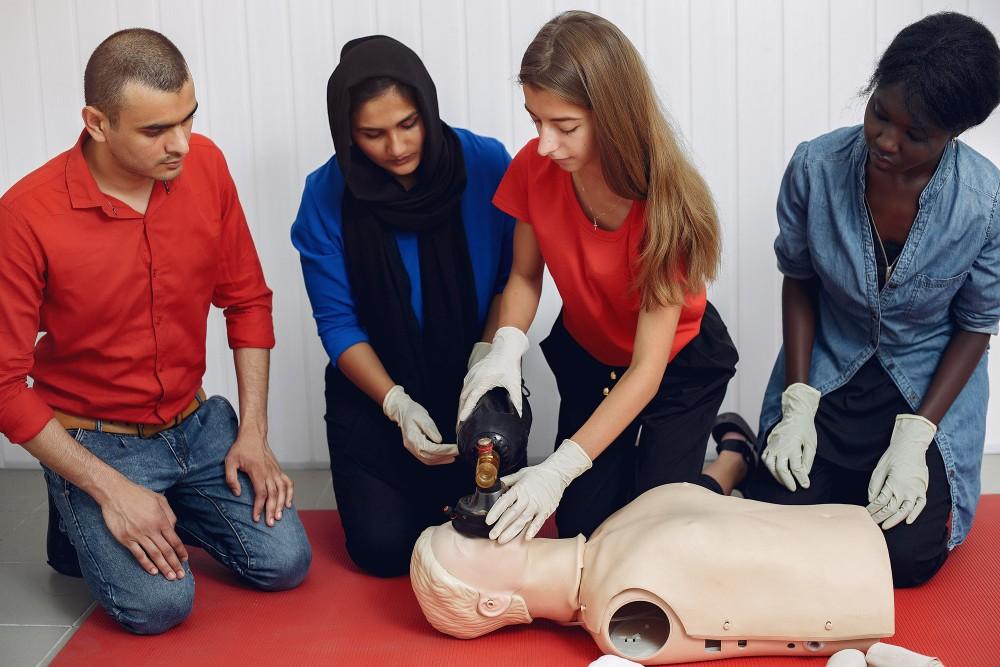 SFA Certification in Singapore: What It Covers, How Long It Lasts, and How to Renew
 Occupational First Aid Course Singapore: OFAC and Other Types
 Singapore Life Saving Society (SLSS): Every Certification Explained
 SWOLF Swimming: What It Is, Average Scores & 5 Tips To Improve
Frequently asked questions
Is It Actually Detrimental To Swim Every Single Day Of The Week?
Swimming every day can be detrimental for most people as it doesn’t allow adequate time for muscle repair, increasing the risk of shoulder injuries and burnout.
Your body needs rest to recover and get stronger, so listening to its signals is vital for sustainable progress. While elite athletes may train daily under strict supervision, incorporating at least one or two rest days is crucial for the majority of swimmers.
How Should My Swimming Frequency Change As I Get Older?
As you get older, the focus should shift more towards recovery, even if your swim frequency remains at 2-3 times per week.
It’s essential to listen to your body, as muscle and joint recovery can take longer than it used to. Prioritising rest days between swims becomes paramount to prevent injuries and maintain long-term joint health and mobility.
If I Lift Weights, How Often Should I Swim Without Hindering Muscle Recovery?
Swimming 2-3 times per week is perfectly compatible with lifting weights if you schedule it smartly. It is best to treat swimming as an active recovery session on non-lifting days or after your main workout, keeping the intensity light.
Avoid high-intensity swimming on the day after a heavy strength session, particularly for the legs, to ensure your muscles have sufficient time to repair.
Can Swimming Just Once A Week Still Offer Any Significant Health Benefits?
Yes, swimming just once a week provides significant health benefits and is infinitely better than being inactive. This frequency is excellent for maintaining cardiovascular health, improving flexibility, and serving as a fantastic stress reliever.
While you may see slower progress in technique or speed, one consistent swim per week is a brilliant foundation for overall wellness.
Should Children Swim More Or Less Frequently Than Adults To Learn Effectively?
Children typically learn to swim more effectively with more frequent but shorter lessons compared to adults. Their progress relies heavily on consistency and repetition to build muscle memory and water confidence.
Therefore, two 30-minute sessions per week are often far more productive for a child’s learning journey than one single hour-long lesson.