Starting a swim school in Singapore can be a rewarding and profitable venture, especially with the country’s strong focus on water safety and fitness. If you’re wondering how to start a swim school business, this guide will walk you through every crucial step.
From becoming a certified instructor and securing the right training to setting up your facility, handling legal requirements, and launching effective marketing campaigns, we’ve got you covered. Read on to confidently launch your swim school business today.
Certification and Training

Before opening a swim school, it’s important to have the right credentials. This section covers the qualifications you’ll need to become a trusted instructor.
Become A Certified Swimming Instructor
To legally and professionally teach swimming in Singapore, you must hold a recognised certification. One of the most credible accreditations is the National Registry of Coaches (NROC), administered by Sport Singapore.
This certification ensures that instructors meet the national standards for coaching and conduct, making it a fundamental requirement for operating a reputable swim school.
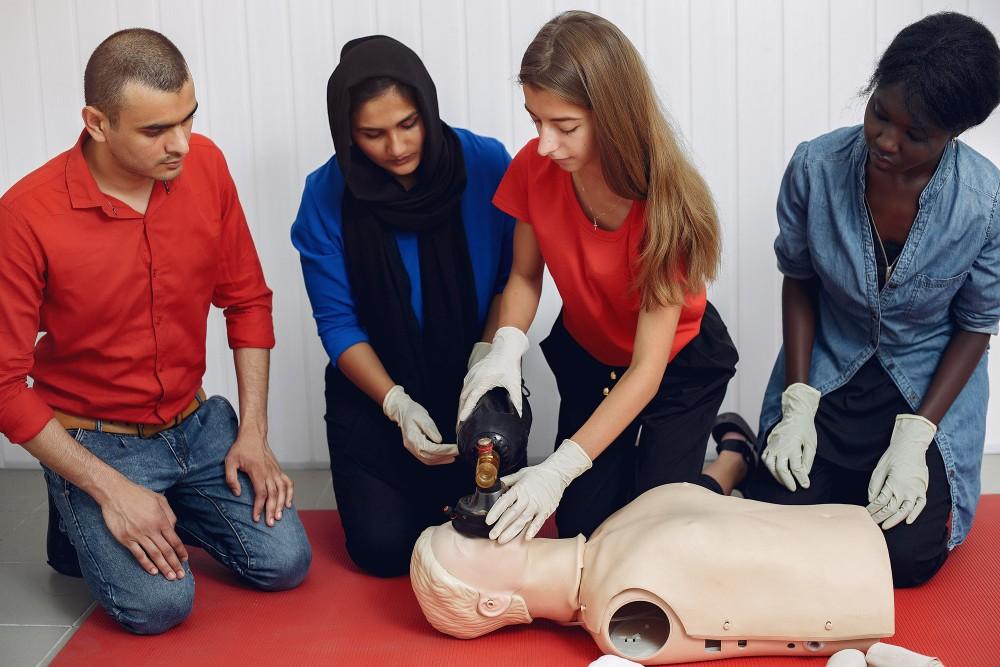
To qualify for NROC registration, you must first complete a technical coaching course, alongside basic first aid, CPR, and lifesaving certifications. These requirements not only enhance safety but also build trust with potential clients, especially parents looking for qualified instructors for their children.
For those looking for a more direct and supportive path into the profession, JustSwim Singapore offers a comprehensive swimming instructor course that can be completed in just 3 months.
This fast-track programme is perfect for aspiring instructors who want to enter the field quickly while receiving guidance from experienced and patient coaches.
With JustSwim’s industry expertise, you’ll learn everything from swim stroke techniques to how to manage learners of various ages and abilities, ideal preparation for launching your own swim school.
Consider Additional Training
Beyond the basic certifications, there are several additional courses and training programmes that can help elevate your skills and reputation.
Specialist courses in teaching infants, toddlers, or adults with aquaphobia can expand the services you offer and help you cater to niche markets. These programmes often include modules in child psychology, water confidence techniques, and adaptive teaching methods.
You may also wish to take up training in inclusive or special needs swimming, which is increasingly in demand across Singapore. These certifications not only broaden your clientele but also demonstrate your commitment to accessibility and quality education in aquatics.
Attending continuing coaching education (CCE) workshops, offered through Sport Singapore or other training providers, is another great way to stay updated on the latest teaching techniques and industry best practices.
Investing in your own development as an instructor doesn’t just boost your confidence, it helps your future students thrive in the water, and ultimately contributes to the success of your swim school.
Business Plan and Funding

A solid plan and reliable funding source are key to a successful swim school. Here’s how to lay the financial groundwork.
Develop A Comprehensive Business Plan
A well-structured business plan is more than just a formality, it’s your roadmap to launching and scaling a successful swim school. Start with a clear business overview: What type of swim school are you building? Will you focus on private lessons, group classes, or specific age groups such as toddlers, school-age children, or adults?
Next, conduct a market analysis. Research your local competition, target customer segments, and identify any service gaps in your area.
For instance, there may be a high demand for beginner adult swimming lessons or customised programmes for children with special needs. Understanding these trends will help you position your school effectively.
Include a detailed pricing strategy. Consider the costs of venue rental, coaching fees, insurance, equipment, and marketing.
Set your lesson fees accordingly, keeping in mind what your target audience is willing to pay. It’s also useful to offer flexible packages, such as term-based pricing or family bundles, to attract and retain clients.
Don’t forget to define your business goals, both short and long term. These may include targets like the number of enrolled students per quarter, plans to hire additional instructors, or opening a second location.
Outline your marketing strategy, sales forecasts, and customer retention plans. The more specific you are, the easier it will be to measure your progress and adjust as needed.
Secure Funding
Starting a swim school requires a fair amount of capital, but there are multiple funding paths available. Many new business owners begin with personal savings, especially if they are launching small-scale operations from home or condominium pools.
For larger ventures, bank loans or lines of credit may be necessary. When applying for a loan, your business plan should be well-prepared to convince lenders of your school’s profitability and growth potential.
Singapore also offers various government grants and schemes to support small businesses. Programmes such as the Enterprise Development Grant (EDG) and Startup SG Founder scheme can offer co-funding for business development, technology adoption, and branding. Eligibility criteria vary, so it’s worth exploring what suits your business structure.
If you’re seeking investors or business partners, prepare a concise pitch deck that highlights the demand for swimming lessons, your unique approach to instruction, and your financial forecasts. Show potential backers why your swim school stands out, whether it’s your flexible class formats, customised lesson plans, or certified coaches.
Remember, funding isn’t just about raising money; it’s about building the financial stability needed to offer high-quality instruction and grow your brand confidently. With the right planning and a realistic approach to budgeting, you’ll be well on your way to launching a swim school that makes a splash.
Location and Facilities

The right environment enhances the learning experience. This section helps you identify and equip the ideal space.
Choose A Suitable Location
Choosing the right location for your swim school is one of the most important decisions you’ll make. Prioritise convenience, accessibility, and safety.
Look for areas with high family foot traffic, such as residential neighbourhoods, community centres, or near schools. Locations that are well-served by public transport and have ample parking will also appeal to parents and working adults.
It’s also important to ensure the site complies with local regulations and safety standards. Check zoning laws, building permits, and pool licensing requirements to avoid potential legal issues down the line.
Partnering with existing facilities such as condominium pools, sports complexes, or private clubs can be a cost-effective option when you’re just starting out, just be sure to clarify operating agreements and usage rights.
In short, your location should not only serve your logistical needs but also make students and parents feel welcome and secure.
Consider The Size And Layout Of The Space
The layout and dimensions of your facility can significantly affect both the teaching environment and the client experience. Ideally, your pool should allow enough space to run multiple classes simultaneously without compromising safety or attention. Pools that are too narrow or shallow may restrict movement, particularly for older students or adult learners.
Plan for changing rooms, toilets, and secure storage, these are non-negotiable, especially for schools catering to children. Facilities that offer privacy, cleanliness, and family-friendly amenities are more likely to earn repeat business.
If possible, include a comfortable waiting or viewing area for parents and guardians. A shaded area with seating near the pool can improve the overall experience and encourage word-of-mouth referrals.
Additionally, think about how you’ll manage entry and exit flow, ensure safety signage is visible, and install barriers if young children are involved. A well-designed space creates an environment where both students and coaches can focus on learning.
Invest In Necessary Equipment
Equipping your swim school with the right tools ensures smooth operations and effective instruction from day one.
Your essential checklist should include kickboards, pull buoys, fins, pool noodles, and swimming aids suitable for different age groups and skill levels. These tools help students build confidence, improve technique, and progress at their own pace.
Safety equipment is equally important. Stock up on first aid kits, rescue tubes, life jackets, and pool alarms. You’ll also need signage for pool rules, emergency contact points, and depth markers. If you’re planning to operate year-round, consider investing in pool heating systems and weather protection, especially for outdoor venues.
Pool maintenance supplies like chlorine, water test kits, cleaning nets, and filtration systems are vital for hygiene and compliance. It’s best to assign regular checks and cleaning schedules to maintain water quality and ensure a safe learning environment.
Ultimately, well-chosen equipment enhances the professionalism of your swim school and provides a structured learning experience for students of all ages.
Marketing and Promotion

Attracting and retaining students starts with strong marketing. This section breaks down how to spread the word effectively.
Develop A Strong Marketing Strategy
A well-executed marketing strategy is essential to attracting students and filling your swim classes consistently. Start by identifying your target audience, in this case, parents seeking lessons for their children, adults looking to learn how to swim, or even retirees wanting to stay active.
Digital marketing is one of the most powerful tools at your disposal. Invest in a well-designed, mobile-friendly website that clearly lists your programmes, schedules, pricing, and contact information. Add testimonials and reviews from early clients to build trust.
Search Engine Optimisation (SEO) will help your site rank well when people search for phrases like “swimming lessons near me” or “kids swim school Singapore.”
Use social media platforms like Facebook, Instagram, and TikTok to showcase student progress, behind-the-scenes coaching clips, and safety tips.
Consistent content keeps your audience engaged and helps establish your school as approachable and professional. Paid advertising on Google and social media can also drive local traffic to your site and generate bookings.
Don’t overlook offline marketing. Partner with local schools, child care centres, and community clubs to offer trial classes or distribute flyers. Attend local events and sports fairs to promote your services directly. Consider referral incentives, reward current clients for recommending your school to their friends and family.
Combining online and offline channels allows you to build visibility, build credibility, and generate consistent student sign-ups.
Build A Strong Brand Identity
Your brand identity is more than just a name or logo, it’s how people perceive your swim school. Begin by choosing a memorable name that reflects your teaching values or community. Then, create a logo that feels trustworthy, family-friendly, and easy to recognise at a glance.
Consistency is key. Use the same colours, fonts, and tone of voice across all marketing materials, from your website and social media to your uniforms and signage. For example, if your school is known for its patient and child-friendly approach, reflect that warmth in your messaging and visuals.
Your brand voice should match your core values. If you focus on private lessons for faster progress, make that your unique selling point.
If safety and certified coaching are your top priorities, make that clear in your taglines and communication. Parents, in particular, want to feel assured that their children are in capable hands.
Incorporate your brand into the entire customer experience, from how inquiries are handled, to the look of your facility, to how coaches interact with students. A strong and consistent brand not only helps you stand out from competitors but also builds trust and loyalty with your audience.
Legal and Regulatory Requirements

Stay compliant and avoid legal issues by following the necessary guidelines set by Singaporean authorities.
Obtain The Necessary Permits And Licenses
Before launching your swim school, it is crucial to secure all required permits and licences to operate legally in Singapore. Start by registering your business with the Accounting and Corporate Regulatory Authority (ACRA) to ensure your swim school is officially recognised.
Next, you will need to obtain a public swimming pool licence if you are operating your own pool facility. This licence is issued by the Singapore Sports Council or the relevant municipal authority, depending on your location.
The application process requires submitting detailed information about your pool’s design, maintenance schedules, and safety features.
In addition, if your swim school plans to offer lessons to children, check with the Early Childhood Development Agency (ECDA) for any additional childcare-related permits that may apply. It’s wise to consult local authorities early on to clarify all licensing requirements and avoid delays.
Proper documentation demonstrates your commitment to safety and professionalism, which reassures parents and helps build trust in your swim school.
Comply With Safety Regulations
Safety is paramount when running a swim school, and Singapore has clear regulations to ensure students and staff are protected. The Singapore Civil Defence Force (SCDF) and the Public Utilities Board (PUB) provide guidelines on pool safety standards, including water quality, hygiene, and emergency equipment.
Your pool must have clear signage showing depth, rules, and emergency exits. Maintain regular water quality tests and ensure adequate filtration systems to prevent infections and accidents.
Emergency protocols must be in place, including easily accessible life-saving equipment such as rescue tubes, first aid kits, and Automated External Defibrillators (AEDs).
Instructor-to-student ratios are regulated to guarantee each student receives sufficient supervision. For example, a typical ratio is one instructor to no more than six students, but this can vary based on the students’ age and skill levels.
It is also essential for instructors to have valid lifeguard certification and CPR training to respond quickly in emergencies.
Regular safety audits and staff training sessions are recommended to maintain compliance and continually improve your school’s safety standards. Prioritising safety not only fulfils legal obligations but also reassures parents that their children are in good hands.
Continuous Improvement

Long-term success depends on ongoing growth. This section highlights how to evolve and improve your swim school.
Stay Updated On The Latest Teaching Methods And Techniques
Keeping your teaching methods current is essential to providing top-quality swimming instruction. Swimming techniques and coaching philosophies evolve over time, so regularly updating your curriculum ensures your students benefit from the best practices.
Engage in professional development by attending workshops, seminars, and courses offered by recognised swimming organisations like the National Registry of Coaches (NROC) or international bodies such as the American Swimming Coaches Association (ASCA). These programmes introduce new drills, safety protocols, and innovative ways to teach different skill levels.
Incorporate modern teaching tools, such as underwater video analysis and swim apps, which can help students visually understand and improve their strokes. Additionally, ensure that all your instructors renew their certifications, including CPR and lifeguard training, to stay compliant and prepared.
Seek Feedback From Students And Parents
Listening to your students and their parents is invaluable for continuous improvement. Implement structured feedback channels such as post-class surveys, suggestion boxes, or online reviews to gather honest opinions about your programmes and coaching style.
Encourage open communication by regularly checking in with parents and learners during lessons. This helps identify any concerns early, such as difficulties with the curriculum, scheduling conflicts, or coaching preferences. Use this information to adjust lesson plans, class sizes, or even your customer service approach.
Positive feedback also highlights what you’re doing well, allowing you to reinforce those strengths in your swim school’s culture. When clients feel heard and see improvements based on their input, their satisfaction and loyalty grow, driving word-of-mouth referrals.
Consistent feedback loops enable you to refine your services and adapt to changing needs, securing your swim school’s reputation for excellence.
Conclusion About Starting A Swim School Business In Singapore
Starting a swim school business in Singapore is more than just securing a pool, it’s about combining the right qualifications, strategic planning, and genuine passion for teaching. With a clear plan and commitment to continuous improvement, you can build a swim school that’s both impactful and financially sustainable.
If you’re feeling inspired to explore swimming more deeply, for yourself or your children, why not begin with our swimming lessons for kids and adults.
Established in 2020 during the height of the pandemic, JustSwim was founded by a team of dedicated coaches from diverse swimming backgrounds, including competitive swimmers, triathletes, and lifesavers.
We specialise in private swimming lessons, tailored to small groups to ensure focus and faster progression. Our patient and experienced coaches are passionate about helping you or your child master swimming with confidence.
At JustSwim Singapore, we believe in making swimming fun, safe, and effective. Our unique teaching approach and customised lesson plans mean that every swimmer, from infants to retirees, gets exactly the support they need.
Ready to take the plunge? Join JustSwim Singapore and experience swimming lessons that truly make a difference.
Frequently Asked Questions About Starting A Swim School Business In Singapore
How much does it cost to start a swim school in Singapore?
The startup cost of a swim school in Singapore can vary depending on your business model. On average, you can expect to spend between SGD 10,000 to SGD 50,000, covering essentials such as instructor certification, pool rental or construction, swimming equipment, marketing, insurance, and business registration.
Can I run a swim school from my condominium pool or home pool?
Yes, it is possible to operate a swim school from a condominium or home pool, but you must first obtain permission from your condominium’s management committee (MCST) or relevant local authorities.
You’ll also need to ensure that safety measures are in place and that your setup complies with Singapore’s legal and insurance requirements. It’s a cost-effective option for small, private classes but may limit your capacity to scale operations.
Do I need to register my swim school as a business with ACRA?
Yes, registering your swim school with the Accounting and Corporate Regulatory Authority (ACRA) is mandatory in Singapore.
This formalises your business as a legal entity and allows you to open business bank accounts, hire staff, and issue invoices. Whether you operate as a sole proprietorship, partnership, or private limited company, ACRA registration ensures that your operations are above board and protected under Singapore law.
What insurance do I need for operating a swim school?
At a minimum, you will need public liability insurance to protect against claims resulting from accidents or injuries during swimming lessons. If you have employees, work injury compensation insurance is also required under Singapore law.
You may also consider equipment insurance and professional indemnity insurance to cover any damages or disputes related to instruction or service delivery.
Do I need a lifeguard on duty during every lesson?
If your swim school operates in a public facility, having a certified lifeguard on duty is often required by the venue and is considered best practice.
For private lessons in smaller or home-based settings, the swim instructor must be certified in lifesaving, CPR, and first aid. While not all settings legally require a separate lifeguard, prioritising safety is essential and adds credibility to your swim school.