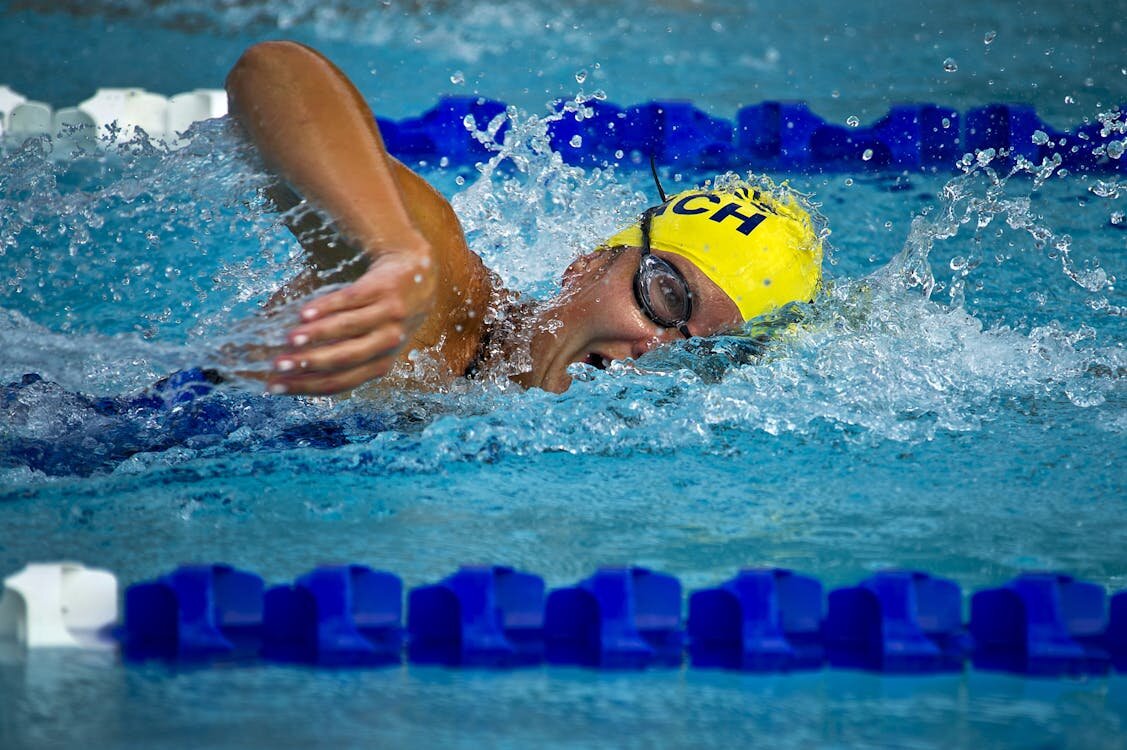
Many beginners assume swimming injuries only affect elite athletes until a stiff, painful shoulder suddenly ruins their evening laps. A novice swimmer often ignores these early twinges for weeks, mistaking the sharp aches for normal soreness from a fresh exercise routine.
This constant discomfort eventually forces enthusiastic learners to abandon their fitness goals and stay out of the pool entirely. You can easily avoid this frustrating cycle by identifying the root causes of joint and muscle strain early on.
This guide breaks down the seven most frequent physical problems new swimmers face. You will discover simple, practical techniques to correct your form and keep your pool sessions completely pain-free.
1. Swimmer’s Shoulder (Rotator Cuff Pain)
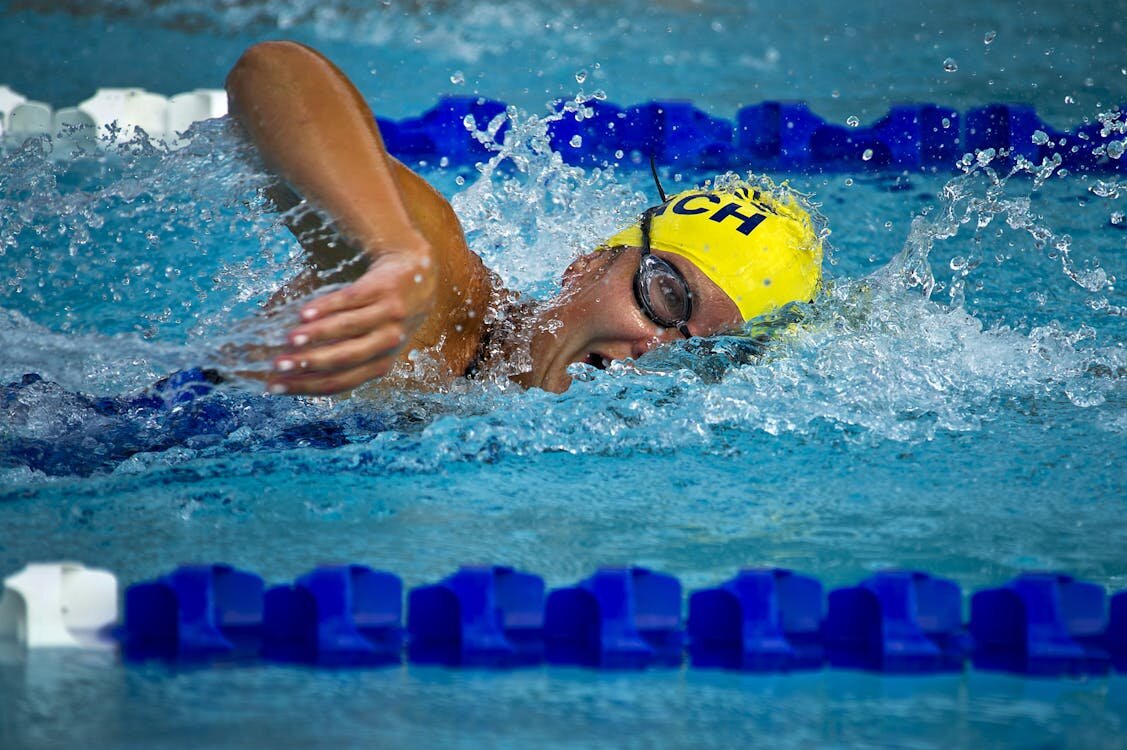
By far the most frequent complaint among regular pool-goers is a pinching, tired feeling in the shoulder. This happens because the front crawl swimming technique requires constant, repetitive overhead reaching. Over time, this repetitive motion tires out the rotator cuff muscles, leading to dull aches and sharp pains when lifting your arms.
2. Breaststroke Knee (Inner Knee Ache)
The breaststroke is a favourite for many beginners, but the whip kick involved places an unnatural outward strain on the knees. If your technique is slightly off, this awkward angle puts significant pressure on the inner knee ligaments, causing a nagging ache that makes kicking uncomfortable.
3. Swimmer’s Neck (Neck Strain And Stiffness)
Do you often leave the pool with a stiff neck? Swimmer’s neck usually occurs when you turn your head too far to take a breath during freestyle, or if you strain to keep your head completely above the water while swimming breaststroke. This awkward positioning quickly fatigues the neck muscles.
4. Lower Back Pain (The Butterfly And Breaststroke Arch)
Beginners often arch their lower back excessively to keep their face clear of the water. While this is a frequent issue in breaststroke and butterfly, doing so forces the lower spine into a compressed position. The result is a persistent soreness in the lower back the day after a swim.
5. Foot And Calf Cramps
Experiencing a sudden, sharp pain in your foot or calf mid-lap is one of the more frightening common injuries in swimming. Pointing your toes too hard for long periods, combined with slight dehydration in warm weather, often triggers these intense muscle spasms.
6. Swimmer’s Ear (Outer Ear Infection)
Not all issues in the water are muscle-related. Swimmer’s ear happens when pool water becomes trapped in the ear canal, creating a moist environment where bacteria can thrive. It leads to itchiness, swelling, and a painful throbbing sensation that can keep you out of the water for days.
7. Eye Irritation And Chemical Sensitivities
While public pools are kept clean with chlorine, these chemicals can be harsh on the eyes. Prolonged exposure without proper protection leads to stinging, redness, and blurred vision, which can easily ruin a good workout.
Why Do Swimming Injuries Happen?
Poor Stroke Technique
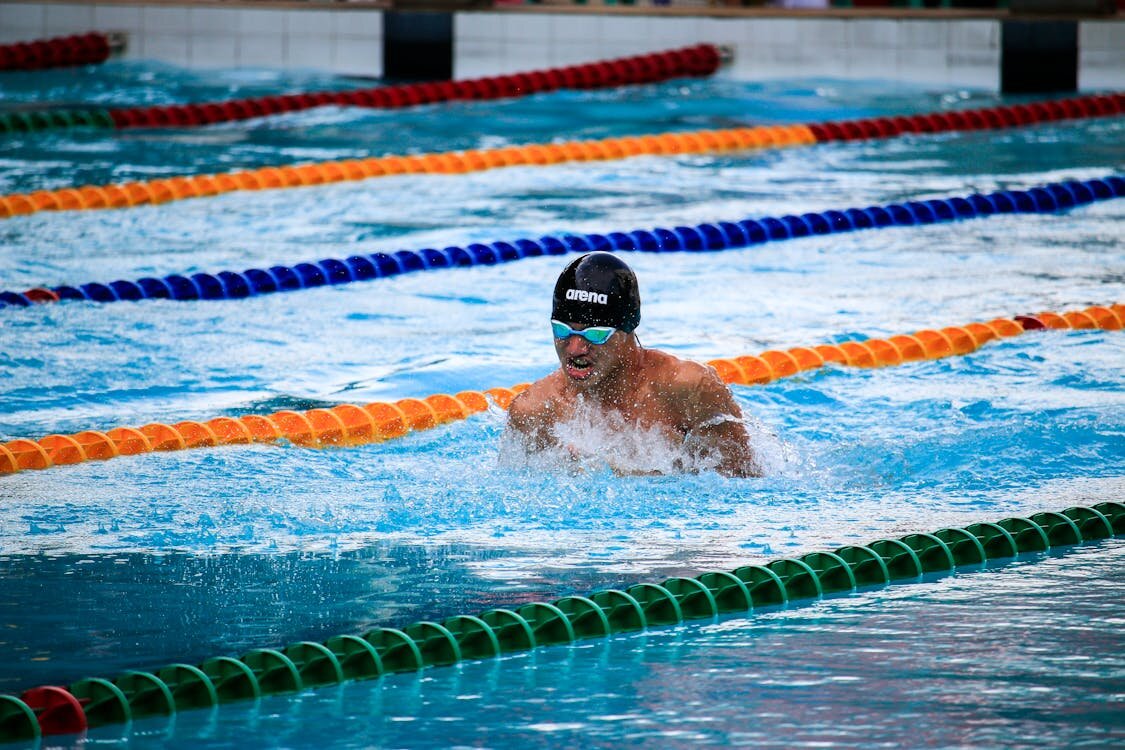
For those just learning the ropes, it is easy to fight the water rather than gliding through it. Slapping the water, dragging your legs, or breathing at the wrong time forces your muscles to work much harder than necessary. This poor technique is a primary driver of joint and muscle strain.
Overtraining And Skipping Rest Days
Pushing yourself too hard, too quickly is a common mistake. If you swim every single day without allowing your body time to recover, your muscles become fatigued. Tired muscles lead to sloppy form, which significantly increases your risk of developing overuse issues.
Quick First Aid: What To Do When Discomfort Strikes
Even with the best intentions, accidents happen. Here is some practical advice on how to handle sudden pain immediately at the poolside.
Managing Sudden Muscle Cramps In The Water
If a cramp hits you in the deep end, try not to panic. You should flip onto your back and float to keep your airway clear. You can gently stretch the cramped muscle once you are stable, for a calf cramp, simply pull your toes toward your shin. Slowly make your way to the edge and exit the pool safely to rest.
The Rest And Ice Approach For Sore Joints
For a sore shoulder or a throbbing knee, the best immediate response after leaving the pool is rest and ice. You can apply an ice pack wrapped in a towel to the affected area for 15 to 20 minutes to minimise swelling and provide immediate relief from aches.
How To Prevent These Common Issues
You do not need to be a professional athlete to protect your body. Incorporating a few simple habits into your routine can help you avoid pain entirely.
Warm Up Properly Before Every Swim
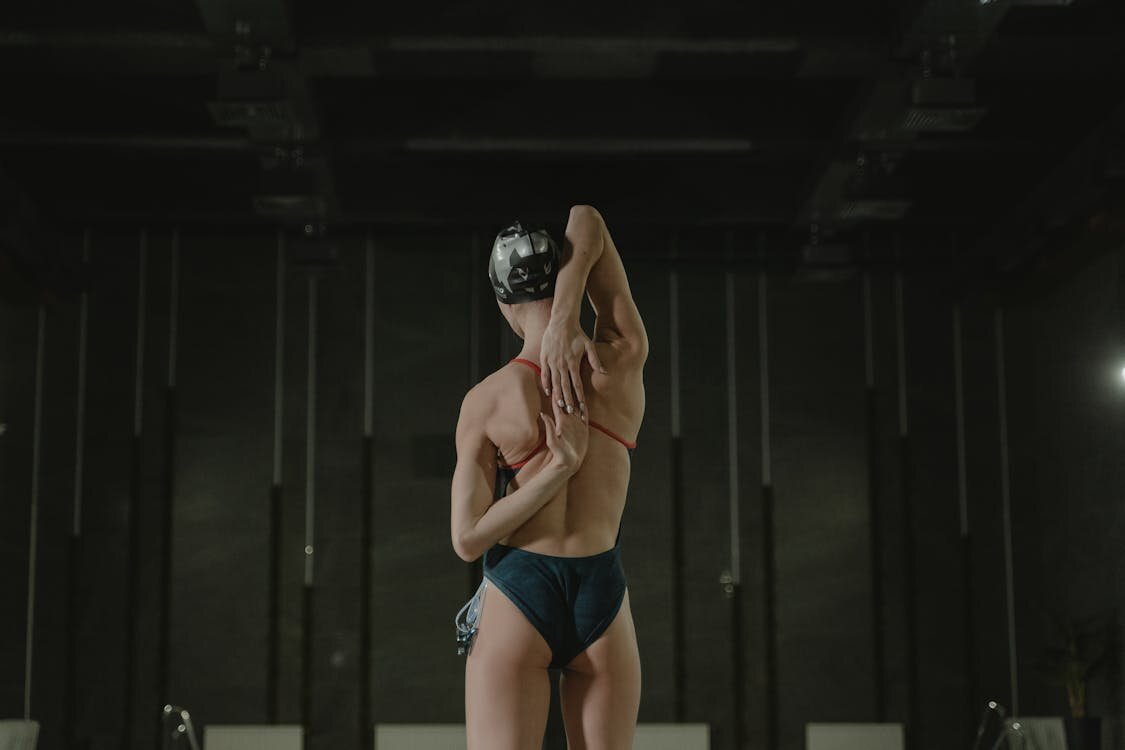
Jumping straight into cold water with tight muscles is a recipe for trouble. An effective routine demonstrating how to warm up before swimming typically includes five minutes of light, dynamic stretching on the pool deck. Arm circles, torso twists, and gentle leg swings will loosen your joints and prepare your body for the workout ahead.
Mix Up Your Swimming Strokes
Sticking to just one stroke for an entire hour places continuous stress on the exact same muscles. Alternating between different types of swimming strokes, such as the front crawl, backstroke, and breaststroke, gives overused muscles a break and ensures a more balanced, full-body workout.
Build Strength With Dryland Exercises
You can improve your form without even getting wet. Simple out-of-water exercises, such as planks for your core and squats for your legs, build the foundational strength needed to maintain good posture in the water, thereby reducing the strain on your shoulders and back.
Invest In The Right Swimming Gear
The right equipment and proper swimming attire make a massive difference. A pair of clear, well-fitting goggles prevents you from lifting your head too high to see, saving your neck from strain. You can also use a pull buoy between your legs to rest tired leg muscles while you focus entirely on your arm technique.
Conclusion About Swimming Injuries
Proper technique and a solid warm-up routine protect your body from the most frequent pool-related strains. A pain-free swim leaves you feeling refreshed rather than sidelined with sore shoulders and stiff knees. Your physical wellbeing dictates how much joy you get from your time in the water.
JustSwim Singapore provides clear guidance and private swimming lessons to correct your technique and prevent painful overuse issues. Experienced, certified coaches support adult swimmers and children taking kids swimming lessons through any discomfort caused by improper form. A quick conversation with these professionals makes all the difference to your progress.
Contact us today to book a customised swimming lesson for a safe, pain-free experience!
More from the blog
- Swim schools we admire around the world
 SFA Certification in Singapore: What It Covers, How Long It Lasts, and How to Renew
 Occupational First Aid Course Singapore: OFAC and Other Types
 Singapore Life Saving Society (SLSS): Every Certification Explained
 SWOLF Swimming: What It Is, Average Scores & 5 Tips To Improve
Frequently asked questions
What Is The Most Common Swimming Injury?
Swimmer’s shoulder easily ranks as the most frequent issue due to the repetitive overhead motions used in strokes like the front crawl. You can prevent this discomfort by focusing on proper form and rotating your body instead of just relying on your arms.
How Do I Stop My Shoulders Hurting After Swimming?
You must correct your stroke technique and ensure your arms are not crossing over your body’s centre line to stop shoulder pain. Incorporating dryland shoulder-strengthening exercises into your routine also helps build resilience against muscle fatigue.
Can Swimming Cause Lower Back Pain?
Yes, swimming strokes that require a significant lower back arch, such as the butterfly and breaststroke, frequently cause soreness. Keeping your head lower in the water and engaging your core actively relieves this unnecessary spinal pressure.
Is It Safe To Swim With A Minor Muscle Strain?
You should generally rest and avoid the pool if you have a muscle strain to prevent making the tear worse. Waiting until you have a full, pain-free range of motion on land ensures a safe return to the water.
How Long Does It Take To Recover From A Swimming Injury?
Minor muscle strains usually heal within a few days of strict rest and ice, while more severe joint issues can take several weeks. You should always consult a physiotherapist if the pain persists for more than a few days to ensure proper healing.