Water is approximately 800 times denser than the air we breathe. Moving through a pool requires pushing against a constant wall of physical resistance.
Because of this, many swimmers step out of the water feeling completely drained and ready for a long nap. This sudden wave of heavy fatigue often ruins daily productivity and leaves people feeling frustrated.
It is totally normal to wonder, “Why does swimming make you sleepy?” compared to a standard run or gym session. Finding the solution requires looking closely at how the aquatic environment uniquely impacts the human body without giving away all the answers just yet.
The following guide breaks down the hidden physical and mental factors behind this heavy exhaustion. It also provides practical tips to keep energy levels high long after drying off.
The Main Reasons Why Swimming Makes You Sleepy

1. Water Resistance Demands Extra Muscle Power
Water resistance forces every muscle to work harder than in normal land exercises. This full-body engagement quickly depletes stored energy, leading to exhaustion.
2. Cold Water Drops Your Core Temperature
Chilly pool water constantly pulls heat away from the skin. The body expends massive amounts of energy just to stay warm.
3. Warm Water Induces Deep Relaxation
Heated pools soothe tense muscles and calm the nervous system. This comfortable environment mimics the physical conditions right before bedtime.
4. Heavy Breathing Alters Oxygen Levels
Executing proper breathing techniques requires controlled exhalations and quick inhalations. This regulated breathing rhythm naturally slows the heart rate down.
5. Cardiovascular Exertion Tires The Heart
Pushing through laps elevates the heart rate significantly for extended periods. The cardiovascular system requires ample rest to recover from this intense aerobic demand.
6. Sun Exposure Drains Energy Reserves
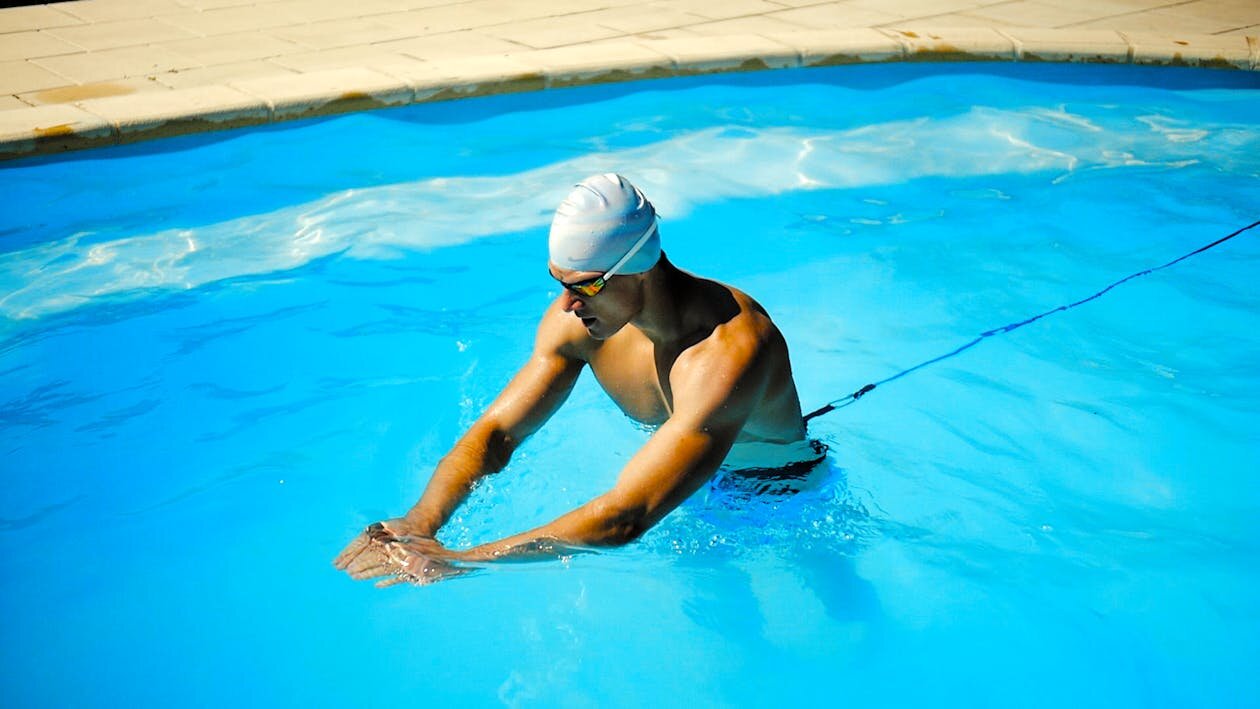
Outdoor swimming exposes the body to direct sunlight and intense heat. Sun exposure raises the body’s internal temperature and accelerates fatigue.
7. Dehydration Sneaks Up On Swimmers
People rarely notice themselves sweating while submerged in water. This hidden fluid loss directly contributes to feeling sleepy after swimming.
8. Calorie Burn Is Exceptionally High
The combination of constant movement and temperature regulation burns calories at a rapid pace. A sudden calorie deficit leaves the body craving immediate rest.
9. Melatonin Production Might Increase
Physical exhaustion from water sports often triggers the release of sleep hormones. This natural chemical response directly answers does swimming make you sleepy.
10. Repetitive Motions Create A Hypnotic Effect
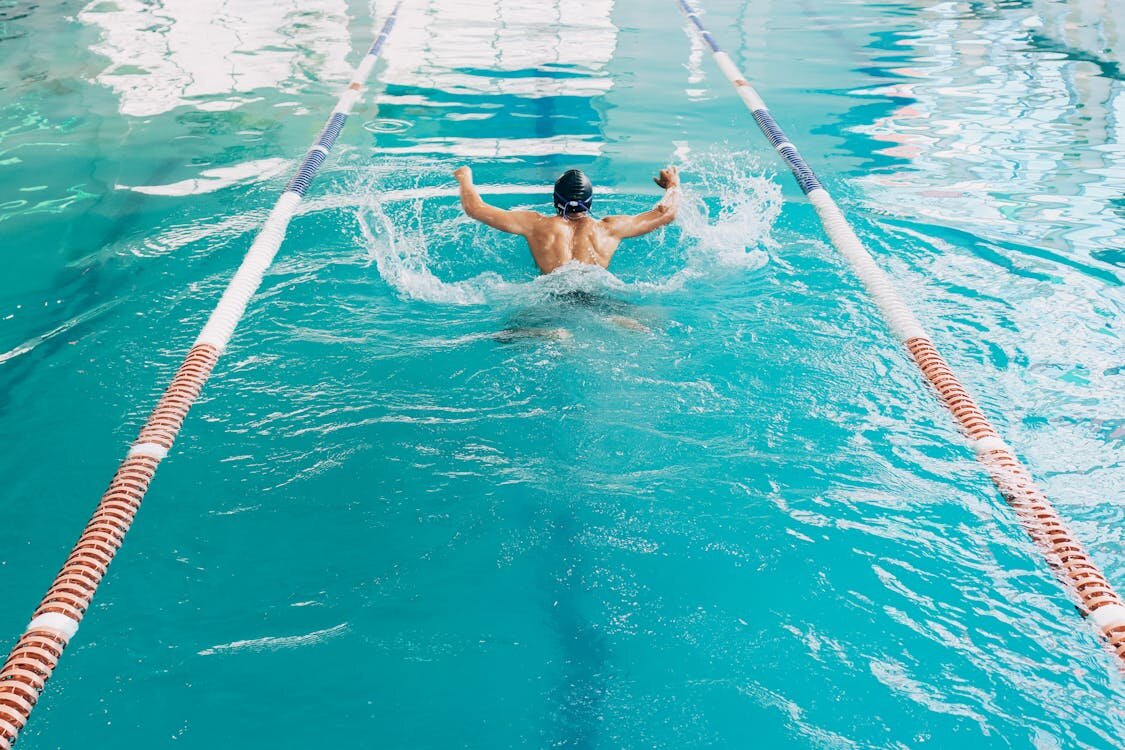
Swimming laps involves doing the exact same strokes over and over again. This rhythmic repetition lulls the brain into a state of deep relaxation.
11. Proper Technique Requires Intense Focus
Maintaining proper bilateral breathing while swimming demands constant mental concentration. Mental fatigue often manifests as physical tiredness once the session ends.
12. Lactic Acid Builds Up In Muscles
Continuous movement causes lactic acid to accumulate in the muscle tissues. This chemical buildup results in heavy limbs and an overwhelming desire to rest. Using proper kicking techniques while swimming helps manage this physical strain.
13. Digestion Slows Down During Exercise
Blood flow moves away from the stomach to support the working muscles. The body feels noticeably sluggish once normal digestion resumes after the workout.
14. Sensory Deprivation Calms The Mind
Submerging the head underwater blocks out loud noises and visual distractions. This sensory shift drastically lowers stress levels and promotes sleepiness.
15. Buoyancy Removes Joint Pressure
Floating in water temporarily relieves gravity’s constant pull on the skeleton. The sudden return of gravity upon exiting the pool makes the body feel incredibly heavy.
8 Tips To Prevent Feeling Sleepy After Swimming

Applying the right recovery strategies keeps energy levels high after leaving the pool.
Drink Plenty Of Water Before And After
Hydration prevents the severe fatigue associated with hidden sweat loss. Swimmers must consume water consistently throughout their session.
Consume A Balanced Post-Swim Snack
Eating carbohydrates and proteins within thirty minutes replenishes depleted glycogen stores. A quick snack prevents the dreaded energy crash.
Perform A Proper Warm-Up Routine
Warming up before swimming prepares the muscles for sudden exertion. Gentle stretches reduce the overall shock to the system.
Take A Cool Shower Immediately
Rinsing off in cool water lowers the core body temperature safely. This temperature shift wakes up the nervous system instantly.
Limit Sun Exposure During Outdoor Swims
Wearing a rash guard or staying in shaded areas reduces direct heat absorption. Swimmers retain much more energy when protected from harsh UV rays.
Gradually Decrease Workout Intensity
Ending the session with a slow cooldown lap allows the heart rate to drop safely. Sudden stops in physical activity often trigger extreme drowsiness.
Pack The Right Gear
Bringing items from a comprehensive swimming equipment list ensures a smooth and efficient workout. Proper gear reduces unnecessary physical strain in the water.
Practice Consistent Breathing Patterns
Regulating oxygen intake prevents sudden spikes in blood pressure. Steady breathing keeps the brain alert and prevents post-workout grogginess. Reviewing general swimming safety precautions ensures a safe environment that minimises physical stress.
Conclusion About Reasons Why Sleeping Makes You Sleepy
Managing fatigue requires proper hydration, adequate nutrition, and a solid grasp of water temperature effects. Implementing these recovery strategies completely transforms the post-workout experience.
JustSwim Singapore provides customised private swimming lessons tailored for all ages, featuring certified coaches with NROC, Swimsafer, ASCTA, SSI, and ASCA credentials. The experienced team develops unique lesson plans for both kids swimming lessons and adult swimming lessons to ensure effective progression in a safe and enjoyable environment.
Contact us today to start a fulfilling aquatic journey!
Frequently Asked Questions About Reasons Why Sleeping Makes You Sleepy
Does Swimming Make You Sleepier Than Running?
Swimming often causes more fatigue because the body must simultaneously exercise muscles and regulate core temperature. The added water resistance forces a higher caloric burn compared to running at a similar pace.
How Long Does The Tiredness Last After Swimming?
Most individuals experience sleepiness for two to four hours following a strenuous pool session. Proper hydration and a quick snack usually shorten this recovery window significantly.
Is It Normal To Feel Sleepy After Swimming In Cold Water?
Yes, cold water drains energy quickly as the body works overtime to generate internal heat. This rapid heat loss is a primary reason why swimmers feel completely exhausted later.
Can Beginners Avoid Feeling Sleepy After Swimming?
Beginners can minimise fatigue by keeping initial sessions short and focusing on proper breathing techniques. Building stamina gradually prevents the body from experiencing sudden energy crashes.
Does Swimming In The Morning Ruin Energy Levels For The Day?
A morning session actually boosts daytime alertness if followed by a nutritious breakfast and proper hydration. Skipping post-workout recovery steps is the main cause of lingering sluggishness.
Why Do Toddlers Always Sleep After Swimming Lessons?
Young children expend massive amounts of physical and mental energy processing the sensory stimulation of a pool. The combination of water resistance and concentrated learning quickly empties their small energy reserves.