A runner would never train on a track without knowing its exact distance. Yet, many new swimmers step onto the pool deck ready to train, only to find themselves completely baffled by the local pool lingo. This confusion over basic metrics often leads to miscalculated workout distances and severe frustration in the water.
Before anyone can accurately calculate what a good swimming pace is, swimmers must first master the fundamental difference between common pool measurements. A clear explanation of the swimming lap vs length debate immediately solves this tracking issue. Athletes who grasp this concept can finally record their times accurately and set realistic fitness goals.
This guide breaks down the exact definitions of these core terms to clear up any lingering confusion. Readers will discover how different pool sizes affect the maths and see exactly how modern smartwatches interpret these distances. These simple facts guarantee a smoother and more effective aquatic workout.
What Is The Difference Between Swimming Lap And Length?
1. The Basic Definition Of Each Term
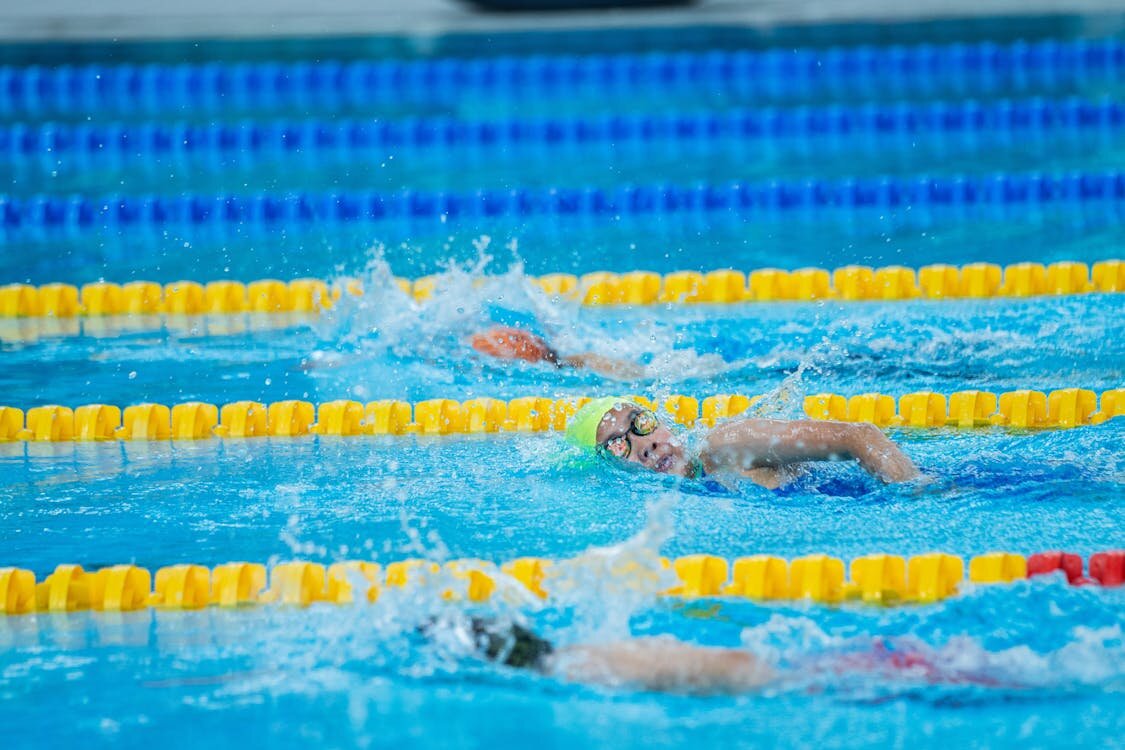
The main difference between a swimming lap and a length simply comes down to a round trip versus a one-way trip. A length is swimming from one wall of the pool to the opposite wall. A lap involves swimming to the opposite end and returning to your starting point.
2. The Influence Of Running Track Rules
Running tracks heavily influence how people define a lap. Runners complete a lap when they circle the track and return to their exact starting block. Swimmers apply this exact same logic to the pool, making a lap a complete round trip to the starting wall.
3. How Pool Size Changes The Distance
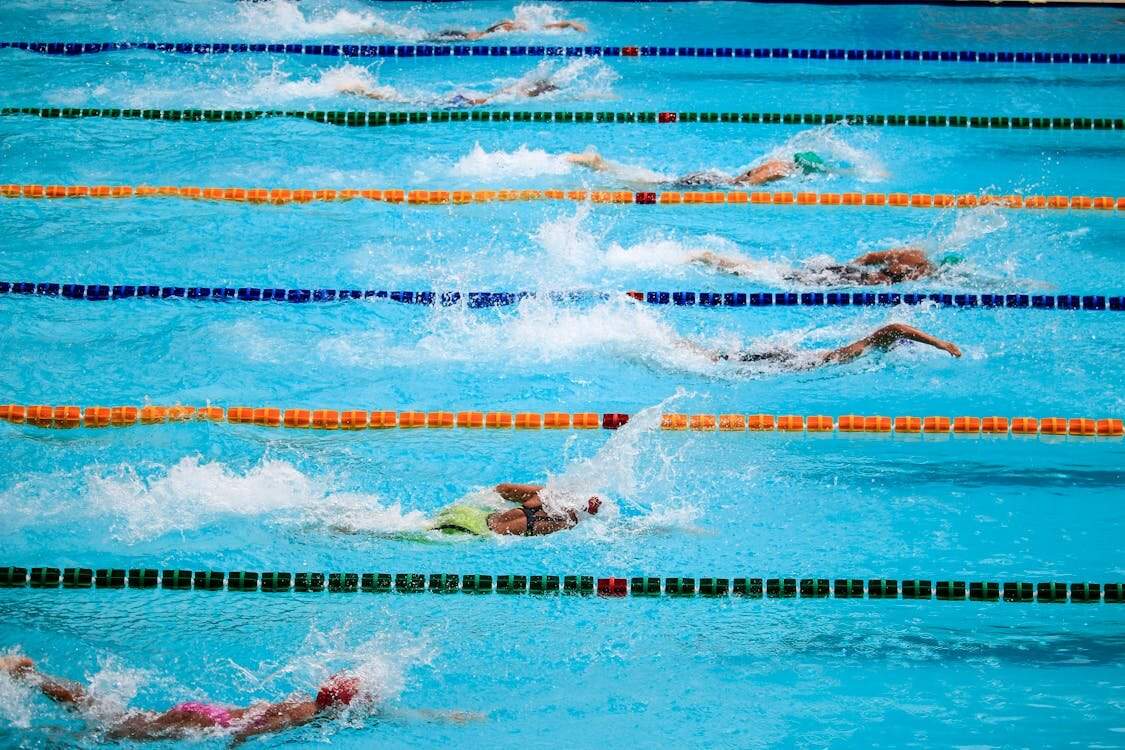
Pool size drastically changes the total distance covered during a session. A standard Olympic pool measures 50 metres, meaning one length equals 50 metres and one lap equals 100 metres. Short course pools measure 25 metres, so a length is 25 metres and a full lap totals 50 metres.
4. The Way Smartwatches Track Your Swim
Smartwatches track your swim based on their internal programming and your manual settings. Most modern fitness trackers ask users to input the pool size before beginning the workout. These devices usually count lengths rather than laps, logging each push off the wall as a completed segment.
5. How Coaches Use The Terms In Training
Coaches use these terms to structure workouts and communicate specific sets. Instructors might ask for four lengths during a warm-up to ensure continuous movement across the pool. Clear communication prevents confusion and keeps the training session flowing smoothly.
7 Simple Ways To Track Your Swimming Distance
1. Using A Smartwatch Or Fitness Tracker
A smartwatch or fitness tracker tracks swimming distance by automatically detecting turns to calculate the total metres. These waterproof gadgets use built-in sensors to monitor arm movements and changes in acceleration. Swimmers simply need to push off the wall strongly to ensure the watch logs the data correctly.
2. Wearing A Manual Lap Counter
A manual lap counter helps track distance by providing a physical button to press every time a wall is reached. These small devices fit securely onto a finger. Athletes tap the button during their turn to keep a reliable tally without relying on memory.
3. Following The Pool Floor Lines
Painted pool floor lines track distance visually by alerting the swimmer that the wall is near. These dark lines end in a “T” shape roughly two metres before the concrete edge. Spotting this shape allows the swimmer to initiate a turn safely without stopping.
4. Watching The Coloured Lane Ropes
Coloured lane ropes indicate distance by providing a clear visual warning that the wall is approaching. Facilities change the buoy colours at the five-metre mark. This visual shift allows swimmers to maintain their speed while preparing for a smooth turn.
5. Counting In Your Head
Mental counting requires assigning a specific number to each wall touch to track distance manually. Swimmers can link the numbers to their breathing rhythm to stay focused. This method works well for shorter sessions but can become difficult during long endurance workouts.
6. Breaking The Swim Into Smaller Sets
Smaller sets help track distance by preventing the brain from losing count of high numbers. Instead of aiming for forty lengths continuously, athletes can swim four sets of ten. Taking a short rest between blocks makes the maths much easier to manage.
7. Using Phone Apps
Phone apps track swimming distance by allowing athletes to manually type their numbers immediately after exiting the water. Typing the numbers into a digital journal creates a long-term record of fitness progress. These apps often generate charts to show improvements over weeks or months.
Conclusion About The Difference Between Lap And Length
Mastering the terminology ensures accurate tracking and better communication on the pool deck. Swimmers who understand these basic concepts experience smoother workouts and faster progress in the water.
JustSwim Singapore provides the perfect environment for mastering these skills through private lessons with NROC, ASCTA, and SSI certified coaches. Dedicated instructors customise lesson plans for all ages to ensure students pick up the right techniques safely and effectively.
Contact us today to book your private swimming lessons and improve your skills in the water!
Frequently Asked Questions About The Difference Between Lap And Length
Which Term Should You Use To Log Workouts?
Swimmers should use “lengths” or total metres to log workouts to guarantee absolute accuracy. Recording a swim as “one thousand metres” eliminates all guesswork. This precise habit resolves the what is the difference between swimming lap and length debate entirely.
Is A Lap One Or Two Lengths In A Pool?
A lap consists of two lengths, meaning you swim to the opposite end and return to your starting point. A length is simply swimming from one wall directly to the other wall.
How Many Laps Is A Mile In A Standard Pool?
Swimming a mile requires roughly 64 lengths or 32 full laps in a standard 25-metre pool. You will need to swim fewer laps in a 50-metre Olympic pool to reach the exact same distance.
Does The Apple Watch Count Laps Or Lengths?
Most smartwatches track lengths rather than full laps during a swimming workout. The device detects when you push off the wall and records that single crossing as one complete unit.
What Is The Standard Length Of A Swimming Pool?
A standard short course pool measures exactly 25 metres from end to end. An Olympic-sized long course pool stretches to 50 metres across.
How Do Swimming Coaches Define A Lap?
Most competitive swimming coaches define a lap as a complete round trip that ends at the original starting wall. Instructors always clarify their terms before a set to ensure everyone swims the correct distance.
Why Do Swimmers Confuse Laps And Lengths?
Swimmers often confuse these terms because everyday language sometimes uses them interchangeably despite their distinct technical meanings. The confusion also stems from comparing straight pool swimming to running continuously on a circular track.
Why Pool Dimensions Matter For Your Workout?
Pool dimensions dictate the frequency of turns and the rhythm of the swim. Shorter pools require more flip turns, which give swimmers brief moments of glide and rest. Longer pools demand sustained endurance since the swimmer must paddle further before reaching a wall.